
Lieferung heute & morgen

Qualitätsgarantie

Willkommens-Angebote freischalten: KOSTENLOSE Lieferung | Bis zu 80 % RABATT | Kostenlose 30-Tage-JoyPlus-Testphase
App herunterladen
A faulty or slow charging cable is more than just an annoyance—it can severely disrupt your daily routine. Yet, buying a replacement is often more complicated than it seems. The market is flooded with options promising high speeds and durability. In practice, however, many of these products turn out to be a poor investment. Before you purchase a new USB-C charging cable, you should be aware of the most common pitfalls that lead to a waste of time and money.
Common Pitfalls When Buying Cables:
As your Joybuy Product Recommendation Officer, I'm here to help you navigate these issues and make an informed decision.
To find a reliable and durable cable, you should check three core technical parameters. These features are crucial for performance and safety, regardless of marketing promises.
The wattage rating (e.g., 30W, 60W, 100W) indicates the maximum charging power. A fast-charging cable for a modern laptop requires at least 60W, and often up to 100W. For a smartphone, 20-30W is usually sufficient.
However, it's not just the wattage that matters, but also support for modern charging protocols:
The durability of a cable is directly linked to the materials used.
Not every cable is suitable for every device or application.
Based on these objective criteria, we have identified products that are suited for specific requirements and user groups.
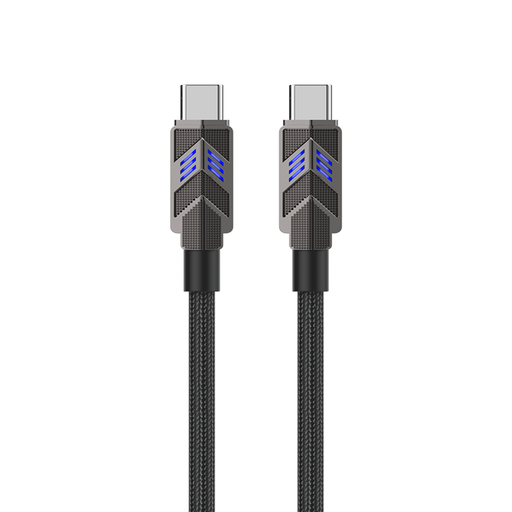
Why this product is a great fit: Ideal for users with power-hungry devices like laptops, tablets, or high-end smartphones who need maximum charging speed without compromise.
This cable avoids the trap of misleading power claims by not only supporting 100W but also featuring a smart chip that monitors the charging process and switches to a trickle charge mode when the battery is full. This protects the battery.
The combination of 100W power, a robust nylon braiding, and zinc alloy connectors ensures high performance and durability. The colour-changing LED provides visual feedback on the charging status.
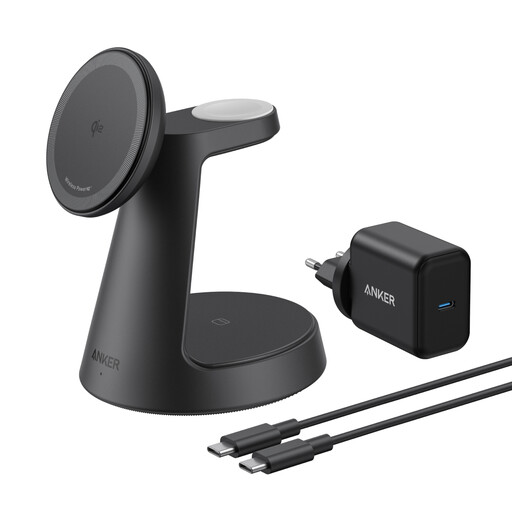
Why this product is a great fit: Perfect for users who own an iPhone, Apple Watch, and AirPods. This station tidies up your desk or nightstand and charges all devices centrally in one place.
This solution avoids the need to buy multiple separate, potentially subpar cables and power adapters. It offers certified fast charging for the Apple Watch and MagSafe-compatible charging for the iPhone, eliminating compatibility issues.
The station combines a 3-in-1 charging station with MagSafe compatibility and an adjustable viewing angle. The 40W USB-C power adapter and matching cable are already included.
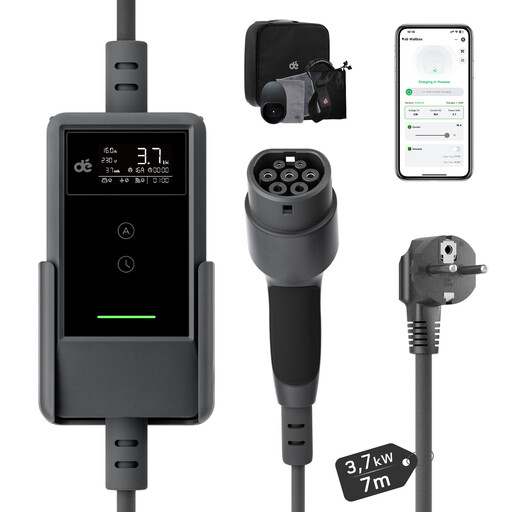
Why this product is a great fit: For drivers of electric cars or plug-in hybrids who need a flexible and hassle-free charging solution for home or on the go, without being dependent on a fixed wallbox.
This charger provides a safe and compliant alternative to unsafe or incompatible charging solutions. It allows charging from any standard household socket (Schuko) and is compatible with all common EVs with a Type 2 connector.
The plug-and-play functionality eliminates the need for a complex installation. The charging power (6-16A) can be adjusted via the app or directly on the device to avoid overloading the household circuit. The 7-metre cable offers maximum flexibility.
We have compiled a complete, up-to-date list of products that fully meet these strict selection criteria and UK safety regulations.
1. How can I identify a good USB-C fast-charging cable? Look for three key features: a clear indication of the maximum power output in watts (e.g., 100W), the explicit mention of charging protocols like Power Delivery (PD), and high-quality construction, such as nylon braiding and reinforced connectors.
2. Can I use any USB-C cable for my laptop? No. Laptops require high power delivery (typically 60W to 100W). A basic USB-C cable designed only for a 20W smartphone will not charge a laptop, or will do so extremely slowly. Always check that the cable's wattage rating matches your laptop's requirements.
3. How long does a braided charging cable last compared to a standard one? A braided charging cable is by design more resistant to bending, pulling, and abrasion. While standard PVC cables often break at the connectors after just a few months of daily use, a high-quality braided cable can last for several years with normal use. The investment in better material quality pays off with a longer lifespan.