
Lieferung heute & morgen

Qualitätsgarantie

Willkommens-Angebote freischalten: KOSTENLOSE Lieferung | Bis zu 80 % RABATT | Kostenlose 30-Tage-JoyPlus-Testphase
App herunterladen
The search for the right USB-C fast charger can quickly become overwhelming. The market is filled with promises of maximum power and universal compatibility. But not every charger delivers on its promise. Many users invest in a new power adapter, only to find that their smartphone charges slower than expected or that the charger loses performance after a short time.
As your Joybuy Product Recommendation Officer, I'll help you identify the common pitfalls and make an informed decision. We'll focus on the facts that truly matter and bypass common marketing traps.
The 3 Most Common Mistakes When Buying a USB-C Charger:
To avoid a bad purchase, you should focus on three core aspects. These determine whether a charger is suitable, efficient, and safe for your needs.
The most important specification is not just the maximum total output, but how it's distributed. A 100W USB-C power adapter is only useful for a laptop if a single port can provide at least 65W to 100W.
A modern Power Delivery power adapter is the de facto standard today.
GaN (Gallium Nitride) technology has transformed the world of chargers. Compared to traditional silicon-based chargers, GaN models offer significant advantages:
Instead of making a one-size-fits-all recommendation, we have selected products that meet specific user needs and avoid the pitfalls mentioned above.
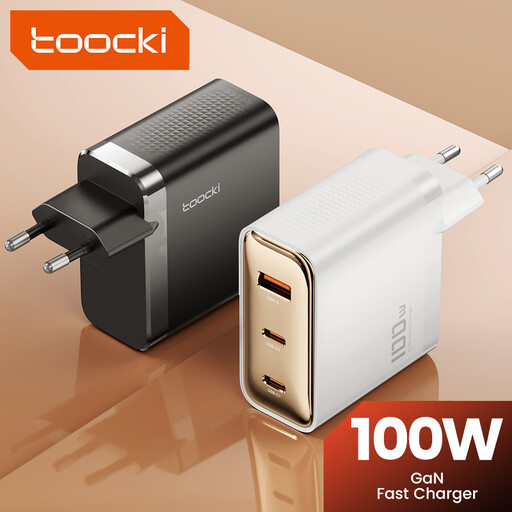
Why It's a Match: Ideal for users who need to charge a laptop (e.g., MacBook Pro), a tablet, and a smartphone simultaneously. The high total output and intelligent power distribution make it a true single-cable solution for your desk or for travel.
This charger bypasses the misleading power rating pitfall by explicitly delivering a high output of up to 100W from a single USB-C port, which is sufficient for most laptops.
The GaN technology ensures a compact size and low heat generation despite the high power. The multi-port USB charger with two USB-C and one USB-A port offers maximum flexibility.
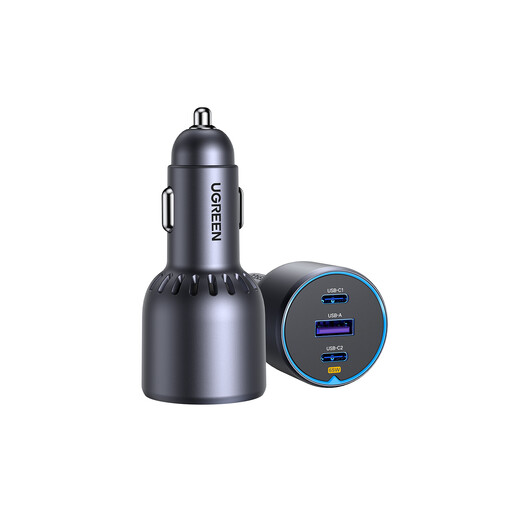
Why It's a Match: Anyone who spends a lot of time in the car needs a reliable and fast charging solution. This model powers up to three devices at once, including a laptop via the powerful 65W port.
This USB-C car charger solves the problem of many underpowered car chargers. It offers clear power distribution and supports relevant protocols to achieve a significant battery boost even on short drives.
The combination of two USB-C ports and one USB-A port offers maximum flexibility for the driver and passengers. The high output of up to 65W on a single port is a rarity in the car charger category.
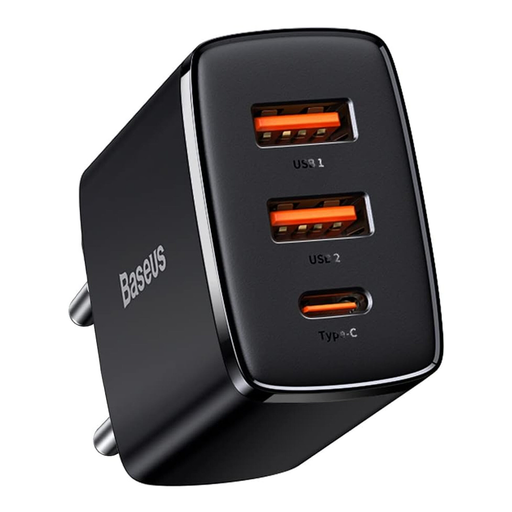
Why It's a Match: A versatile all-rounder for home or the office. It fast-charges a modern smartphone via USB-C while also offering two USB-A ports for older devices, headphones, or smartwatches.
This charger avoids the protocol incompatibility trap by supporting both Power Delivery 3.0 and Quick Charge 3.0. This makes it a flexible charger for iPhone and Samsung, as well as many other brands.
The ability to charge up to three devices at once reduces the need for multiple power adapters and keeps things tidy. The 30W output on the USB-C port is perfectly adequate for smartphones and tablets.
We have compiled a complete, up-to-date list of products that fully meet these strict selection criteria and UK/EU safety regulations.
No, not without limitations. For the fastest possible charge on an iPhone (8 or newer), you need a charger that supports Power Delivery (PD). For newer Samsung flagship models, a charger with PPS (Programmable Power Supply) support is optimal for "Super Fast Charging." A standard USB-C charger without these protocols will only charge the device slowly.
GaN stands for Gallium Nitride, a semiconductor material that operates more efficiently than traditional silicon. A GaN charger is typically smaller, lighter, and generates less waste heat at the same power level. If you're looking for a powerful multi-port USB charger or need a compact adapter for travel, the extra cost for GaN technology is often justified.
Always look for the CE mark, which confirms that the product meets EU safety standards. Additionally, certification marks like T?V or GS are an indicator of higher, independently tested safety. Avoid products without clear manufacturer information or those that get excessively hot during operation. A safe charger has built-in protection mechanisms against overcurrent, overvoltage, and overheating.