
Lieferung heute & morgen

Qualitätsgarantie

Willkommens-Angebote freischalten: KOSTENLOSE Lieferung | Bis zu 80 % RABATT | Kostenlose 30-Tage-JoyPlus-Testphase
App herunterladen
The classic 3.5mm headphone jack is becoming increasingly rare on modern smartphones, tablets, and laptops. In its place is the versatile USB-C port. While this transition offers the potential for higher audio quality, it also introduces new pitfalls for buyers. Many users invest in USB-C headphones only to be disappointed by tinny sound, poor compatibility, or an unusable microphone. This guide will help you identify the crucial features and make an informed choice.
Before you make a purchase, you should be aware of the typical flaws found in budget-friendly or poorly designed models.
To avoid the problems mentioned above, you should pay attention to a few core technical parameters. These are decisive for the performance and longevity of your headphones.
The audio quality of a USB-C headphone lives and dies by its built-in DAC. A high-quality DAC ensures a precise and low-loss conversion of the digital audio signal. Look for products from established audio brands, as they generally use more reliable components. Specifications like support for Hi-Res Audio (e.g., 24-bit/96kHz) can be an indicator of a more powerful DAC, enabling a more detailed soundscape.
The choice of form factor depends heavily on your intended use case.
If you also plan to use the headphones for calls, video conferences, or as a USB-C gaming headset, microphone quality is critical. Models with a microphone that is separate from the cable or specifically aimed often provide better voice capture. Some products advertise noise cancellation for the microphone, which reduces background noise for the person you're talking to and improves intelligibility in loud environments.
Here are some recommendations tailored to specific use cases that meet the quality criteria mentioned.
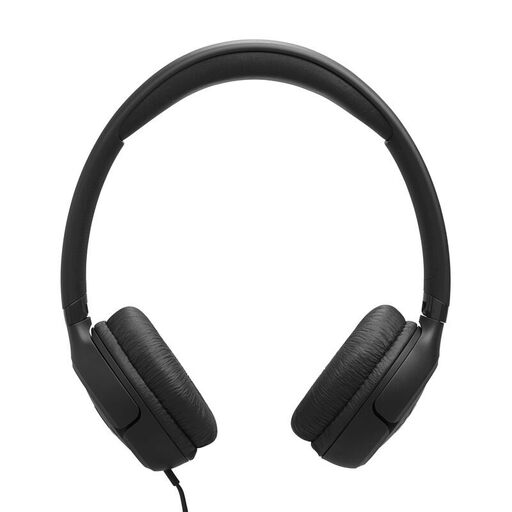
Why This Fits Their Persona: Ideal for long workdays in a home office. The lightweight on-ear design and soft ear cushions ensure comfort for hours. The integrated 3-button remote allows for easy control of calls and media playback without having to touch the device.
JBL relies on a proven DAC and a clear microphone, avoiding the typical disappointment of muffled sound and poor voice clarity during video conferences.
Hi-Res Audio certification for detailed sound; foldable design and tangle-free flat cable for easy storage.
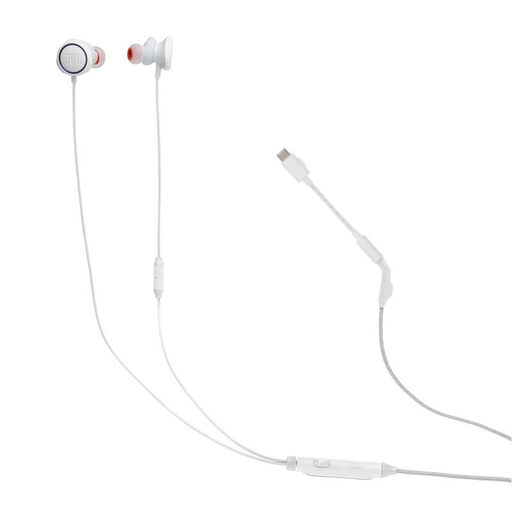
Why This Fits Their Persona: This in-ear headset is specifically designed for gaming. It offers immersive sound without the bulk of a large over-ear headset. Its compatibility with PC, consoles, and mobile devices makes it a flexible companion for any gaming platform.
The microphone is specifically focused on the voice and positioned separately from the volume controller. This prevents the poor voice quality common in many all-in-one solutions and ensures clear team communication.
TwistLock technology ensures a secure and comfortable fit even during long gaming sessions; JBL QuantumSOUND Signature technology delivers precise, gaming-optimized sound.
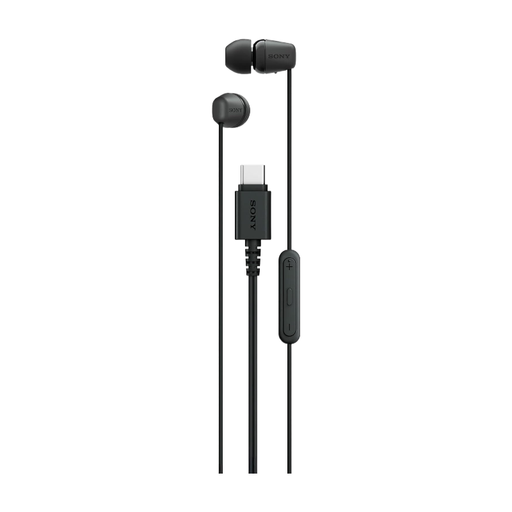
Why This Fits Their Persona: Perfect for daily use with **headphones for an Android phone with USB-C**. The lightweight, compact in-ear design and tangle-free cable make it the ideal companion for commuters and travelers who just want to listen to music or enjoy podcasts.
As a product from an established audio brand, Sony offers reliable plug-and-play functionality and consistent sound performance. This prevents the compatibility issues and poor audio quality often found in no-name products.
Integrated remote for controlling music, calls, and voice assistants; comes with multiple silicone earbud sizes for a custom and comfortable fit.
We have compiled a complete, up-to-date list of products that fully meet these strict selection criteria and German safety regulations.
1. Do USB-C headphones require special drivers or software? Usually not. Most USB-C headphones are designed as plug-and-play headphones and work immediately after being connected to a compatible device. Special software is typically only required for advanced features like virtual surround sound on gaming headsets, but the basic functions are driverless.
2. Do all USB-C headphones work with every Android phone or PC? For the most part, yes, but there are exceptions. Most modern devices that support the USB-C audio standard (USB Audio Class) are compatible. Problems can arise with very old or unconventional devices. It is advisable to stick with products from well-known brands, as they ensure broader compatibility.
3. Is the sound quality of USB-C headphones better than that of 3.5mm jack headphones? The potential for better sound quality is there. Since the headphones bring their own DAC, a high-quality model can bypass the often mediocre DAC in the smartphone or laptop, thus providing a superior audio experience. However, with a cheap USB-C headphone that has a low-quality DAC, the quality can be worse than with a conventional jack headphone. The quality of the components is the decisive factor here.