
Lieferung heute & morgen

Qualitätsgarantie

Willkommens-Angebote freischalten: KOSTENLOSE Lieferung | Bis zu 80 % RABATT | Kostenlose 30-Tage-JoyPlus-Testphase
App herunterladen
As more and more smartphones, tablets, and laptops ditch the traditional 3.5mm headphone jack, USB-C headphones have become the new standard solution for many users. However, the market is confusing and filled with products whose marketing claims often fail to deliver. As your Joybuy Product Recommendation Officer, I'm here to help you separate the wheat from the chaff and make an informed decision.
Before you spend any money, you should be aware of the typical problems that occur with low-quality models. This will protect you from disappointment and unnecessary expenses.
To avoid the pitfalls mentioned above, focus on a few crucial technical features.
An integrated DAC is the most important feature for compatibility and sound quality. This chip converts the digital audio signal from the playback device into an analogue signal that the headphone drivers can understand.
If you need a USB-C headset with a microphone for calls, video conferences, or gaming, the type and positioning of the microphone are critical.
For wired USB-C headphones, the durability of the cable is a key criterion. Look for the following features:
Instead of presenting a confusing list, we have selected models that meet specific user needs and adhere to the quality criteria mentioned.
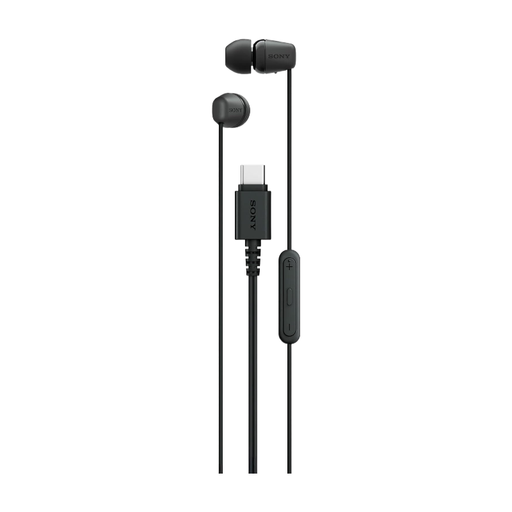
Why This Fits Their Persona: Ideal for users seeking a straightforward and reliable solution for their daily commute or for casual music listening. As USB-C headphones for mobile phones, this model is a plug-and-play solution with no battery anxiety.
As a product from an established manufacturer like Sony, broad compatibility is ensured by a solid integrated DAC. The tangle-free cable also addresses the issue of poor durability.
Simple plug-and-play operation. Integrated microphone and remote for controlling music and calls. Balanced sound for various music genres.
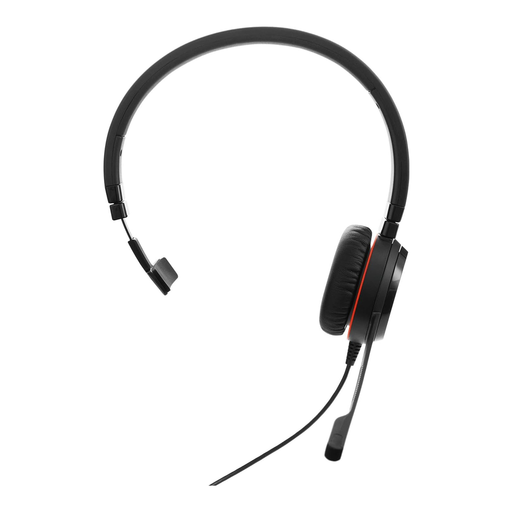
Why This Fits Their Persona: Designed for professional use in office environments or the home office. The mono design allows users to participate in calls with one ear while remaining aware of their surroundings with the other.
Its certification for Unified Communications (UC) guarantees seamless compatibility with common softphones, bypassing the DAC pitfall. The passive noise cancellation is clearly advertised as such, not as an exaggerated ANC feature.
In-line control unit for easy call management (answer, mute, end). Optimised for clear voice transmission in VoIP applications. High comfort for all-day use.

Why This Fits Their Persona: This USB-C gaming headset is designed for players who need latency-free audio transmission and clear team communication. The over-ear design ensures comfort during long gaming sessions and provides good passive isolation.
It avoids the poor microphone quality trap with a detachable boom mic featuring a cardioid pickup pattern that focuses on capturing your voice. The wired USB-C option guarantees a lag-free connection.
Cross-platform compatibility (PC, console, mobile). Detachable boom mic for clear communication. Also offers a wireless 2.4 GHz connection for more flexibility.
We have compiled a complete, up-to-date list of products that fully meet these strict selection criteria and German safety regulations.
Do all USB-C headphones work with every mobile phone? No, not necessarily. Compatibility depends on whether the headphones have their own Digital-to-Analogue Converter (DAC). Models with an integrated DAC are far more universal, as they don't rely on the smartphone supporting "Audio Accessory Mode." Check the product description for a mention of an integrated DAC to ensure maximum compatibility.
What is the difference between passive and active noise cancellation (ANC)? Passive noise isolation is created by the physical barrier of the headphones—that is, how well they seal the ear. This is the case with in-ear models using correctly sized tips and with well-fitting over-ear headphones. Active Noise Cancellation (ANC) is an electronic technology: microphones capture ambient sounds, and a processor generates an opposing sound wave to actively cancel them out. ANC is significantly more effective but requires power and is typically more expensive.
Are wired USB-C headphones better for gaming than Bluetooth headphones? For competitive gaming, wired USB-C headphones are often the better choice. The main reason is latency. A wired connection has virtually no delay between the on-screen action and the audio. Bluetooth connections always have a slight latency, which can be a disadvantage in fast-paced, competitive games. Therefore, a cable is preferable for a lag-free audio experience.