
Lieferung heute & morgen

Qualitätsgarantie
App herunterladen
Kategorien
The USB-C port has established itself as the universal standard for a wide range of devices, from laptops and tablets to smartphones like the iPhone 15 and the latest Samsung models. However, choosing the right USB-C to USB-C charging cable is crucial to unlock the full potential of your devices. Technical specifications like charging power, data transfer speed, and material quality are key factors that determine a cable's functionality and longevity.
Selecting the right cable comes down to objective technical parameters. To make an informed decision, consider the following criteria.
Charging power, measured in watts (W), is the most critical factor for fast charging. Modern devices use the Power Delivery (PD) standard to negotiate the maximum possible charging speed between the power adapter, cable, and end device.
An integrated E-Marker chip (Electronic Marker) is mandatory for power levels above 60W. It communicates the cable's capabilities to the charger and the device, ensuring a safe and efficient power transfer.
A USB-C to USB-C charging cable is not just for power, but also for data transfer. Here, speeds can vary significantly:
Determine whether your primary use case is charging or if it also involves high-speed data transfers.
A cable's physical properties affect its handling and durability.
Based on technical specifications and real-world utility, we present a curated selection of USB-C to USB-C cables.
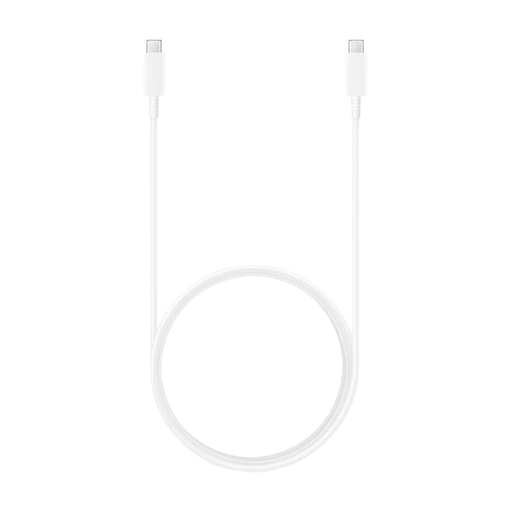
Why We Recommend This Product As a first-party accessory, the Samsung EP-DX510 is designed for high compatibility within the Samsung ecosystem and with other brands. It supports both Power Delivery up to 100W and Samsung's proprietary Super Fast Charging up to 45W, making it a reliable choice for owners of compatible devices.
Pros
Best For Users of Samsung devices (smartphones, tablets, laptops) who want manufacturer-specific charging optimisation. It's also a solid choice for anyone seeking a dependable Samsung USB-C charging cable with up to 100W of power for various devices.
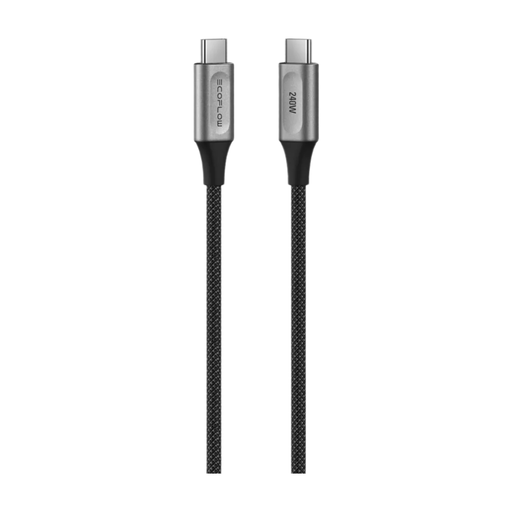
Why We Recommend This Product With support for up to 240W of charging power via the PD 3.1 standard, this cable is ready for the future. The integrated E-Marker chip automatically adjusts the power output to the connected device, ensuring safety. Its rugged construction with nylon braiding and reinforced connectors is built to last.
Pros
Best For Users with very high-performance devices like gaming notebooks or mobile workstations. Also ideal for tech enthusiasts looking for a future-proof and exceptionally durable fast-charging cable for laptops and other devices.
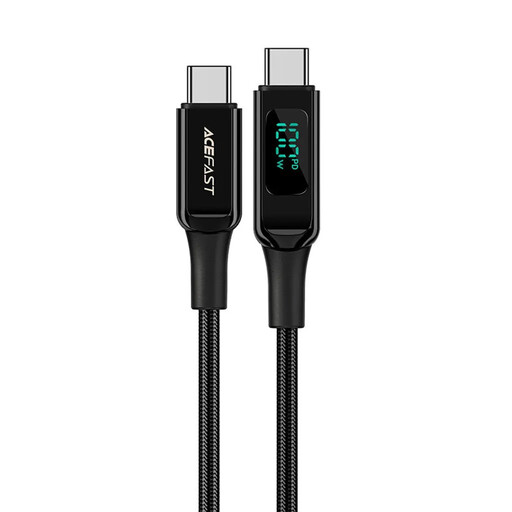
Why We Recommend This Product The ACEFAST cable combines a high 100W power output with a practical bonus feature: an integrated display that shows the current charging wattage in real-time. This allows for transparent monitoring of the charging process. With a 2-metre length and a nylon sheath, it is also flexible and resilient.
Pros
Best For Tech enthusiasts who want to precisely monitor their device's charging process. It's an excellent choice for users needing a long and robust 2m USB-C to USB-C cable for their notebook, tablet, or as an iPhone 15 cable.
If these recommendations don't include the perfect model for your specific needs, or if you're looking for different lengths, colours, or specifications, you can find a wider selection in our main category.
️ Discover more USB Type-C Charging Cables
1. Can I use any USB-C cable for my MacBook or iPhone 15? Generally, yes, as the connector is standardised. However, to achieve maximum fast-charging speeds, the cable must support the wattage required by the device and power adapter. For example, a MacBook Pro needs a Power Delivery charging cable rated for 100W or more, while a 30W cable is often sufficient for an iPhone 15. Using an underpowered cable will result in slower charging.
2. What does 100W mean for a USB-C charging cable? The 100W (watt) rating indicates the maximum electrical power the cable can safely transfer (typically at a voltage of 20 volts and a current of 5 amps). A cable with this rating is necessary to charge laptops and other high-performance devices at the full speed intended by the manufacturer. An E-Marker chip is mandatory for this power class.
3. Is a braided USB-C cable better? A braided data cable made from materials like nylon generally offers higher mechanical durability and better resistance to abrasion and fraying compared to standard cables with PVC or TPE sheathing. This can extend its lifespan, especially with frequent, on-the-go use. However, the braiding does not affect the cable's electrical performance.
Authored by: Joybuy Product Recommendation Officer