What should you look for when buying?
First, work out how you will keep a separate copy of the scans and make sure you can open the files from it. Then check your collection, ports and writing process. Choose additional access protection only if it suits the files and how you plan to use them.
| Consideration |
What to check before buying |
Who is it important to? |
| Separate backup |
Where the second copy will be stored, who is responsible for it and whether files can be opened from it again. |
If I look after irreplaceable scans, I want to be able to access a readable copy even if the working flash drive fails. Around 33% of consumers prioritise a separate, restorable backup. |
| Capacity and file size |
The size of existing folders, expected growth, the largest individual file and a compatible file system. |
As new scan folders are added, I need enough room for both the existing collection and large individual files. Around 27% of consumers prioritise space for existing and future scans. |
| Access protection |
How sensitive the files are, who is authorised to access them, and how a PIN or key will be managed. |
If sensitive files are accessed on a shared computer or while travelling, I need to organise access and recovery too. Around 20% of consumers prioritise protecting these types of files. |
| Transfers in your workflow |
The ports on all devices involved and the write-speed specification for the exact model. |
If I regularly receive scans or switch between different devices, I want compatible ports and a write speed suited to my workflow. Around 20% of consumers prioritise transfer needs. |
Joybuy products for storing and sharing scans
This selection includes USB-A flash drives, PIN-protected models and USB-A/USB-C options for storing and sharing scans. Check capacity, ports and protection needs against the devices involved and the files you have.
 No image available
Kingston DataTraveler 64 GB 220 MB/s metal USB 3.2 Gen 1 SE9 G3
For transferring scans to USB-A devices; check whether 64 GB is enough for your existing collection and expected growth.
Specified in the product name: 64 GB and USB 3.2 Gen 1.
View at Joybuy
 No image available
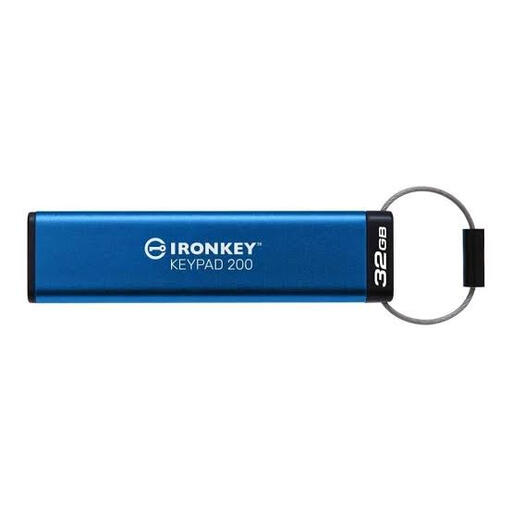
Kingston IronKey 32 GB Keypad 200, AES-256, FIPS 140-3 Lvl 3
For scans where PIN access fits your protection plan; also decide who will manage access and how you will keep another copy.
Specified in the product name: 32 GB, AES-256 and FIPS 140-3 Lvl 3.
View at Joybuy
 No image available
MOVESPEED YSUSP05-128GSR, 128 GB, Dual Interface
For switching between USB-A and USB-C devices when both connector types are needed in your workflow; check the ports on all the devices involved.
Specified in the product name: 128 GB, USB 3.2 Gen 1 and Type-C, plus read speeds of up to 570 MB/s.
View at Joybuy
 No image available
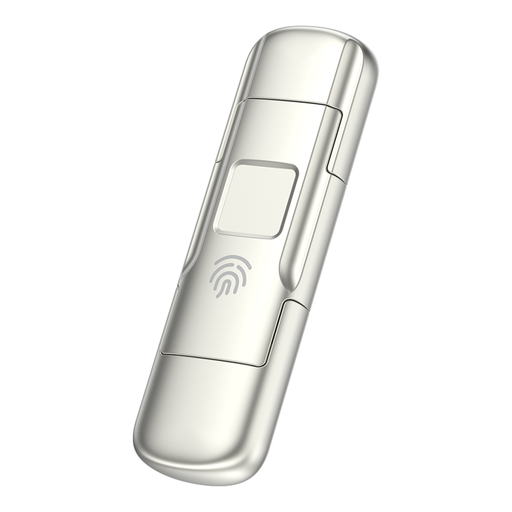
MOVESPEED YSUYC-256GSN, 256 GB, Fingerprint Encryption
For carrying scans with access protection in place; decide in advance how authorised users will gain access and what backup will be available independently.
Specified in the product name: 256 GB, USB 3.2 Gen 1 and Type-C, AES-256, fingerprint access, and read speeds of up to 550 MB/s and write speeds of up to 500 MB/s.
According to the security notice, data in the secure partition cannot be recovered if both the password and fingerprint recognition fail. Do not format the system partition.
View at Joybuy
 No image available
Lexar D40E 128 GB Dual USB 3.2 Gen 1 Type-C
For sharing files between USB-A and USB-C devices; check that the ports suit the shared computer and your other devices.
Specified in the product name: 128 GB, USB 3.2 Gen 1, Type-C and a metal casing.
View at Joybuy
Frequently asked questions
Can a USB flash drive be the only long-term archive for scans?
Do not rely on a flash drive as your only copy. The BSI points out that the lifespan of storage media cannot be predicted precisely and that you need to be able to restore your data. Check a separate copy by opening files from it.
Why won't a large scan file fit on the flash drive when there is still free space?
Check the file system: FAT32 cannot store an individual file of 4 GB or more. Kingston lists exFAT or NTFS as options for larger files. Formatting deletes existing data, so back it up first and test that files can be read on all the devices involved. In the configuration described by Kingston, NTFS may be read-only on macOS.
What extra tasks should you expect after buying?
Your workflow may involve keeping an additional backup, carrying out regular recovery checks and managing PINs or keys for access-protected flash drives. The steps you need will depend on the product you choose, your existing setup and your collection.
Do historical scans in Germany always need to be stored on an encrypted USB flash drive?
There is no blanket requirement that applies to every such flash drive. If personal data is being processed, those responsible must take appropriate technical and organisational measures to match the risks. The BfDI describes encryption as an important safeguard, particularly for portable storage media; whether it is required in a specific case depends, among other things, on the content, access and transport. Any publication of the scans should be assessed separately.


