Choose a USB flash drive with a connector that suits your devices, but don’t rely on it as your only copy. The German Federal Office for Information Security (BSI) points out that the lifespan of storage media cannot be predicted precisely. For confidential receipts or documents you carry with you, the Federal Commissioner for Data Protection and Freedom of Information (BfDI) recommends encrypted storage. If you choose a model with a PIN, make sure you also consider how you’ll unlock it and recover your files. Base the storage capacity on the size of your actual scan folder, and check that you can open a second local copy.
Who is this selection for?
People keeping personal receipt archives
If you store purchase receipts and tax records locally, you’ll need enough storage and a copy you can open when required. The BSI recommends planning backups so they remain available even if a device is lost or damaged.
People with confidential documents
If you store personal documents on a flash drive or carry it with you, protection in case it’s lost is an important factor in your choice. The BfDI generally recommends encrypted storage on USB drives. You should plan how to recover your files separately.
People scanning between two types of connector
If you want to transfer scans between a USB-C device and a computer with USB-A, check the connectors on both devices. Kingston and Verbatim offer USB flash drive models with both USB-A and USB-C connectors.
What should you look for when buying?
First, decide how you’ll recover your files if they’re lost or a device fails. Then check the device connectors and the level of protection you need. The BSI recommends backing up your data, while the BfDI recommends encrypted storage on USB drives – these address different risks.
| Consideration |
What to check before buying |
Who is it important to? |
| Recovery |
Plan for an independent local copy and check that you can open files from it. |
If my flash drive fails, I want to be able to open a second local copy. Around 31% of consumers say recovery is their top concern. |
| Confidentiality |
Compare software and hardware encryption, as well as the unlocking and recovery options for the specific model. |
If I carry receipts containing personal information, I want to restrict access if they’re lost. Around 25% of consumers put confidentiality first. |
| Device connectors |
Check for USB-A and USB-C on your devices, and make sure they support external drives and the file system you’re using. |
If I transfer scans between devices with different connectors, the flash drive needs to work with my devices. This is the main concern for around 25% of consumers. |
| Storage and copying |
Check the size of your scan folder and distinguish between read and write speeds. |
If I want to store my entire scan collection, I need enough space and a practical way to copy the files. Around 19% of consumers focus mainly on storage and the effort involved in copying. |
Common buying mistakes
-
Relying on a flash drive as your entire archive
The BSI says the lifespan of storage media cannot be predicted precisely. If your only flash drive is lost or fails, your scanned receipts could become inaccessible too.
Make an independent local copy and open sample files from it occasionally.
-
Confusing PIN protection with protection against data loss
Verbatim says the Keypad Secure #49429 is reformatted after 20 incorrect PIN entries. Without a separate copy, this could put access to your scans at risk.
Plan how you’ll manage your PIN or key separately from how you’ll recover your files.
-
Assuming the connector guarantees full device compatibility
Having both USB-A and USB-C connectors doesn’t guarantee that every mobile device can open and save files on the flash drive.
Test the process with a sample file on all your devices before relying on the drive.
-
Assuming read speed is the same as write speed
Samsung lists a maximum sequential read speed for the FIT Plus MUF-128AB/APC. This doesn’t tell you how quickly your scan folder will be copied to the drive.
Only compare clearly specified read and write speeds for the same model variant.
Key brands to consider
Kingston
The DataTraveler Duo G2 range includes models with USB-A and USB-C connectors. IronKey Keypad 200 is a separate range of hardware-encrypted products.
- Kingston lists both connector types for the 128 GB DataTraveler Duo G2.
- The encryption features of the IronKey range don’t mean that the DataTraveler Duo G2 has built-in encryption.
Verbatim
The models mentioned include a dual-connector option and USB-A flash drives both with and without specified keypad encryption.
- Verbatim lists hardware encryption and a PIN keypad for the Keypad Secure #49429. The Dual USB Drive #49968 is designed for USB-A and USB-C.
- Verbatim says the Keypad Secure #49429 is reformatted after 20 incorrect PIN entries. This model’s encryption features don’t apply to other Verbatim flash drives.
SanDisk
The Ultra Dual Drive Go SDDDC3-128G-G46 is a USB-A/USB-C option for switching between compatible connectors.
- SanDisk lists USB-C and USB-A connectors for the 128 GB Ultra Dual Drive Go.
- Information about other SanDisk product ranges doesn’t confirm the features of this model or its suitability as your only archive copy.
Samsung
The FIT Plus MUF-128AB/APC is a compact 128 GB USB-A option.
- Samsung lists sequential read speeds of up to 400 MB/s for the 128 GB version.
- This figure is for reading, not writing. The usable capacity may also be lower than the stated capacity.
USB flash drives for storing scanned receipts locally
The following Joybuy products are designed for local file storage, including models for switching between USB-A and USB-C devices. Before buying, check that the connectors, encryption and recovery options suit the way you’ll use the drive.
 No image available
Kexin 2-in-1 USB flash drive, pack of 2, 32 GB each
For switching between USB-A and USB-C devices. The product description mentions OTG use with smartphones, tablets and computers.
Two drives, each with 32 GB; USB 2.0.
Joybuy
 No image available
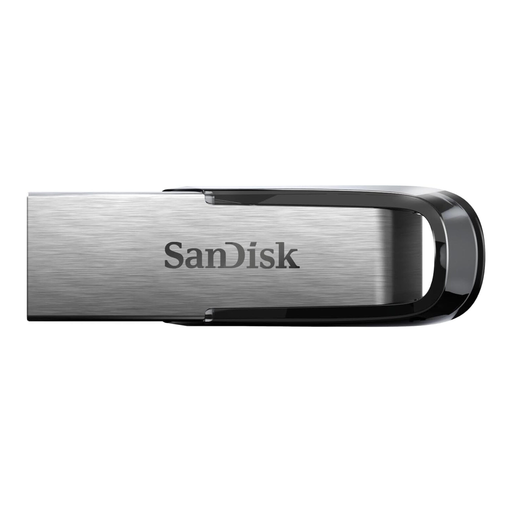
SanDisk Ultra Flair USB 3.0, 128 GB
For storing scans locally using a compatible USB-A connector.
128 GB; stated read speed of up to 150 MB/s; password protection according to the product information.
Joybuy
 No image available
MOVESPEED YSUSP05-128GSR, 128 GB
For switching between USB-A and USB-C devices. The product information lists both connector types.
USB 3.2 Gen 1; stated read speed of 570 MB/s.
Joybuy
 No image available
MOVESPEED YSUYC-256GSN, 256 GB
For storing files locally with fingerprint access, and connecting to USB-A or USB-C devices.
USB 3.2 Gen 1; AES-256 encryption according to the product description; stated read and write speeds of 550 MB/s and 500 MB/s. The description says the encrypted area cannot be recovered if both the administrator password and fingerprint access fail.
Joybuy
 No image available
Lexar D40E, 128 GB, Dual USB 3.2 Gen 1
For transferring scanned files locally between compatible USB-A and USB-C devices.
128 GB; USB-A and USB-C connectors; the description mentions AES-256 software encryption. Check how to set it up and recover your files before use.
Joybuy
Frequently asked questions
Is a USB flash drive enough as the only copy of my scanned receipts?
No, not if you want your scans to remain available if the drive is lost or damaged. The BSI points out that the lifespan of storage media cannot be predicted precisely. Make an independent copy and check that you can open files from it.
How can I avoid corrupting files when removing the drive?
Wait until any writing is finished, then eject the drive using your operating system. Kingston explains that delayed writing from the cache can otherwise contribute to file corruption.
Is hardware encryption a legal requirement for personal receipts?
The BfDI generally recommends encrypted storage on USB drives. This security recommendation doesn’t mean there’s a general legal requirement to use a hardware-encrypted USB flash drive. If you process personal data for work, the specific circumstances must be assessed separately.
Do I need to upload personal tax receipts with my tax return?
Generally not: the North Rhine-Westphalia tax authorities explain that receipts are usually only requested if needed. This doesn’t clarify whether a scan alone is sufficient for a particular paper original. If you’re unsure, keep the original.
Does a USB flash drive automatically make business receipt scans legally compliant?
No. Requirements for business documents that must be retained under commercial or tax law apply to the entire process of recording and storing them. In its FAQ on digital retention dated 19 March 2026, the German Federal Chamber of Tax Advisers says these questions depend on the individual circumstances. Choosing a USB flash drive doesn’t mean you’re allowed to destroy paper originals.


