Collectors of large project versions
If you want to keep several editing versions along with the media they need, work out the size of the complete archive before you buy. Adobe notes that project files can be linked to selected media.


For an archive containing multiple versions of a video project, your USB flash drive should have enough usable storage for all the media you need and be compatible with your devices’ file systems and ports. If you regularly copy large files, the write speed of the specific model matters. And as a flash drive can be lost or fail, it shouldn’t be your only archive copy.
If you want to keep several editing versions along with the media they need, work out the size of the complete archive before you buy. Adobe notes that project files can be linked to selected media.
If you want to be able to recover earlier versions after something is lost or damaged, plan to keep another copy in a separate location. The German Federal Office for Information Security (BSI) recommends keeping backup copies away from the location of the device at risk.
If you regularly copy large project versions, write speed matters more than a single high read-speed figure. Kingston lists read and write speeds separately for its DataTraveler Max range; the advertised maximum speeds require a suitable host device.
First work out how much space your complete archive needs. Then check the file system and connections, and compare the write speeds of the specific models if you back up files frequently.
| What matters when buying | What to check | Who should pay particular attention? |
|---|---|---|
| Space for every version | Compare the total size of all the project files and media you need with the capacity of the specific model. Also check the largest individual file and the file system. Microsoft sets a 4 GiB per-file limit for FAT32. | If I want to keep every project version and the media it needs, enough storage is my top priority. Around 31% of consumers prioritise having space for all their versions. |
| A recoverable copy | After copying, check that the project and its required media open correctly. Keep another copy separately from the flash drive you use. | If I don’t want a loss or fault to affect my only archive copy, I’ll keep a separate backup. Around 31% of consumers prioritise being able to recover their files. |
| Write speed | Compare the write speed of the exact model with its read speed, and check your computer’s USB port. Maximum speeds don’t guarantee how long your own copy will take. | If I regularly back up large new project versions, I want to know how quickly data can be written. Around 19% of consumers prioritise copy times when writing files. |
| Compatibility | Check for a USB-A or USB-C connection and make sure the file system is supported by every device you plan to use. A dual connector doesn’t automatically solve file-format or storage issues. | If I want to use the same archive with devices that have different ports, the flash drive needs to work with them all. Around 13% of consumers prioritise device compatibility. |
| Access protection | For confidential files, check how the device is unlocked and what recovery options are available. For the Verbatim Keypad Secure USB-A 128 GB, follow the manufacturer’s guidance on security updates and incorrect code entries. | If I’m carrying sensitive project files, I want to know who can access the flash drive. Around 6% of consumers prioritise keeping files confidential while they’re being transported. |
A project file can refer to media stored separately. Adobe notes that Premiere’s archiving options can leave out unused media.
Before copying, decide which versions and media you’ll need later, then try opening a copy of the archive.
Missing media can make it impossible to edit the project later.
The BSI notes that the lifespan of storage media can’t be predicted precisely. A single copy can also be lost or fail.
Keep another copy separately and regularly check that you can open important project files.
If your only copy becomes unreadable or is lost, your archived versions may no longer be available.
Manufacturers list read and write speeds separately. Kingston also notes that you need a suitable host connection to achieve the advertised performance.
Compare the write speed of the exact model with your computer’s port, and don’t treat maximum speeds as a guarantee of how long a transfer will take.
Backing up new versions repeatedly may take longer than you expect.
Microsoft sets a maximum file size of 4 GiB for FAT32. Apple notes that formatting a drive erases files already stored on it.
Before making your first archive copy, check the size of the largest file and make sure all the devices you’ll use support the chosen file system.
Changing the format may mean you need to format the drive and copy your files again.
The information below relates to specific product ranges and models. Before comparing them, check the model, capacity and conditions attached to the manufacturer’s claims.
The DataTraveler Max is a USB-C option for large archives that you copy frequently, while the DataTraveler Duo is designed for switching between USB-A and USB-C devices.
The JetFlash 920 is a USB-A option for regular file transfers, provided its available capacity is enough for your archive.
The BAR Plus is a USB-A option for an archive you carry with you, provided the capacity of your chosen model is sufficient.
The Extreme PRO USB 3.2 Solid State Flash Drive range is a USB-A option for transferring large files; make sure you identify the exact version.
The Keypad Secure USB-A 128 GB is an option if access protection matters when carrying your files and its capacity is enough for your archive.
This selection includes USB flash drives for project files, including sets with USB-A and USB-C connectors. Compare each drive’s capacity with the storage needs of your complete archive.
 No image available
A good option for storing several project versions, provided 256 GB is enough for your complete archive.
256 GB; write speeds of up to 60 MB/s and read speeds of up to 200 MB/s.
 No image available
Suitable for a smaller archive, provided 64 GB is enough for all the versions and media you want to keep.
64 GB; USB 3.2 Gen 1; write speeds of up to 100 MB/s and read speeds of up to 220 MB/s.
 No image available
Suitable for switching between devices with USB-A and USB-C, provided 32 GB per drive is enough for the files you want to store on it.
2 × 32 GB; USB 2.0; the product description states that it supports OTG for transferring files between Android devices and computers.
 No image available
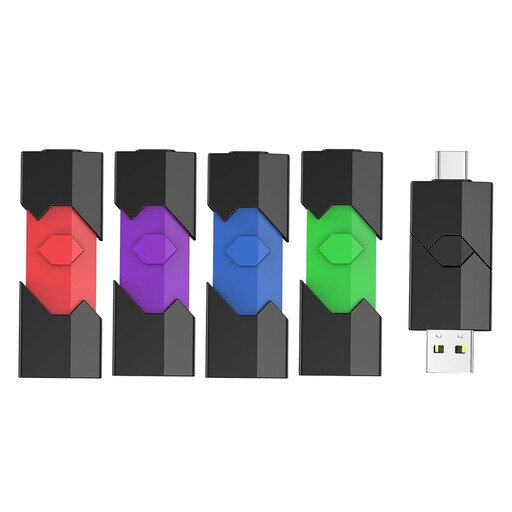
Suitable for storing files in several separate locations or switching between devices, provided USB 2.0 and 32 GB per drive meet your needs.
5 × 32 GB; USB-A and USB-C; the product description states that it supports OTG for transferring files between Android devices and computers.
 No image available
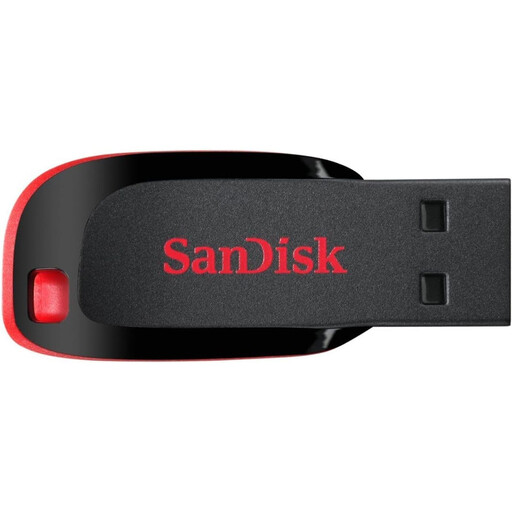
Suitable for a small archive on devices with USB-A, provided 32 GB is enough for the project files you need.
32 GB; USB 2.0; read speeds of up to 70 MB/s.
First decide which project versions and media you’ll need later. In Adobe Premiere, the Project Manager can collect the media used. Options to exclude unused media or trim footage can change the archive size, but may also limit what you can do with the project later. Then try opening a copy of the archive.
The file system may limit the size of an individual file: Microsoft sets a maximum of 4 GiB per file for FAT32. Before reformatting, if necessary, check that the chosen format works on all your target devices. Apple notes that formatting erases files already stored on the drive.
No, not if you want to keep your versions safe in case of loss or damage. Plan to keep another copy separately and test that you can read the files back. The German Federal Office for Information Security notes that the lifespan of storage media can’t be predicted precisely.
Kingston lists a five-year manufacturer’s warranty for the DataTraveler Max. Check the terms for the exact model; a warranty doesn’t guarantee that lost project files can be recovered.