A USB flash drive is suitable for backing up large landscape videos only if its usable capacity can hold all your project files and planned backup versions, and its file system supports your largest individual file. If you make copies frequently, the write speed of the specific model and connection you use matters. The German Federal Office for Information Security (BSI) also recommends checking your backup and disconnecting the storage medium from your computer when you’re not backing up. If your files won’t fit on a suitable flash drive, consider a larger external drive.
Which solution is right for you?
Filmmakers with large project folders
If you want to back up your video files, project files and other necessary folders in full, consider their total size and leave room for future backup versions. The German Federal Office for Information Security (BSI) recommends having enough storage space for backup copies.
Video editors who back up regularly
If you frequently copy large amounts of data, the write speed of the specific flash drive variant matters more than its read speed alone. Manufacturers’ peak figures don’t guarantee a consistent sustained transfer rate.
People using more than one computer
If you want to use the same backup with devices that have different ports, check the connections and file system together. For large video files, you’ll also need to consider the maximum file size supported by your chosen file system.
What should you look for when buying?
First, work out exactly what you need to back up and identify your largest individual file. Then check that the capacity, file system and connections are compatible with your devices. If you’ll be making repeated copies, the write speed quoted for the specific model matters too.
| What matters |
What to check when buying |
Who should pay particular attention? |
| Space for the whole project |
Compare the size of all the folders you plan to back up and any planned backup versions with the usable capacity of the specific variant. |
If you want to back up your entire project folder rather than selected clips, you’ll need enough space. Around 33% of consumers put capacity for a complete backup first. |
| Write speed |
Check the write speed quoted for the exact model and the connection on your computer; a high read speed alone tells you little about write performance. |
When copying large video files frequently, write time is what matters most. Around 27% of consumers prioritise write speed for repeated backups. |
| Ability to restore your files |
After copying, open your files and any project components you need. Disconnect the storage medium from your computer when you’re not backing up. |
If you want to carry on working from your backup when needed, check its contents and store it separately. Around 20% of consumers pay particular attention to being able to restore their backups. |
| Connection and file size |
Consider USB-A or USB-C ports and your largest individual file. Microsoft states that FAT32 supports a maximum file size of 4 GiB; check which file systems all your devices support. |
If you transfer files between computers with different ports, you’ll also need to check that the file system is compatible. Around 13% of consumers put compatibility with their devices first. |
| Protecting access when you’re out and about |
For the specific model, check how you unlock it, whether it has a protected data area and whether it has enough capacity for your entire project. |
If you store confidential project files on a flash drive you take with you, you’ll also want to consider preventing access by others. Around 7% of consumers prioritise access protection. |
Common buying and backup mistakes
-
Only counting the size of individual clips
A complete backup also needs room for project files, other necessary folders and, where applicable, additional backup versions.
Before buying, work out the size of everything you need to back up and compare it with the usable capacity of the specific drive.
Depending on how much you need to store, you may need a larger or additional storage device.
-
Confusing read speed with backup write speed
When you create a backup, data is written to the flash drive. Manufacturers list read and write speeds separately, and your connection and computer can also limit transfer speeds.
Check the write speed of the exact variant and the connection requirements. Don’t treat advertised peak speeds as guaranteed sustained rates.
Repeated backups may take longer than a high read speed might suggest.
-
Assuming that free space means large individual files are supported
A drive may have free space available but still be unable to store an individual video file because of the file system’s size limit. Microsoft states that FAT32 supports a maximum file size of 4 GiB.
Check your largest video file and make sure the file system is supported by all the devices involved. Back up any existing data before formatting a drive.
-
Relying on a permanently connected flash drive as your only backup
A copy is only useful if you can restore it. A connected storage device could also be affected by the same problem as your computer.
Open files from the copy and store the backup medium separately from your computer when you’re not backing up. The BSI recommends disconnecting the medium after backing up.
You may need an additional backup option in case a single copy is lost or damaged.
Key brands at a glance
SanDisk
Extreme PRO USB flash drives are worth considering if you want to transfer large files on a compact USB storage device.
- CHIP gives the specifically listed 128 GB and 256 GB variants good scores for read and write performance in its test list.
- This rating doesn’t prove that other capacities are suitable, or that a project folder of unknown size will fit on the flash drive in full.
Kingston
DataTraveler Duo is worth considering if you use USB-A and USB-C ports on different devices.
- Kingston lists 128 GB and 256 GB variants in the DataTraveler Duo range.
- Before buying, compare these capacities with everything you need to back up. Details for one range don’t automatically apply to other models from the brand.
Transcend
JetFlash 920 is a USB-A range for buyers who want to compare manufacturers’ speed figures for frequent write operations.
- Transcend quotes read speeds of up to 420 MB/s and write speeds of up to 400 MB/s for the JetFlash 920.
- These are manufacturer peak speeds, not independently measured sustained rates for large project folders.
Samsung
The USB Type-C Flash Drive MUF-512DA/APC is a documented 512 GB option for devices with USB-C.
- Samsung confirms that this model has a USB-C connection and a capacity of 512 GB.
- This information doesn’t allow you to compare its write speed with the other models listed.
Verbatim
Keypad Secure #49429 is designed for people who want to unlock a USB-A flash drive they take with them by entering a code.
- Verbatim lists AES-256 hardware encryption and an integrated keypad for entering a code on this model.
- It has a capacity of 128 GB, so compare this with the size of your entire video project folder.
Suitable products at Joybuy
The following Joybuy products include USB flash drives with USB-A and USB-C connections, as well as portable SSDs as an alternative if a flash drive isn’t suitable for everything you need to back up.
 No image available
MOVESPEED YSUSP05-128GSR, 128 GB
The USB-A and USB-C connections are useful for switching between devices with different ports. Check whether 128 GB is enough for your entire project folder.
USB 3.2 Gen 1; 570 MB/s read speed according to the product name; 3D-NAND.
View at Joybuy
 No image available
MOVESPEED YSUYC-256GSN, 256 GB
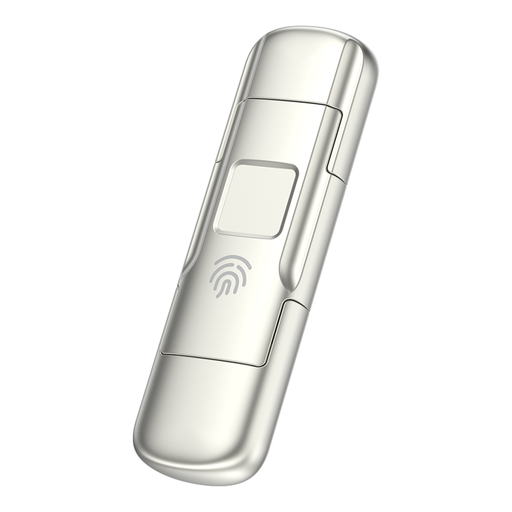
The 256 GB variant may suit larger project folders, provided all the files you need will fit and you want access protection.
USB 3.2 Gen 1; USB-A and Type-C; fingerprint access; 550 MB/s read and 500 MB/s write speeds according to the product name. According to the product details, data in the protected partition may be permanently lost if both the administrator password and fingerprint recognition fail; do not format the system partition.
View at Joybuy
 No image available
Lexar D40E, 128 GB (LJDD40E128G-BNSNG)
The dual connection is designed for switching between devices with USB-A and USB-C ports. Compare the capacity with everything you need to back up.
128 GB; USB 3.2 Gen 1; USB-A and USB-C.
View at Joybuy
 No image available
Samsung Portable SSD T7, 1 TB
This portable SSD is an option if a USB flash drive doesn’t have enough space for everything you need to back up.
1 TB; USB Type-C; USB 3.2 Gen 2 (3.1 Gen 2).
View at Joybuy
 No image available
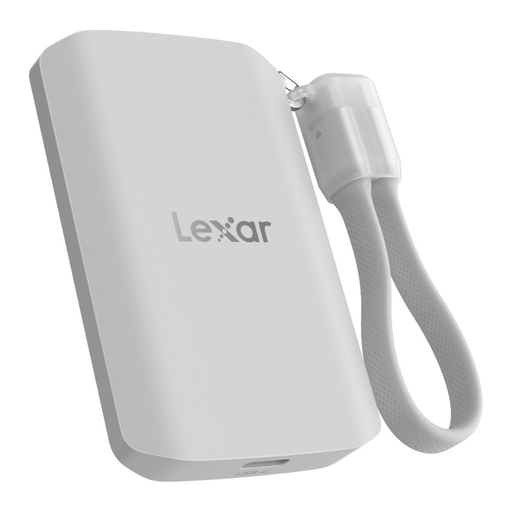
Lexar ES5 Portable SSD, 1 TB
The 1 TB SSD can be an alternative for large video and project folders. Check whether your devices support USB 3.2 Gen 2x2; according to the product details, performance may be lower on Macs and other systems without this interface.
USB 3.2 Gen 2x2; read and write speeds of up to 2,000 MB/s; IP65; MagSafe attachment. According to the product details, do not immerse in water.
View at Joybuy
Frequently asked questions
Is “USB 3.2” enough to estimate how long a backup will take?
No. Compare the write speed quoted for the exact variant and your computer’s connection. Kingston specifically states that optimum performance for the DataTraveler Max range requires a USB 3.2 Gen 2 connection with 10 Gb/s. This requirement applies to that range, not to all USB flash drives.
Why can’t I copy a large video clip when there’s free space available?
Check the file system and the size of the individual file. Microsoft states that FAT32 supports a maximum file size of 4 GiB. For larger files, you’ll need a suitable file system that’s also supported by the devices you use. Back up any existing data before reformatting the drive.
How do I check a newly created backup?
Open files from the copy and check that you can restore the project components you need. The BSI recommends having enough storage space and disconnecting the backup medium from your computer when you’re not backing up.


