People responsible for club archives
If you need to back up important club documents regularly, keep a separate copy and check that the files can be restored. The BSI highlights the importance of testing data recovery.


A USB flash drive can be a good fit for club documents in a shared studio, provided its storage capacity, connectors and unlocking method suit the files and computers you use. If you regularly copy large files, check the write performance of the exact model. Germany’s Federal Office for Information Security (BSI) also stresses that data must be recoverable. If you process personal data, your safeguards should be appropriate to the actual risk, as explained by the Federal Commissioner for Data Protection and Freedom of Information.
If you need to back up important club documents regularly, keep a separate copy and check that the files can be restored. The BSI highlights the importance of testing data recovery.
If a flash drive could be lost in a shared studio or while you’re out and about, protection against unauthorised access should be part of your choice. If you process personal data, your safeguards should match the risks involved, as explained by the Federal Commissioner for Data Protection and Freedom of Information.
If you save or open documents on different devices, check the connectors, file system and, where applicable, unlocking method on every computer you need to use. The BSI recommends testing the recovery process in practice.
Start by planning how you’ll back up and restore your files. Then work out which files need protection, which devices you’ll use and how much storage you’ll need for complete folders and additional file versions.
| What matters | What to check before buying | Who should pay particular attention? |
|---|---|---|
| Backups you can restore | Allow enough usable storage for all folders and planned file versions; keep a separate copy and plan to test that you can read files back from it. | If I need to restore important club files in an emergency, I need a tested process, not just a flash drive with files on it. Around 33% of consumers put restoring files first. |
| Protection against unauthorised access | Check how sensitive the documents are, how authorised people will unlock the drive, and how passcodes or keys will be stored securely. | If you handle confidential documents in a shared studio or carry the flash drive with you, make sure unauthorised people can’t read the files. Around 27% of consumers prioritise this kind of access protection. |
| Device compatibility | Check the connectors and operating systems on the computers you’ll use; open a test file on the intended device. | If I switch between studio computers with different connectors, I need to be able to open the backup on each one. Around 20% of consumers prioritise device compatibility. |
| Storage capacity and copying time | Work out the size of your complete folders and the file versions you want to keep; compare the write-speed rating for the exact model with the host computer’s connector. | For large or frequently updated folders, I need enough space and don’t want to wait unnecessarily long for files to be written. Around 20% of consumers prioritise storage needs and copying time. |
A single storage device can fail, and its lifespan can’t be predicted precisely, according to the BSI. You also need to be able to restore the files you’ve saved.
Decide where an additional, separately stored copy will be kept and who will test the recovery process regularly. This takes extra organisation.
Access protection is of little use if authorised people can’t open the backup and read the files back. For the 128 GB Verbatim Keypad Secure USB-A, the manufacturer says the drive will be reformatted after 20 incorrect code entries.
Test unlocking and recovery with the people responsible before storing the only copy of any important documents on the drive. Allow time to manage passcodes or keys, too. For the Verbatim model mentioned above, you should also follow the security update guidance provided by the manufacturer.
Manufacturer figures can depend on the host device, how the drive is used and its capacity. COMPUTER BILD rated the write performance of the tested 128 GB Intenso High Speed Line as slow. A manufacturer’s maximum figure and a test result are based on different conditions.
Compare write-speed figures and test results for the exact model you want, and take the studio computer’s connector into account.
Keypad Secure is a USB-A option with a keypad. The details here refer to the 128 GB version.
IronKey includes USB-A and USB-C models with different unlocking methods. DataTraveler Max is a separate range designed for large files.
The JetFlash 890 is designed for switching between devices with USB-A and USB-C connectors.
The High Speed Line is a USB-A option if the capacity and write-speed rating of the exact model suit your needs.
The Extreme PRO USB 3.2 may be worth considering for larger copying jobs. Check the model number and version carefully.
The product options below include USB flash drives for switching between USB-A and USB-C devices, as well as models with different storage capacities. Before using one, check that its connectors, usable storage and, if needed, access protection suit your backup process.
 No image available
Could be a good fit if you need to use backups with devices that have USB-A and USB-C connectors.
The product title lists USB 2.0, 32 GB and a pack of 2. Check whether the usable storage is enough for your complete folders and file versions.
If you’re storing confidential files, check the specific protection features and unlocking process beforehand.
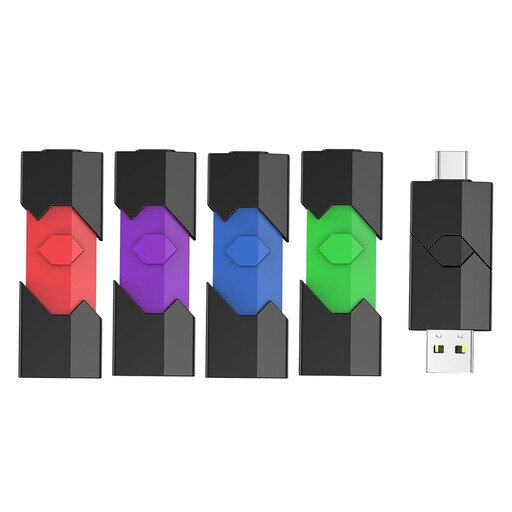 No image available
Could suit teams that need several storage devices for switching between USB-C and USB-A devices.
The product title lists a pack of 5 and 32 GB. Before buying, check which unit the capacity applies to and whether it’s enough for your backup folders.
Check that the connectors work with the devices you plan to use, and confirm the access protection for confidential documents.
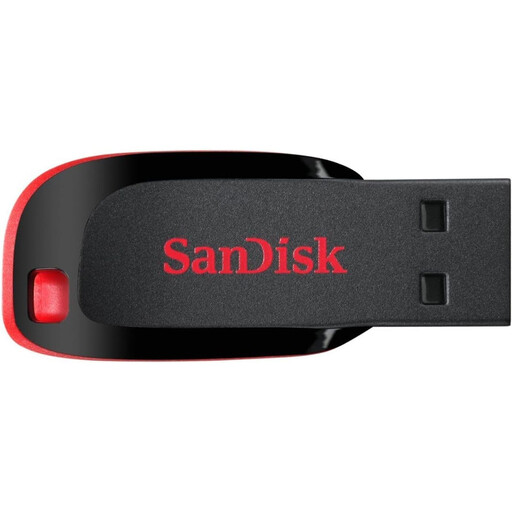 No image available
Could be a good fit if a 32 GB USB-A flash drive suits the studio computers you plan to use and the size of the files you need to back up.
The product title lists 32 GB and USB 2.0. Check that there’s enough usable space for your complete folders and additional file versions.
For confidential club documents, don’t rely on the product name alone. Check what protection features the exact model offers and how to set them up.
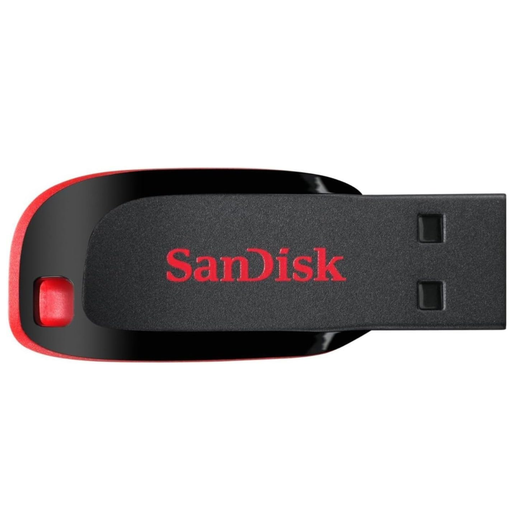 No image available
Could be worth considering if 64 GB suits your planned backup and the connector is compatible with the computers you use.
The product name lists 64 GB. Check that the usable storage is enough for your folders and file versions.
If you’re storing confidential documents, confirm the protection features and how to set them up for this exact model.
 No image available
Could suit larger or more frequent copying jobs if 128 GB and the listed connectors meet your actual backup needs.
The product title lists 128 GB, USB 3.2 Gen 1 and Type-C. The product description states write speeds of up to 520 MB/s; this isn’t a guaranteed copying speed on your studio computer.
Check that the connector works with the device you plan to use. If the documents are confidential, check access protection separately.
No. One flash drive shouldn’t be the only copy of important documents. The BSI points out that the lifespan of storage media can’t be predicted precisely and that data must be recoverable. Keep another copy separately and test that you can restore it.
Test the connectors and unlocking process on the computers you plan to use, and restore a test file. For the 128 GB Verbatim Keypad Secure USB-A, the manufacturer also mentions a security update. Follow the relevant manufacturer guidance before use.
The official guidance referred to here doesn’t establish a blanket requirement to use a particular flash drive model. If you process personal data, those responsible should choose appropriate technical and organisational measures based on the actual risk. Encryption may be one such measure; the club needs to decide whether it suits its specific processes.
Check that the connectors fit the computers you actually use and that you can open files on every device. For the Transcend JetFlash 890, the manufacturer says USB-A and USB-C can’t be used at the same time. A dual-connector drive also doesn’t automatically resolve questions about the file system, encryption or recovery.