Choose a capacity that suits the actual size of your project folders and the number of backup versions you want to keep. If you regularly copy large files, write speed on the port you have is more important than a high read speed. For confidential invoices, you should also check access protection and recovery options. A single USB flash drive is no substitute for an additional backup or, where required, a properly maintained invoice archive.
Which USB flash drive is right for you?
Teams with growing project archives
If you back up invoices alongside large project folders, plan for capacity, copying time and future recovery together. The German Federal Office for Information Security (BSI) also recommends ensuring that backed-up data can be restored.
Mobile users carrying confidential invoices
If you take backups with you, bear in mind that a storage device can be lost. The BSI notes that encryption can help protect data on lost or stolen USB storage devices from unauthorised access.
Users with multiple computers
If you back up and open files on devices with different ports or operating systems, check the connector, file system and, where applicable, how to unlock encrypted data on every device you plan to use.
What should you look for when buying?
First, work out how much space you need for your existing files and additional backup versions. Then compare write speed, data protection and the ports on your devices.
| Buying criterion |
What to check |
Who should pay particular attention? |
| Capacity |
The size of the complete folders and extra space for additional backup versions; the usable capacity of the specific variant. |
If I need to store growing project folders and several backup versions, available storage is especially important. Around 33% of consumers therefore put capacity first. |
| Protection for confidential data |
Encryption method, unlocking on the devices you plan to use and a reliable recovery method. |
If you carry invoices with you, you’ll want to make unauthorised access more difficult if the drive is lost. Around 27% of consumers prioritise protection for confidential data. |
| Write speed |
Write speed specifications for the exact variant and the computer’s USB port; maximum speeds are not a measured copying time. |
If I back up large or frequently updated project folders, I want to estimate how long writing will take. Around 27% of consumers therefore pay particular attention to write speed. |
| Device compatibility |
USB-A or USB-C, file system and, where applicable, unlocking encrypted files on the devices you use. |
If you want to use the same backup on several devices you already own, you’ll need suitable ports and files that can be read. Around 13% of consumers focus on switching between devices. |
Common mistakes when backing up to USB
-
Treating a USB flash drive as your only backup or a complete invoice archive
A storage device can fail or be lost. Having a single drive also does not prove that you meet the requirements for retaining business invoices.
Keep another copy separately and test that you can restore the files. For business invoices, also check which data you need to retain for your type of invoice.
-
Estimating backup time from the highest read speed
Backing up involves writing data to the drive. The transfer can also be limited by your computer’s port or by a hub you’re using.
Compare the write speed specifications for the specific variant with your device’s port, rather than looking only at read speed.
-
Confusing a folder’s size with FAT32’s file size limit
The FAT32 limit applies to an individual file. A large folder made up of smaller files is therefore not automatically ruled out, but individual files larger than 4 GB cannot be written to FAT32.
Check the size of your largest individual file and which file systems your devices support. Back up existing data before reformatting, as this can erase files stored on the drive.
Key brands to consider
SanDisk
The Extreme PRO Dual Drive is designed for compatible USB-A and USB-C devices; the variant reviewed here offers 1 TB.
- SanDisk quotes read speeds of up to 1,000 MB/s and write speeds of up to 900 MB/s for this variant.
- These are the manufacturer’s maximum speeds, not a measurement using your file folder. Check your actual port and your data protection requirements.
Kingston
DataTraveler covers standard USB flash drives, while IronKey is a separate product range featuring hardware-encrypted models.
- For the 256 GB IronKey Locker+ 50 G2, Kingston specifies XTS-AES-256 hardware encryption and write speeds of up to 115 MB/s.
- For the 256 GB DataTraveler Kyson, Kingston quotes write speeds of up to 60 MB/s and lists this model as discontinued. These specifications apply to the respective variants.
Verbatim
The Keypad Secure USB-C flash drive may suit you if you want to include unlocking via its built-in numeric keypad in your process.
- For the 128 GB version reviewed, Verbatim specifies USB-C and AES-256 hardware encryption.
- Check whether the capacity is enough for all your data and the backup versions you plan to keep.
Samsung
The FIT Plus is a compact standard USB flash drive for USB-A devices; the variant reviewed here has 256 GB.
- Samsung quotes sequential read speeds of up to 400 MB/s for this variant.
- A read speed does not guarantee the same write speed for backups, nor does it tell you whether the drive offers encryption.
USB flash drives for invoices and project folders
These USB flash drives are worth considering for storing invoices and project files. Match the capacity and connector to your data and the devices you use.
 No product image available
Kingston DataTraveler Kyson, 256 GB
For planned data volumes up to the stated capacity on devices with USB-A.
256 GB; write speeds of up to 60 MB/s; USB 3.2 Gen 1.
View at Joybuy
 No product image available
Kingston DataTraveler SE9 G3, 64 GB
For backups on devices with USB-A, provided the stated capacity suits your data.
64 GB; write speeds of up to 100 MB/s; USB 3.2 Gen 1.
View at Joybuy
 No product image available
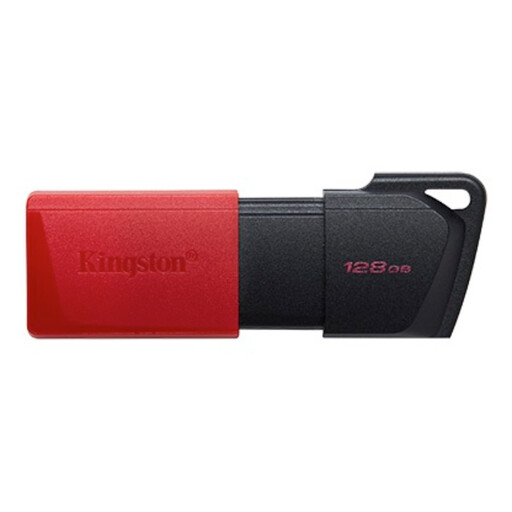
Kingston DataTraveler Exodia M, 128 GB, USB 3.2 Gen 1
For documents and project files on USB-A devices, provided there’s enough capacity for the backups you plan to keep.
128 GB; 40 MB/s write speed; USB 3.2 Gen 1.
View at Joybuy
 No product image available
Kexin 2-in-1 USB flash drive, 2 × 32 GB, USB-A and USB-C
You can use the two drives for separate copies; check that each drive has enough capacity for your files.
2 × 32 GB; USB 2.0; USB-A and USB-C connectors.
View at Joybuy
 No product image available
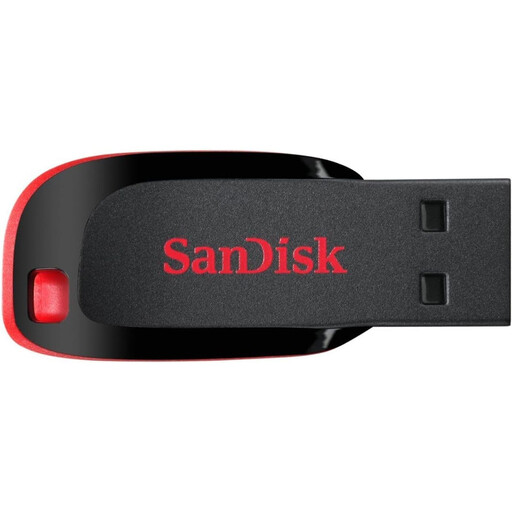
SanDisk Cruzer Blade SDCZ50-032G-B35, 32 GB
For files on devices with USB-A, if 32 GB is enough for the data you plan to store.
32 GB; USB 2.0.
View at Joybuy
Frequently asked questions
How much storage should a USB flash drive have for project folders?
Choose a capacity that suits the size of your complete folders and any additional backup versions you want to keep. Compare the size of your data with the specific variant and allow enough usable space.
Which speed matters when backing up to a USB flash drive?
When copying files to the drive, write speed matters, not just read speed. The actual transfer rate also depends on your computer’s USB port and, where applicable, a hub. Maximum speeds quoted by manufacturers are no guarantee of performance with your file folder.
Do I need exFAT for a large project folder?
Not simply because of the folder’s total size. FAT32 cannot store an individual file larger than 4 GB. For files of that size, check whether your devices support exFAT or another file system, and back up existing data before formatting.
Is it enough to back up invoices on just one USB flash drive?
Keep another copy separately and check that you can actually restore the backup. The BSI emphasises that a backup must not only be created but also be restorable.
What should I know about German e-invoices beyond keeping a PDF copy?
For affected transactions between businesses based in Germany, the Federal Ministry of Finance (BMF) has generally required the use of electronic invoices since 1 January 2025. Transitional arrangements apply, and private consumers are exempt. In its letter dated 14 July 2025, the BMF explains that for e-invoices under § 14 paragraphs 1 sentences 3 and 6 of the German VAT Act (UStG), the structured data may be sufficient, provided the requirements set out in the letter are met. So check the type of invoice and the applicable retention requirements rather than assuming that saving a PDF view is always enough.


