Choose your USB flash drive based first on the ports available on your source and presentation devices, then on file size and file system. Microsoft documents a FAT32 limit affecting a single file of 4.294.967.295 bytes. If your slides contain confidential information, check the access protection and how to unlock the drive on the device you’ll be using. If you regularly copy large files, write speed matters — not just read speed. Before your presentation, open the copy offline on the presentation device or a suitably equipped test device.
Which USB flash drive is right for you?
Presenters using different devices
If you transfer your presentation between devices, first check the ports on your own device and at the presentation venue. Depending on the combination, you may need a USB-A flash drive or a model with both USB-A and USB-C.
Presenters with confidential slides
If your presentation contains sensitive information, consider who could access the files if you lost the drive. The German Federal Office for Information Security explains that encryption can help protect data from unauthorised access if a device is lost.
Presenters with large media files
For large presentations and frequent updates, the file system and write speed of the specific model matter as well as the available storage space. Also check that the presentation device can read the drive.
What should you look for when buying?
These percentages offer a rough guide to the factors that may matter most to consumers in Germany when choosing a USB flash drive for presentations without cloud storage.
| Buying criterion |
What to look for |
Who is it most important to? |
| Connections |
Check the ports on both your source device and the presentation device. A dual-drive model can support USB-A and USB-C, provided each connector matches the relevant port. |
If I switch between my own device and the presentation device, I need a suitable connection at both ends; around 36% of consumers put connection compatibility first. |
| File size and storage |
Check both the total storage required and the size of your largest individual file. Check the file system and whether it’s compatible with the presentation device. |
If my presentation contains lots of media or one particularly large file, I need enough space and a suitable file system; around 29% of consumers prioritise file size and usable storage space. |
| Confidential content |
Check the level of access protection you need, how to unlock the drive on the device you’ll be using and, where relevant, your organisation’s requirements. Keep a separate, appropriately protected copy. |
If my slides contain sensitive information, I want to limit access if the drive is lost and be able to unlock it reliably before my presentation; around 21% of consumers prioritise confidentiality. |
| Copying time |
Look for write-speed specifications or test results for the exact capacity you want. A quoted read speed doesn’t tell you how quickly files can be written to the drive. |
If I regularly update large files shortly before a presentation, write speed matters to me; around 14% of consumers prioritise copying time. |
Avoid common buying mistakes
-
Focusing only on the USB standard or read speed
The USB generation alone doesn’t guarantee a particular write speed. If you frequently update large presentations, slow write speeds could disrupt your schedule before the event.
Check the write-speed specifications or independent test results for the exact capacity you’re considering, rather than assuming that read speed is the same as copying speed.
-
Checking only the port on your own device
You won’t be able to plug a USB flash drive directly into the presentation device if it has a different type of port.
Check the ports on both devices. If you switch between USB-A and USB-C, a drive with both connector types could be a suitable option.
-
Assuming free storage space means the file will fit
Even if there’s enough space overall, the file system and the size of an individual file can affect whether it can be copied. Microsoft documents a FAT32 limit affecting a single file of 4.294.967.295 bytes.
Check the size of your largest file and the file system. Don’t reformat the drive until you’ve checked its compatibility with the presentation device and made a backup.
-
Choosing encryption without testing how to unlock the drive
You’ll need to unlock a protected drive before your presentation. For the Verbatim Keypad Secure #49428, the manufacturer says that reformatting is required after 20 incorrect code entries.
Test how to unlock the drive well in advance and keep a separate, appropriately protected copy of your files.
Key brands at a glance
Kingston
The DataTraveler Exodia range is a USB-A option for transferring files. Kingston also offers other DataTraveler and IronKey ranges, but their features aren’t necessarily the same.
- Kingston lists USB-A, USB 3.2 Gen 1 and several capacities for the Exodia.
- This doesn’t confirm that the Exodia has a USB-C connector or encryption. The USB standard alone doesn’t tell you its specific write speed.
SanDisk
According to SanDisk, the Ultra Dual Drive Go is designed for switching between devices with USB-A and USB-C.
- SanDisk lists both connector types for this range.
- The manufacturer’s speed of up to 400 MB/s refers to read speed and the capacities specified on the product page. It doesn’t indicate write speed or the performance of other dual drives.
Verbatim
According to the manufacturer, the Keypad Secure #49428 is a USB-A option with hardware encryption and a keypad on the drive for entering your code.
- Verbatim lists AES-256 hardware encryption for this model.
- The manufacturer notes that a security update is required and that the drive must be reformatted after 20 incorrect code entries. These are the manufacturer’s claims, not the result of an independent security test.
Samsung
According to Samsung, the BAR Plus MUF-128BE4/APC is a USB-A model with 128 GB of storage and a metal casing.
- These details apply to the specified BAR Plus model.
- The manufacturer’s claims about the casing or read speed don’t confirm a measured write speed or the features of every Samsung flash drive.
USB flash drives at Joybuy
This selection includes USB-A flash drives for compatible devices, as well as a USB-A/USB-C dual drive for switching between the two connector types. Make sure the capacity and file-transfer performance suit your presentation files and the devices available at the venue.
 No image available
Kingston DataTraveler 256GB Kyson
For presentation files on devices with a compatible Type-A port.
256 GB; Type-A connector; up to 200 MB/s read speed and 60 MB/s write speed.
Joybuy
 No image available
Kingston DataTraveler 64GB 220MB/s Metal USB 3.2 Gen 1 SE9 G3
For transferring presentations to a device with a compatible Type-A port.
64 GB; up to 220 MB/s read speed and 100 MB/s write speed.
Joybuy
 No image available
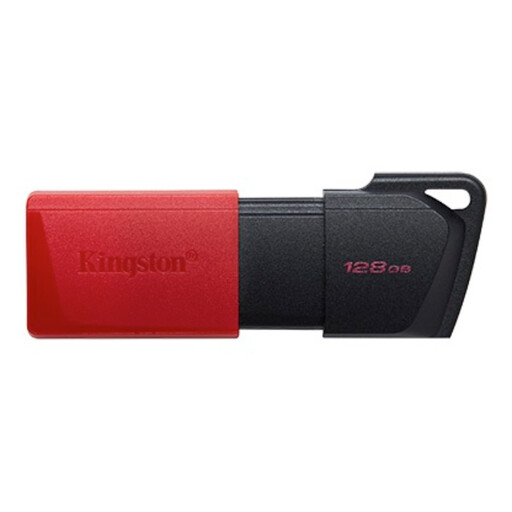
Kingston DataTraveler Exodia M 128 GB, USB 3.2 Gen 1 (Black + Red)
For transferring presentations and other files locally.
128 GB; USB 3.2 Gen 1; 40 MB/s write speed.
Joybuy
 No image available
Kexin 2 in 1 32GB USB 2.0 Flash Drive, USB-A & USB-C OTG, 2 Pack
For switching between devices with USB-A and USB-C; check the ports on your source and presentation devices.
USB 2.0; two drives, each with 32 GB of storage.
Joybuy
 No image available
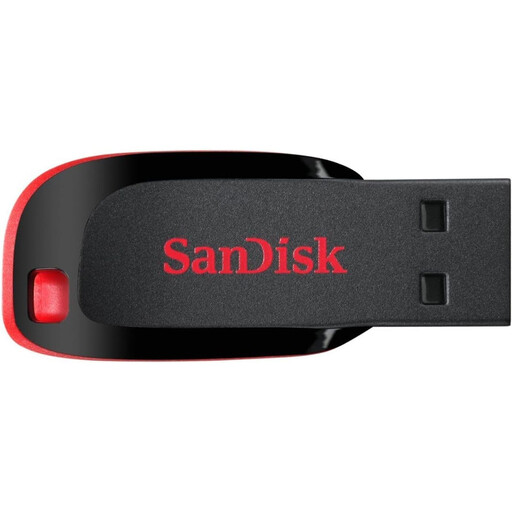
SanDisk SDCZ50-032G-B35 Cruzer Blade USB 2.0, 32GB
For transferring files between devices with a compatible USB Type-A port.
32 GB; USB 2.0.
Joybuy
Frequently asked questions
Will a USB-A flash drive work if my laptop has USB-C?
Only if you have a suitable way to connect it. For switching directly between USB-C and USB-A, you could use a drive with both connector types; also check the port on the presentation device.
Why can’t I copy a large file even though there’s space available?
Check the file system and the size of the individual file before reformatting the drive. Microsoft documents a FAT32 limit affecting a single file of 4.294.967.295 bytes. After making any changes, check that the presentation device can read the chosen file system.
How can I avoid problems when opening my presentation?
Before the event, open the copy on a compatible device without using the cloud. If you use non-standard fonts, check whether they can be embedded. Microsoft notes that fonts and layouts may change on another device, and that not every font can be embedded.
Does every presentation need to be stored on an encrypted USB flash drive?
These recommendations don’t mean that you must buy a particular encrypted drive for every presentation. If you process personal data, data controllers must take appropriate technical and organisational measures based on the level of risk, in accordance with Article 32 of the GDPR. The BfDI generally recommends encrypted storage on USB media. If you’re handling work-related or confidential documents, also check your organisation’s requirements.
When should I remove the USB flash drive after copying files?
On Windows, use ‘Safely Remove Hardware’ to eject the drive before unplugging it. Microsoft recommends this to help prevent data loss. Keep the original file on another storage device as well.


