What should you look for when buying?
First check whether the computer allows the drive and which connector will fit. Then consider data privacy, a reliable backup and enough storage; write speed comes later, depending on what you need.
| What matters |
What to check before buying |
Who it matters most to |
| Connection and access |
Check the connector on both devices, along with the USB rules and supported file system at your location. |
If I’m copying files in a computer suite, the drive must actually be allowed and usable there. Around 33% of consumers put access on a shared computer first. |
| Confidentiality |
Check the level of protection and the unlocking method; make sure you can conveniently unlock the drive at your location. |
If my notes are confidential, I want to make them harder to access if the drive is lost, without relying on software that isn’t available when I need to unlock it. Around 27% of consumers prioritise protecting confidential files. |
| Recoverable copies |
Keep a separate copy and check that you can open the files on it. |
If I can’t afford to lose important notes, I need an accessible copy as well as my portable drive. Around 20% of consumers focus on keeping their files safe. |
| Capacity and file system |
Compare the size of your folder and largest individual file with the capacity and file systems supported by both devices. |
If my notes folder grows or contains large files, I want enough space and to be able to open them on the other device. Around 13% of consumers prioritise storage space and file systems. |
| Write speed |
Compare write speeds for the exact model and capacity, and take the computer’s connector into account. |
If I often copy lots of files to the drive, write speed matters more to me than a high read speed. Around 7% of consumers prioritise shorter transfer times. |
USB flash drives at Joybuy
This selection includes USB-A flash drives, models with both USB-A and USB-C, and options with PIN or fingerprint unlocking for study notes and other files.
 No image available
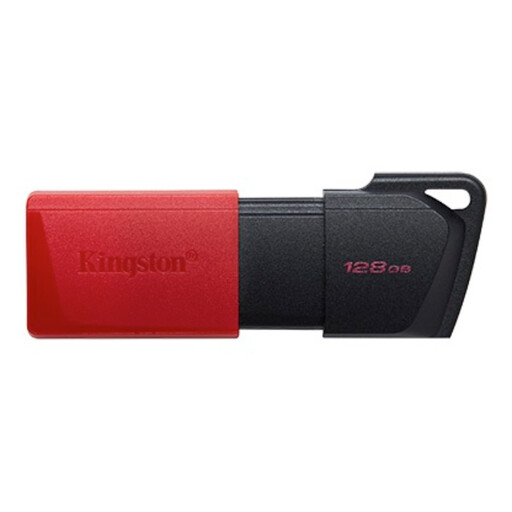
Kingston DataTraveler Exodia M 128 GB, USB 3.2 Gen 1 (Black + Red)
For documents and study notes, if the computer allows USB-A storage.
128 GB; the product description lists a write speed of 40 MB/s. Check that the drive is supported at your location.
Joybuy
 No image available
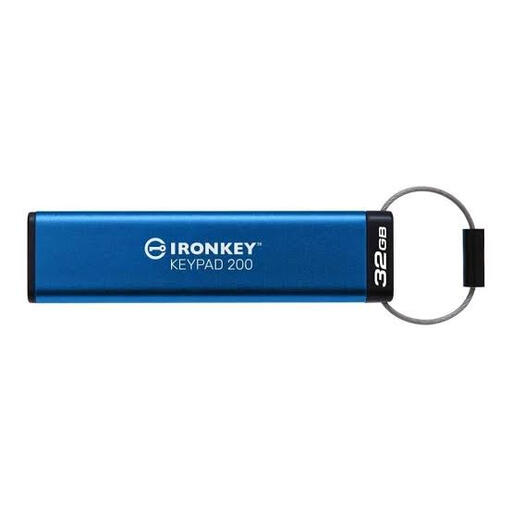
Kingston IronKey 32 GB Keypad 200
For confidential files, if you want to unlock the drive using its built-in keypad.
32 GB; the product description specifies an alphanumeric PIN and XTS-AES hardware encryption. FIPS 140-3 Level 3 certification is listed as pending.
Joybuy
 No image available
MOVESPEED 128 GB USB flash drive, YSUSP05-128GSR
For devices with different connectors, if both support USB-A and USB-C.
128 GB; the product description quotes read speeds of up to 570 MB/s and write speeds of up to 520 MB/s. These figures don’t necessarily reflect the speed of every computer.
Joybuy
 No image available
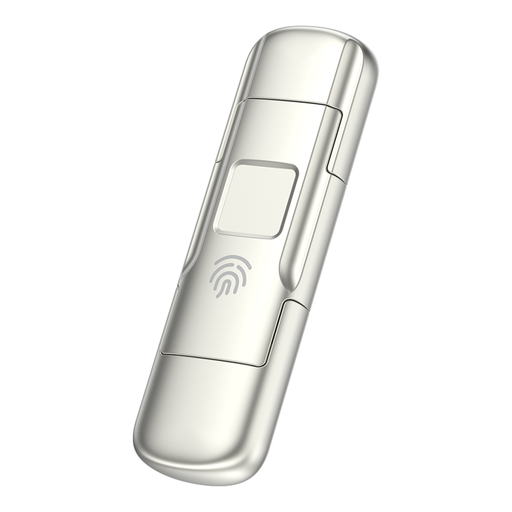
MOVESPEED 256 GB USB flash drive, YSUYC-256GSN
For confidential files and devices with USB-A or USB-C, if fingerprint access suits the way you use the drive.
The product description lists AES-256 encryption, support for up to ten fingerprint IDs, read speeds of up to 550 MB/s and write speeds of up to 500 MB/s. According to the security notice, data in the secure partition cannot be recovered if both the password and fingerprint recognition fail.
Joybuy
 No image available
Lexar JumpDrive D40E 128 GB, LJDD40E128G-BNSNG
For devices with USB-A and USB-C, if you want to transfer files between the two connector types.
128 GB; the product description lists speeds of up to 100 MB/s, file encryption software and a swivel design. Check that the file system is compatible with both devices.
Joybuy
Frequently asked questions
How can I check whether a flash drive will work on a shared computer?
Check the connector and USB rules at the specific location, then open an authorised test file there. The rules for one computer suite won’t necessarily apply elsewhere, and operating systems may block writes to removable storage.
Why can’t I copy a large file even though there’s enough free space?
With FAT32, the file system may prevent you from copying files over 4 GB; Lexar lists exFAT or NTFS as alternatives for larger files. Before reformatting, check that both devices support your chosen file system and back up any existing data, as formatting will erase it.
What should I do after copying files on Windows?
Open a copied file to check it, then eject the drive using ‘Safely Remove Hardware’ before unplugging it. Microsoft recommends safely removing the drive to help prevent data loss.
Is an encrypted drive enough as the only backup for confidential notes?
No, it’s still important to keep a separate, accessible copy. Encryption can protect files if the locked drive is lost, but it won’t protect files while they’re open on an unlocked computer.
How can I stop important notes from being lost with the drive?
Keep an independent copy in a different location and check that you can open the files. The German Federal Office for Information Security notes that the lifespan of storage media cannot be predicted precisely.


