A USB flash drive for teaching materials in a shared studio should be part of a separate, recoverable backup, not the only copy. Germany’s Federal Office for Information Security recommends planning for data recovery too. Then check the studio computers’ ports and operating systems, how much storage you need and, for confidential files, what level of access protection is appropriate.
Who should consider these options
Teams with important material archives
If teaching files need to remain available after a device fails or goes missing, your team needs a separate backup process as well as the flash drive. Germany’s Federal Office for Information Security notes that the lifespan of storage media cannot be predicted precisely, and backed-up data needs to be recoverable.
Teams with confidential documents
If you store personal or other confidential files on a portable device, decide who is allowed to unlock it. Germany’s Federal Commissioner for Data Protection and Freedom of Information highlights encryption as an important measure for portable storage devices. The right safeguards depend on the risks involved and the contents of the files.
Teams using different studio computers
If computers have different ports or you use a mix of Mac and Windows devices, check the connection, file system and, if applicable, unlocking method together. Apple lists ExFAT as a formatting option for a drive over 32 GB that will also be used with Windows. SanDisk describes the Ultra Dual Drive Luxe as a model with USB Type-C and USB Type-A.
What to look for when buying
First, work out how you’ll create a separate copy and restore files from it. Then check device compatibility, access protection, storage capacity and write speed against the needs of your studio.
| Priority |
What to check before buying |
Who it matters most to |
| Recoverable backup |
Keep a separate copy and open selected files from it on a designated device. |
If I want to be able to open materials from a separate copy after a flash drive fails or goes missing, recoverability is my top priority. Around 29 % of consumers put this first. |
| Confidentiality and access |
Check the file contents, unlocking method and what happens after incorrect entries for the specific model. |
If confidential documents are stored on a portable flash drive, I want to establish who is allowed to unlock it and how access details will be managed. Around 23 % of consumers prioritise controlled access and confidentiality. |
| Switching between devices |
Test USB ports, operating systems, the file system and, if applicable, the unlocking method on every device you plan to use. |
If I regularly open files on studio computers with different ports or operating systems, compatibility across the whole process matters to me. Around 18 % of consumers make switching between devices their main concern. |
| Storage capacity |
Compare your files and planned backup versions with the actual usable capacity of the specific model. |
If my collection of materials is growing or I need several backup versions, I want to make sure there’s enough space for the copy I’m planning. Around 18 % of consumers focus on storage capacity. |
| Copying time |
Compare write speeds or tests for the same model and capacity, as well as the ports on your computer and hub. |
If I often copy large folders of materials, I want to assess write speed rather than just read speed. Around 12 % of consumers are mainly concerned about how long copying takes. |
Common buying mistakes
-
Using the USB flash drive you carry around as your only copy
A fault, loss or unreadable backup could otherwise put all your materials at risk. Germany’s Federal Office for Information Security recommends making sure backed-up data can be restored.
Keep your working copy and backup separate, and open a few files from the backup at random to check them.
Keeping another backup in a separate place requires an additional device or a suitable storage location.
-
Confusing encryption with recoverability
A protected flash drive is no substitute for another copy. On some models, repeated incorrect entries can also block access to your data or erase it.
Set up access protection based on the file contents and responsibilities, and keep a readable backup separately. Check what happens after incorrect entries on the specific model.
Your team will need to decide who unlocks the flash drive and how access details are managed.
-
Assuming read speed or the USB standard tells you the write speed
COMPUTER BILD gave different write-speed assessments for the 128 GB models it tested: it rated the SanDisk Extreme Pro USB 3.1 Gen1 positively, while the tested Intenso High Speed Line USB 3.0 was rated as slow. These results apply to the specific versions tested.
Compare write-speed specifications and test results only for the relevant model and capacity, and check that your computer and hub support the required interface.
Longer waits during frequent transfers of large files can disrupt your workflow.
-
Checking only the plug, not compatibility across devices
A matching port alone doesn’t guarantee that another device can read your files or unlock a protected flash drive. The format matters too: Apple notes that formatting erases existing files.
Before using the drive regularly, test a file on every computer you plan to use. If you have a protected model, also check that its unlocking method works.
If you need to reformat unexpectedly, you’ll have to make sure the files are backed up somewhere else first.
Relevant brands at a glance
SanDisk
The Extreme Pro and Ultra Dual Drive Luxe models cater to different needs.
- COMPUTER BILD praised the write speed of the 128 GB Extreme Pro USB 3.1 Gen1 it tested.
- COMPUTER BILD rated writing as very slow on the 128 GB Ultra Dual Drive Luxe USB Type-C it tested. Both assessments apply only to the versions tested.
Verbatim
The 128 GB Keypad Secure USB-A is designed for teams able to manage PIN-protected access.
- Verbatim specifies AES-256 hardware encryption and an integrated keypad.
- The manufacturer says the drive must be reformatted after 20 incorrect code entries and notes that a security update is available. COMPUTER BILD reported that the 128 GB model it tested failed its drop test.
Kingston
The IronKey Locker+ 50 G2 is an option for teams that want to manage administrator and user access separately.
- Kingston specifies hardware encryption and support for Windows and macOS; the IronKey uses USB-A.
- According to Kingston, the IronKey can permanently erase data after ten consecutive incorrect administrator passwords. Information about the DataTraveler Max range does not automatically apply to the IronKey.
Intenso
The High Speed Line is a USB-A range for straightforward file transfers.
- Intenso specifies write speeds of up to 100 MB/s for the 128 and 256 GB versions.
- COMPUTER BILD rated the write speed of the 128 GB High Speed Line USB 3.0 it tested as slow. The manufacturer’s maximum figure and the test result are based on different specifications and conditions.
Samsung
The BAR Plus is a USB-A option for devices with this connection.
- Samsung advertises sequential read speeds of up to 400 MB/s for the 256 GB version.
- This figure refers to reading, not writing, and doesn’t indicate how long a backup will take.
Joybuy products for studio backups
This selection includes an encrypted USB flash drive, as well as USB flash drives and multipacks for switching between devices. Check the specifications for the version you’re considering and test the process on the studio computers you plan to use. A single flash drive shouldn’t be your only backup.
 No product image available
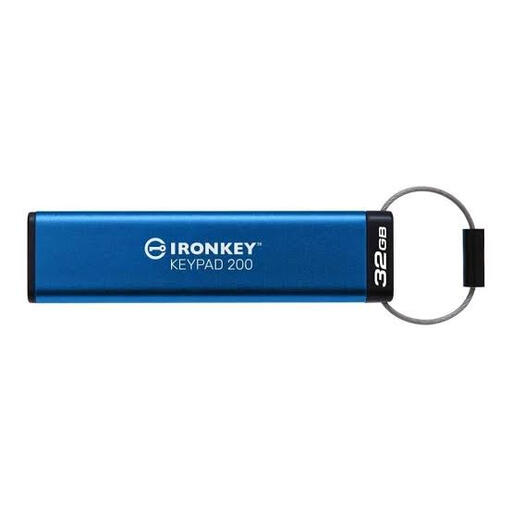
Kingston IronKey 32 GB Keypad 200
An option if your team needs a USB flash drive with access protection for confidential files.
32 GB; the product name specifies AES-256 encryption.
View at Joybuy
 No product image available
Kexin 2-in-1 USB flash drive, 32 GB, USB-A and USB-C, pack of 2
May suit you if files need to move between devices with different USB ports and you plan to use several flash drives as part of your backup process.
The product name specifies USB-A, USB-C, OTG, USB 2.0 and a pack of 2.
The capacity stated in the product name is 32 GB.
View at Joybuy
 No product image available
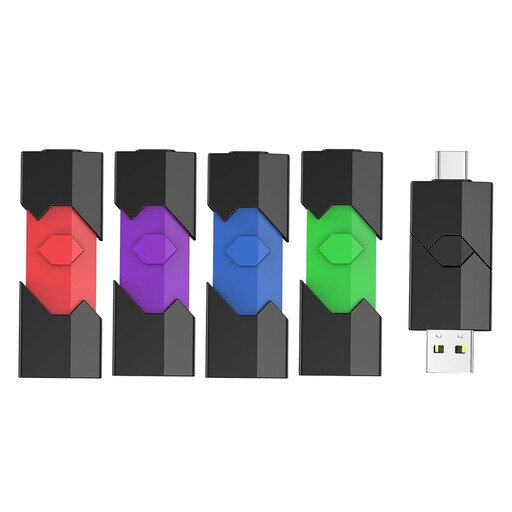
Kexin 2-in-1 Type-C USB flash drive, 32 GB, pack of 5
Could suit a team planning to use several flash drives for separate storage or different workstations.
The product name specifies a pack of 5 and a capacity of 32 GB.
View at Joybuy
No product image available
Kexin 2-in-1 Type-C USB flash drive, 128 GB, pack of 5
Could suit a team planning to use several flash drives for teaching files and backups.
The product name specifies a pack of 5 and a capacity of 128 GB.
View at Joybuy
 No product image available
MOVESPEED YSUSP05-128GSR, 128 GB, USB 3.2 Gen 1 and Type-C
Could be suitable for switching between USB-A and Type-C ports; check compatibility with all the devices you plan to use.
128 GB; the product name specifies USB 3.2 Gen 1 and Type-C.
The product name specifies read speeds of up to 570 MB/s. This is not a write-speed figure.
View at Joybuy
Frequently asked questions
Is one USB flash drive enough to back up teaching materials?
A single flash drive shouldn’t be the only copy of important files. Germany’s Federal Office for Information Security notes that the lifespan of storage media cannot be predicted precisely, and backed-up data needs to be recoverable.
How do I set up a flash drive for Mac and Windows?
First, check that the flash drive can be read on every device you plan to use. Apple lists ExFAT as a formatting option for a drive over 32 GB that will also be used with Windows, and warns that formatting erases existing files. If you have an encrypted model, its unlocking method must also work on the devices you plan to use.
Does a USB flash drive containing personal teaching records have to be encrypted in Germany?
Article 32 of the GDPR requires data controllers to use appropriate technical and organisational measures based on risk; it does not impose a blanket requirement to buy a particular type of USB flash drive for all teaching files. Germany’s Federal Commissioner for Data Protection and Freedom of Information describes encryption of portable storage devices as an important measure. The right safeguards for your studio depend in particular on the data, responsibilities and security plan.
What should your team decide before making the first backup with a password-protected flash drive?
Decide who is allowed to unlock the flash drive, how access details will remain available and where another readable copy will be kept. Check the instructions for the specific model: Kingston says the IronKey Locker+ 50 G2 erases data after ten incorrect administrator passwords; Verbatim says the 128 GB Keypad Secure must be reformatted after 20 incorrect code entries.


