For a seated club anniversary message, choose a microphone that suits the room and lets the speaker talk into it from a comfortable, consistent distance. In a noisy room, a directional dynamic microphone may work well for one person speaking close to it. At a quiet table, a USB condenser microphone with a suitably positioned stand can make setup easier. A headphone output is useful for testing, but it’s no substitute for getting the microphone in the right position and listening back to the recording.
Who these microphones are suited to
Recording in a noisy club room
You can position the seated speaker close to the microphone and keep the distance consistent, but you can hear background noise or reflections in the room where you’re recording. Audio-Technica recommends choosing a microphone to suit the room and recording conditions.
A one-off recording at a quiet table
You want to record the message without a separate audio interface and need a tabletop setup that works with your seated position. RØDE and Sennheiser offer compact USB models with a desk stand or base for this kind of setup.
Someone monitoring levels during recording
You want to monitor the audio and access the controls during a longer message or one spoken at varying volumes. According to the manufacturers, models from Audio-Technica, Shure and Sennheiser offer headphone monitoring or level controls.
What to consider when buying
Dynamic USB microphone
A good fit if: the speaker can sit comfortably close to the microphone and there’s background noise in the room.
Bear in mind: The microphone needs to be positioned close to the speaker and may appear in shot if you’re filming. This won’t automatically eliminate echo.
Tabletop USB condenser microphone
A good fit if: the room is quiet or the speaker can’t stay very close to the microphone.
Bear in mind: If the microphone is too far away or the room is echoey, you may hear more of the surroundings. Test its position from the actual seat where the speaker will be sitting.
| Buying criterion |
What to look for |
Who it matters to |
| Clear speech from one speaker |
Check the polar pattern, whether the microphone can be positioned at a suitable height and how it can be angled. Record and listen back from the intended seat. |
If I’m recording one speaker in a noisy club room, I want to position the microphone comfortably close and listen back to a test recording. Around 38% of consumers say clear speech despite room noise is their top priority. |
| Easy setup |
Check that the recording device, cable, table stand and available table space are all compatible. |
For a one-off message, I want to record from the seat without a needlessly complicated setup. Around 31% of consumers say their main concern is having a straightforward tabletop setup. |
| Monitoring and levels |
Check whether the specific model has a headphone output, monitoring and accessible gain controls or a level display. |
If the message is longer or the speaker’s volume varies, I want to check the recording while getting ready. Around 23% of consumers say monitoring and level control are their top priorities. |
| Options for connecting it later |
Only plan for USB and XLR, and any extra equipment, if you expect to use an XLR setup in future. |
If I want to connect the microphone to a compatible audio interface or mixer later, an additional XLR connection matters to me. Around 8% of consumers say future connection flexibility is their top buying priority. |
Common buying mistakes
-
Assuming a cardioid pattern means a room free of echo
A polar pattern on its own won’t eliminate room reflections or background noise. Where you set up the microphone and the speaker’s actual position still matter.
First, make the surroundings as quiet as possible and test the speaker’s position. Then decide whether a dynamic microphone used close up or a condenser microphone positioned differently is better for the seat.
-
Planning for the microphone but not the setup
A table stand included with the microphone won’t necessarily suit the table height or the speaker’s seated position. Depending on the setup, you may need a different mount.
Before buying, check the cable, table stand or boom arm, and how the microphone can be positioned for the specific version you want.
You may need an additional mount if the stand supplied isn’t suitable for your recording position.
-
Treating USB/XLR or automatic level adjustment as a substitute for a test recording
An additional connection is for a possible future signal path. A level-control feature described by the manufacturer doesn’t tell you how the speaker will sound in your particular club room.
Only weigh up extra features if you’ll actually use them, and listen back to a saved test recording.
Key brands to consider
Audio-Technica
The ATR2100x-USB is a dynamic USB/XLR option for recording one person speaking close to the microphone.
- Audio-Technica specifies a cardioid pattern and direct headphone monitoring. The German product page lists a desk stand and USB cable as included.
- The microphone needs to be positioned close to the seated speaker and, if you’re filming, may need to be kept out of shot. This doesn’t apply to every microphone from the brand.
RØDE
The NT-USB Mini is a compact condenser microphone with a detachable desk stand, while the PodMic USB is a dynamic USB/XLR option.
- RØDE describes both models as offering headphone monitoring. The desk stand can be removed from the NT-USB Mini.
- The PodMic USB needs a suitable stand or boom arm. Test the NT-USB Mini in the room where you’ll record and at the intended distance.
Sennheiser
The Profile USB is designed for tabletop recording, with gain, monitor mix and headphone volume controls directly on the microphone.
- Sennheiser specifies a cardioid pattern, USB-C and a headphone socket.
- The tabletop version and streaming set come with different items. Extra controls on their own don’t guarantee better results in an echoey room.
Shure
The MV7+ is a USB/XLR option with a headphone socket and an Auto Level mode described by the manufacturer.
- Its connections allow for a future XLR setup, provided you have a suitable device.
- Claims about noise reduction and automatic level control come from the manufacturer; they’re not independent measurements made in your particular club room. Shure also offers a version without a desk stand, so check what’s included.
HyperX
The SoloCast is a USB condenser option with an adjustable stand and tap-to-mute functionality.
- HyperX specifies a cardioid pattern and USB-C.
- If you want to monitor the audio directly from the microphone, check that the specific version clearly lists a headphone output.
Joybuy products for USB voice recording
These models cover USB recording of one person speaking at a table. They include dynamic USB/XLR microphones for use at a suitable close distance, as well as tabletop microphones that can be positioned and monitored. For each model, check that the stand, connections and controls suit your seat and any setup you might want to use in future.
 No image available
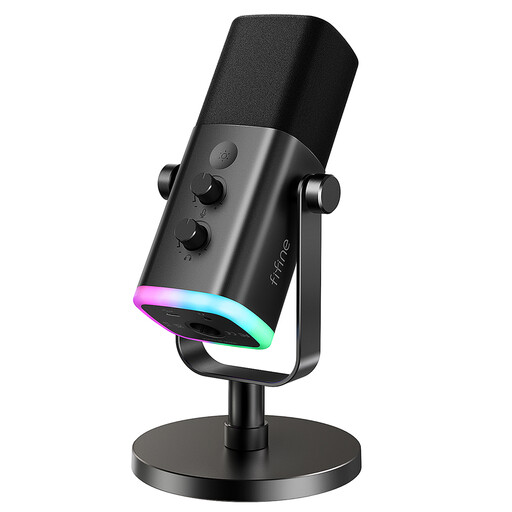
FIFINE AM8 dynamic USB/XLR microphone
For recording one person seated, when you can position the dynamic microphone suitably in front of you.
USB-C connection; headphone socket with monitoring volume, gain control and mute. A desk stand is listed as included.
View at Joybuy
 No image available
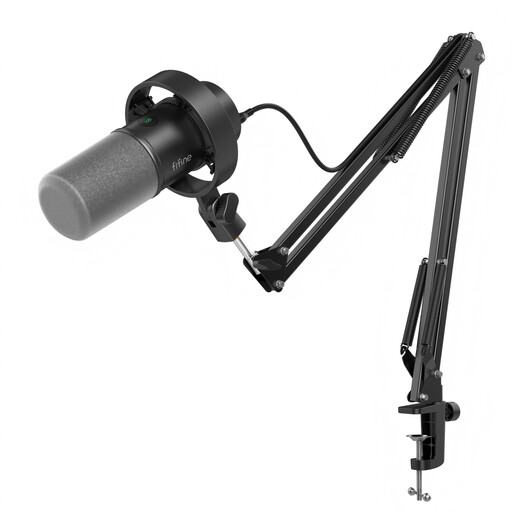
FIFINE K688CT USB/XLR microphone kit with boom arm
For recording speech on a computer when you want to position the microphone flexibly at your seat using a boom arm.
Dynamic USB/XLR microphone with gain control, mute and headphone monitoring. The desk clamp is described as suitable for desks less than 2 inches thick.
View at Joybuy
 No image available
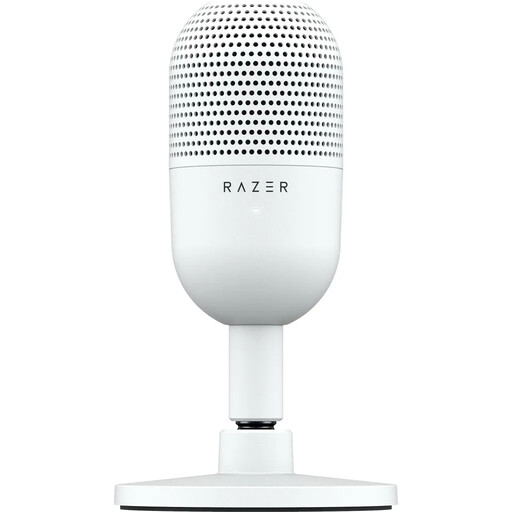
Razer SEIRÉN V3 MINI White USB microphone
For recording over USB at a table when you want to angle the microphone towards the seated speaker using its stand.
Condenser microphone with USB-C connection and supercardioid polar pattern. An adjustable tilt stand, tap-to-mute functionality and USB-C cable are listed as included.
View at Joybuy
 No image available
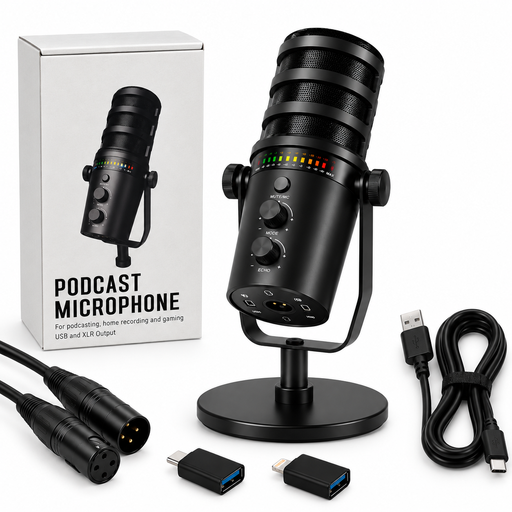
Dynamic USB/XLR microphone kit with desk stand
For recording speech while seated at a table when you want to connect a dynamic microphone via USB and monitor the audio as you prepare.
A cardioid pattern, gain control, mute and real-time monitoring through a headphone socket are listed. The description says a desk stand and USB cable are included in the set.
View at Joybuy
 No image available
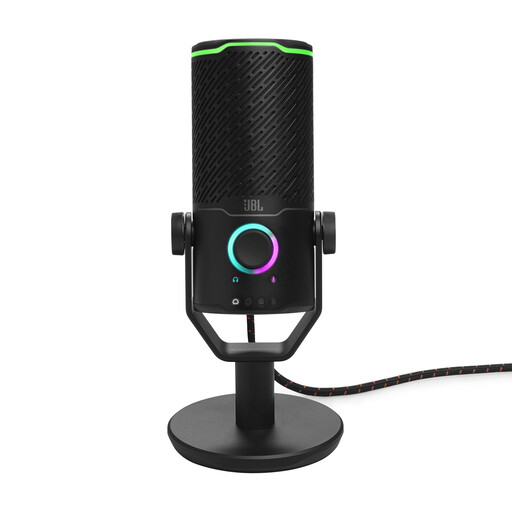
JBL Quantum Stream Studio USB-C condenser microphone
For recording over USB on a computer when you want to monitor the audio directly and choose a polar pattern to suit the recording.
The description lists selectable polar patterns, including cardioid for solo recording, direct monitoring, a level display and mute.
View at Joybuy
Frequently asked questions
Does a dynamic microphone need to be right in front of the speaker?
It depends on the model and setup. For the dynamic USB microphones discussed here, Audio-Technica recommends positioning the microphone close to the speaker. Test the specific model’s position and desk stand from the seat where it will be used.
How can I check the recording before the anniversary message?
Record a short section from the seat where the speaker will be sitting, using both their normal and more emphatic speaking voice, then listen back to the saved file. Check the levels and background noise, and make sure the speaker can sit comfortably. A list of features won’t replace this test.
What extra equipment might I need for the recording?
It depends on the version you choose: the ATR2100x-USB is described as including a desk stand and USB cable, Sennheiser’s Profile USB comes with different items depending on the version, and Shure also offers the MV7+ without a desk stand. You’ll also need suitable headphones if you don’t already have a pair for monitoring.
Can the club record someone’s voice and publish the message?
There isn’t a blanket answer that applies to every recording and publication method. § 201 StGB concerns the unauthorised recording of another person’s non-public speech. Processing personal data within the club also requires a legal basis. Before recording, agree with the speaker on the purpose, intended audience and whether the message may be published. According to guidance from the German Data Protection Conference, consent is only valid if it is given freely, relates to a specific case and is informed.


