Family history with one narrator
If you want to record someone speaking while seated, you can point a cardioid microphone towards them. A test recording will show how it sounds in the room you’re using.


If one person is doing most of the talking, a cardioid USB microphone aimed at them is a sensible place to start. A short test recording will show whether the voice, recording level and room noise are right from the chosen seat. Then decide whether easy-to-reach controls, headphone monitoring or the option to record several people matters most to you.
If you want to record someone speaking while seated, you can point a cardioid microphone towards them. A test recording will show how it sounds in the room you’re using.
If you want to keep setup to a minimum before the conversation and adjust the recording level or headphone volume directly, look for accessible controls and suitable connections.
If other family members might join the narrator at the table, a microphone with switchable pickup patterns could be a good option. Make a test recording to check how it picks up voices and room noise.
First, choose a microphone based on whether one person or several people will be speaking most of the time. Then compare how easy it is to position, the available connections and whether you can monitor the sound as you record.
| What matters | What to check before buying | Who it matters most to |
|---|---|---|
| Clarity of the narrator’s voice | Cardioid pickup pattern, positioning by the seat and a short listening test. | If I want to focus on the voice of someone sitting down, I’ll check the positioning with a test recording. Around 36 % of consumers put clear narration first. |
| Getting started easily | Connection to the recording device, included cable, desk stand and the recording app required. | If I want to start the conversation without a lengthy setup, suitable connections and easy positioning are important. Around 29 % of consumers prioritise a simple setup. |
| Room and table noise | Pickup pattern, positioning and the results of a test recording in the room you’ll actually use. | If I’m recording at a particular table, I’ll want to hear how the surrounding noise affects the voice. Around 21 % of consumers put room and table noise first. |
| Monitoring sound while recording | Headphone socket, easy-to-reach volume and gain controls, and a saved test recording. | If I’m recording a longer story, I’ll want to spot sound problems during the conversation if possible. Around 14 % of consumers prioritise monitoring sound as they record. |
According to the manufacturer, the omnidirectional mode on the CHERRY UM 6.0 ADVANCED picks up sound from all directions. This can be useful when several people are talking around a table, but it also captures noise from more directions.
For a single narrator, start by pointing the microphone towards them. Only compare it with omnidirectional mode using a test recording if several people will actually be speaking.
The RØDE NT-USB Mini comes with a USB-C-to-USB-A cable, according to the manufacturer. If your device has a different connection, you may need a different cable or adapter.
Before buying, check your recording device’s connections and compatibility, as well as what’s included in the box.
A headphone output and accessible controls let you monitor the sound, but they don’t confirm that the recording app is using the right input or saving a playable file.
Select the microphone as the input on your recording device and play back a short saved test recording before the conversation begins.
The Profile USB Microphone is a USB-C desk microphone with a cardioid pickup pattern, designed to be aimed at the person speaking.
The NT-USB Mini is a compact cardioid USB microphone for speech recorded in a fixed position.
According to the manufacturer, the UM 6.0 ADVANCED lets you switch between cardioid and omnidirectional modes.
Yeti is a range of USB microphones with several pickup patterns and controls on the microphone itself.
This selection includes desk microphones for focused voice recording, as well as a wireless lavalier set for interviews. Positioning and connections vary by model.
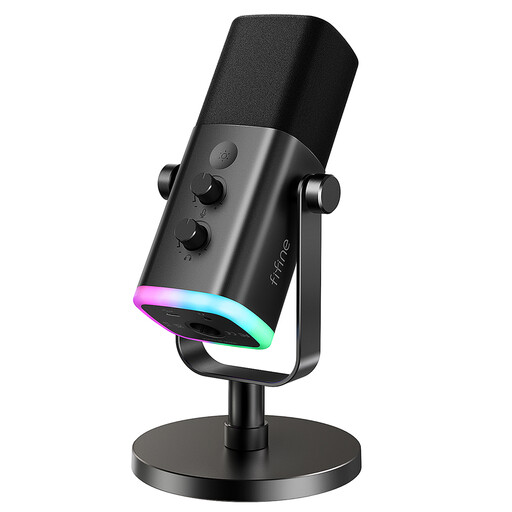 No image available
The cardioid pickup pattern and tilting desk stand let you position the microphone towards a seated narrator.
USB and XLR connections, gain control and headphone monitoring. A separate XLR cable is required for the XLR connection described.
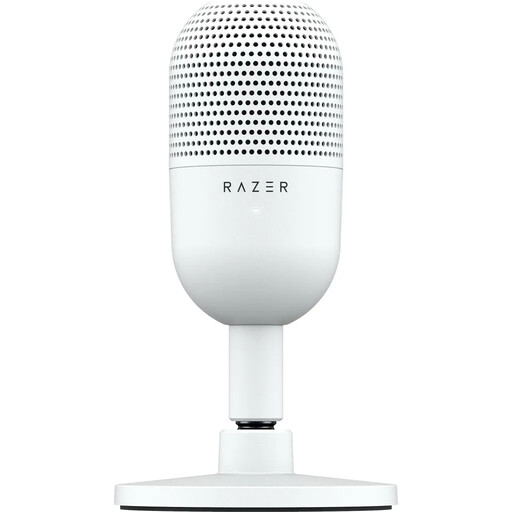 No image available
The supercardioid pickup pattern and adjustable tilt stand are designed to help you position it at a desk.
USB microphone with tap-to-mute; according to the description, it’s plug and play, with no driver installation required.
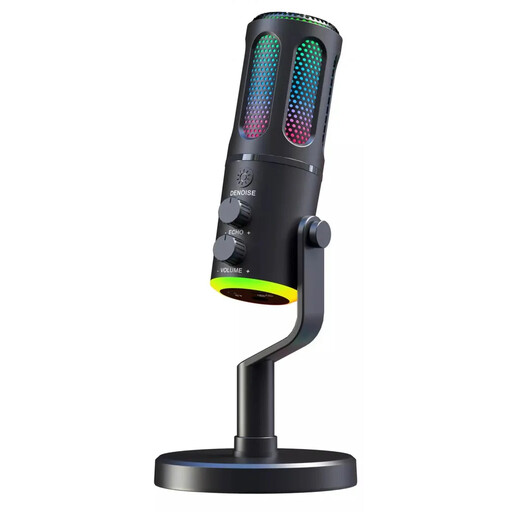 No image available
The cardioid pickup pattern and desk design described make it suitable for aiming at one person speaking.
USB microphone with headphone monitoring, volume control and a mute button. The description says it’s plug and play, with no driver installation required.
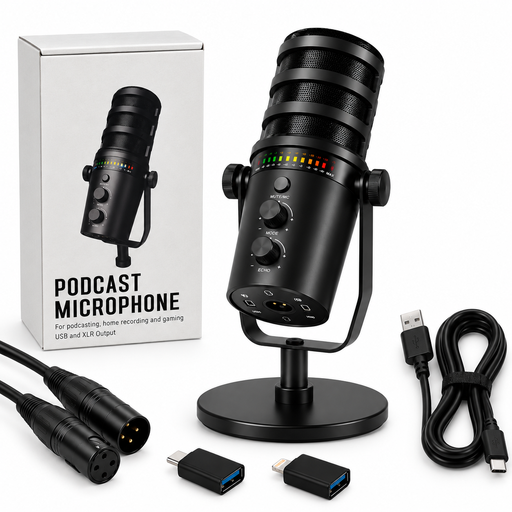 No image available
The cardioid pickup pattern and desk stand let you position the microphone towards the person speaking.
The product description lists USB and XLR connection options, as well as gain control, mute and headphone monitoring.
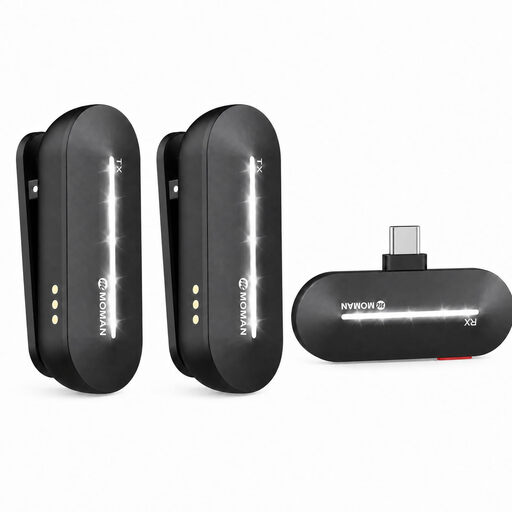 No image available
This set is described as suitable for interviews and includes two transmitters, so it could be an option for a two-person conversation.
USB-C connection; the product description lists a range of 150 m and up to 6 hours of battery life per transmitter.
Position the microphone by the seat you plan to use, select it as the input on your recording device and save a short test recording beforehand. For the RØDE NT-USB Mini, the manufacturer explains how to select it as the audio input and output in your system settings. The Sennheiser Profile’s gain indicator and headphone socket make monitoring easier, according to the manufacturer.
Not necessarily. If both people will be speaking around the same desk microphone, the CHERRY UM 6.0 ADVANCED has an omnidirectional mode, according to the manufacturer. Make a test recording to check that both voices are clear and that extra room noise isn’t distracting.
Check that what’s included in the box is compatible with your recording device’s connections; according to the manufacturer, the RØDE NT-USB Mini comes with a USB-C-to-USB-A cable. If a new product is faulty in Germany, you can generally contact the seller under your statutory warranty rights. A manufacturer’s guarantee has its own terms and conditions.
Section 201 of the German Criminal Code makes it a criminal offence to record another person’s privately spoken words on an audio device without authorisation. So, before recording, make sure everyone whose words will be captured knows about it. Whether and under what other conditions a recording may later be published is a separate question from permission to record it.