Solo performer in a reverberant room
If you record roles one at a time, you can position a directional microphone close to the speaker and keep it as consistent as possible for each take.


For recording roles one at a time, a directional dynamic USB microphone that you can position close to the speaker and keep in place between takes is a sensible starting point. However, it won’t eliminate room reverberation. For simultaneous dialogue, separate microphones and a compatible shared recording setup matter more, while sharing a single microphone can make it harder to distinguish between voices.
If you record roles one at a time, you can position a directional microphone close to the speaker and keep it as consistent as possible for each take.
For dialogue spoken simultaneously, you should also plan for separate microphones, suitable connections and the recording software you’ll be using.
If you want the convenience of USB recording, direct monitoring or the option to switch to XLR later, check the connections and features of the specific model.
First decide whether you’ll record roles individually or dialogue simultaneously. For solo recordings, it’s important to be able to position the microphone consistently and make a test recording in the room. For live dialogue, your shared multi-microphone setup needs to work with your equipment and software.
| What matters | What to look for | Who it matters most to |
|---|---|---|
| Reducing room reverberation and background noise | Check the polar pattern, speaking position and mounting options; listen to a test recording made where you intend to record. | If I can record individual roles close to the microphone, I want to keep room sound to a minimum. Around 36% of consumers prioritise this. |
| Separating voices during live dialogue | Check how many people will speak at once, whether you can record separate tracks, and whether the software and microphones are compatible. | If several people perform at the same time, I want to be able to edit their voices separately. Around 29% of consumers put this first. |
| Recording and monitoring as you go | Check whether the specific model has a headphone socket, monitor volume control, the USB cable you need and a stand included. | If I want to record without a separate interface and check the take straight away, a simple setup is important. Around 21% of consumers prioritise this. |
| Flexible positioning | Try out the polar pattern, adjustable mount or microphone arm, and the recording distance you’ll actually need. | If I need more freedom of movement or different distances for different roles, I want to be able to adjust the position. Around 14% of consumers prioritise this. |
A dynamic capsule won’t make room reflections inaudible. Microphone direction and distance from the speaker also affect the recording; according to Shure, getting closer can also increase the bass response.
Try the intended speaking position in the room where you’ll be recording before choosing a microphone for your audio drama.
Sharing a microphone gives you fewer options for editing voices separately during simultaneous dialogue. And multiple USB microphones won’t necessarily work together as a single setup.
Before buying, decide whether you’ll record the roles one at a time or simultaneously, and whether you need separate tracks. Check that your specific software supports the microphones you plan to use.
Connections and included accessories can vary between models and packages.
Check the full model name, connections and contents of the specific offer.
The ATR2100x-USB is a dynamic USB/XLR microphone with a cardioid polar pattern, designed for close-up voice recording.
The PodMic USB combines a dynamic microphone with USB and XLR connections.
The dynamic MV7+ offers USB-C and XLR connections, as well as digital signal processing.
Samson describes the Q2U as a dynamic USB/XLR microphone for voice recording.
The Profile USB Microphone is a USB-C condenser alternative with a cardioid polar pattern and on-mic controls.
This selection includes dynamic USB microphones for close-up solo recordings, as well as USB condenser microphones with different polar patterns. For each model, check that its recording style suits your room and the distance between you and the microphone.
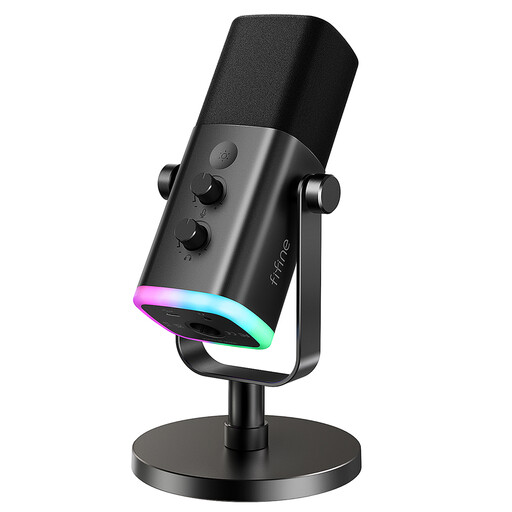 No image available
For recording individual roles close to the capsule, with direct headphone monitoring.
Dynamic, unidirectional capsule; the product description recommends a distance of 2–6 inches. USB-C and XLR connections, headphone monitoring, a gain control and a desktop stand are listed. The description says an XLR cable and microphone arm are not included.
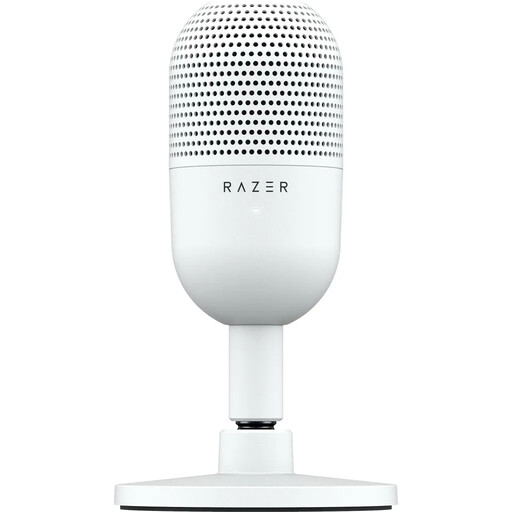 No image available
For focused solo recordings where you want to adjust the microphone position between takes.
USB microphone with a supercardioid polar pattern, tilting stand, built-in shock absorption and tap-to-mute function.
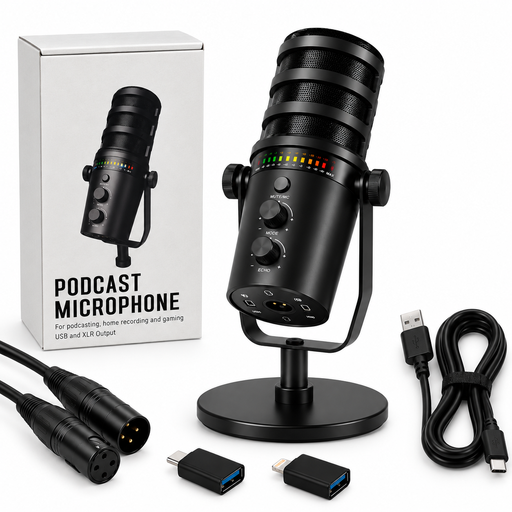 No image available
For close-up solo recordings with direct monitoring and the option to use the listed USB or XLR connection.
Dynamic cardioid pattern; the product description recommends a distance of 2–6 inches. A headphone socket, monitor volume control, gain control and desktop stand are listed.
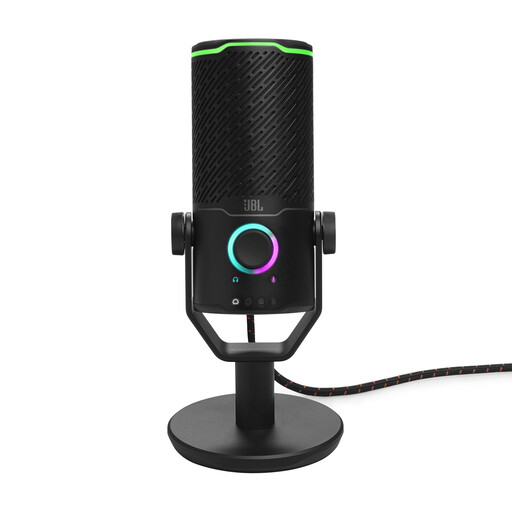 No image available
For solo recordings where you want to choose a polar pattern and monitor the audio as you speak.
USB-C condenser microphone with selectable recording patterns, including cardioid, and direct monitoring.
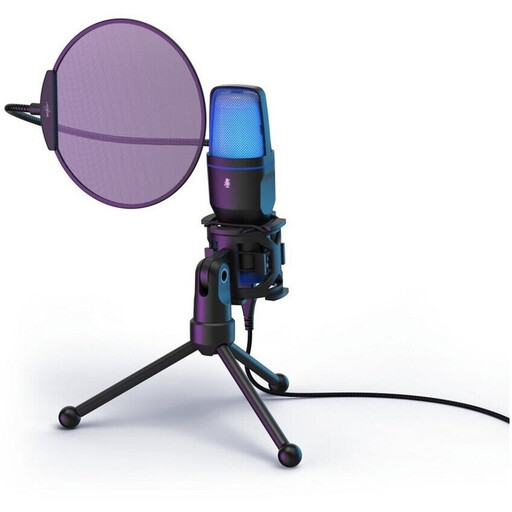 No image available
For a USB recording setup with mute and pop filter. If you’re recording solo in a reverberant room, pay particular attention to the polar pattern.
The product description lists an omnidirectional polar pattern, touch mute, pop filter and desktop tripod. An omnidirectional pattern is less suitable if you want to capture as little room sound as possible when recording solo.
Not without first checking that your specific software and microphones work together. RØDE describes RØDE Connect as a solution for using multiple RØDE USB microphones and recommends an active USB hub when using several devices.
Start by speaking close to and in front of the directional capsule. Listen through headphones and check for reverberation, plosive sounds and levels. Keep the distance as consistent as possible between takes. According to Shure, getting very close to a directional microphone can boost low frequencies.
Generally, no, if you’re recording directly over USB on a compatible computer. If you use the XLR output of a hybrid model instead, you’ll need a suitable analogue microphone input, such as one on an interface or mixing desk.
For a consumer purchase, your statutory rights against the seller are separate from any voluntary guarantee. If a product is faulty, the first step may be to request a repair or replacement. The Verbraucherzentrale states that new goods are generally covered by a two-year statutory warranty period.
Not simply because you own a microphone. Copyright law covers, among other things, the reproduction and making available to the public of works. Rights belonging to performers may also apply to recorded performances. Whether a particular recording and publication is permitted depends on the rights involved and the permissions granted.