What to look for when buying
Directional dynamic microphone without dedicated fan-noise processing
A good fit if: you can record a solo speech close to the microphone and keep your position fairly consistent.
The trade-off: You’ll need to hold your position; this microphone type won’t automatically remove audible fan noise.
Directional USB microphone with noise processing
A good fit if: you can’t switch off the fan and can record close to the microphone, comparing a processed test recording with an unprocessed one. Shure says the MV7+ Real-time Denoiser is designed for consistent noises such as fans.
The trade-off: Check that quiet syllables are still clear in your recording; some MV7+ settings require the compatible app.
Directional USB condenser microphone
A good fit if: you can switch off the fan or quieten the room, and need a little more flexibility with positioning when gesturing.
The trade-off: At greater distances, more room sound and fan noise may come through in the recording, so test it in the place where you’ll actually record.
For a clear audition speech, it’s not just the type of microphone that matters: your voice, the fan, the distance and the direction of the microphone all need to work together in your planned setup.
| What matters |
What to look for |
Who it matters most to |
| Clear speech with fan noise |
Polar pattern and microphone direction; make a test recording with the fan running and listen out for quiet words, too. |
If I can’t switch off the fan, I want to record a clear voice with my actual setup. Around 36% of consumers put speech clarity with fan noise first. |
| Controlling quiet and loud passages |
Check whether the specific model has a gain control, a level or clipping indicator, and a headphone socket. |
When my speaking volume varies a lot, I want to listen back to quiet words and loud passages in the same test recording. Around 29% of consumers prioritise vocal dynamics when choosing. |
| Freedom to move and framing |
Check where the microphone and mount will sit when you’re in your actual performing position; test picture and sound together. |
If I want to gesture or stand during my self-tape, I want the microphone to interfere as little as possible with the shot. Around 21% of consumers put freedom of movement first. |
| Connections and complete setup |
Check USB compatibility, exactly what’s included, the mount and any monitoring equipment you’ll need. |
For an easy setup, I want to know whether the cables, stand and headphones will work for my recording. Around 14% of consumers prioritise connections and setup. |
Joybuy products for voice recording
This Joybuy selection includes dynamic USB microphones and USB condenser models. For your audition speech, compare the polar pattern, connection, monitoring options and microphone position with the fan running.
 No image available
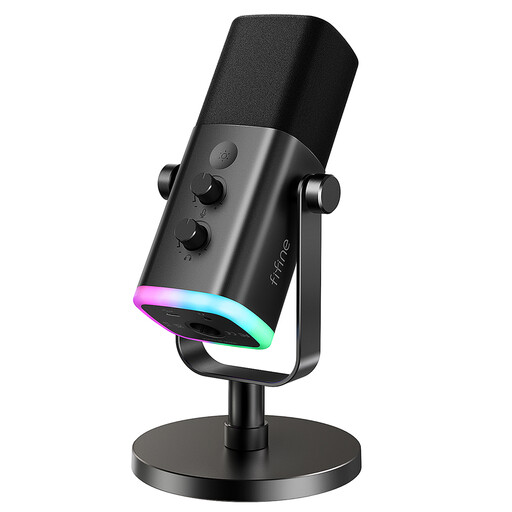
FIFINE AM8 USB/XLR microphone
An option for close-up voice recording if you want to monitor your levels and sound as you record.
Dynamic and unidirectional, with a gain control, headphone socket with monitoring, RGB lighting and desktop stand listed. The description says a microphone arm isn’t included in the package.
View at Joybuy
 No image available
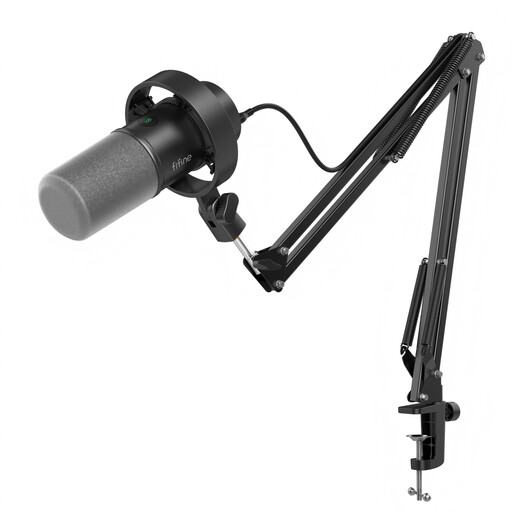
FIFINE K688CT USB/XLR microphone kit
Suitable if you want to set up a close-up voice recording with gain control and direct monitoring.
Dynamic microphone with a cardioid polar pattern and adjustable microphone arm. The description recommends a distance of 2 to 6 inches. Gain control and headphone monitoring are available over USB; an XLR cable isn’t included.
View at Joybuy
 No image available
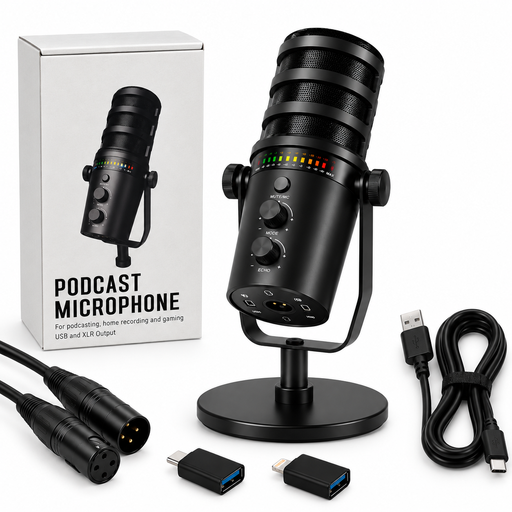
Dynamic USB/XLR microphone set
An option for USB voice recording if you want to use gain control and a headphone socket.
Dynamic microphone with a cardioid polar pattern. Gain control, mute function, headphone socket and desktop stand are listed; the product name also mentions RGB and echo.
View at Joybuy
 No image available
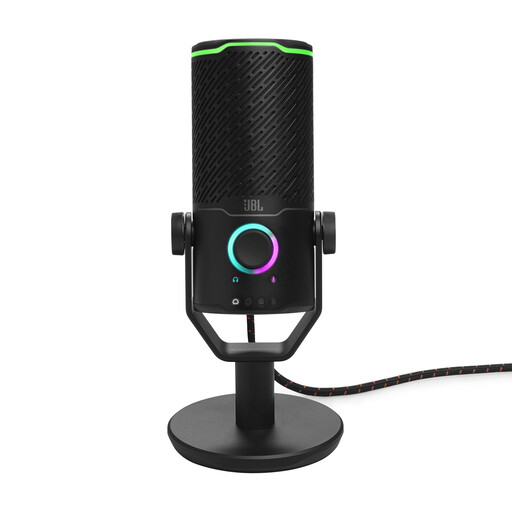
JBL Quantum Stream Studio USB-C
An option if you want to use a selectable cardioid polar pattern and direct monitoring for a solo recording.
Condenser microphone with selectable polar patterns, including cardioid, a compressor and a VU meter. The software-based noise reduction described requires JBL QuantumENGINE.
View at Joybuy
 No image available
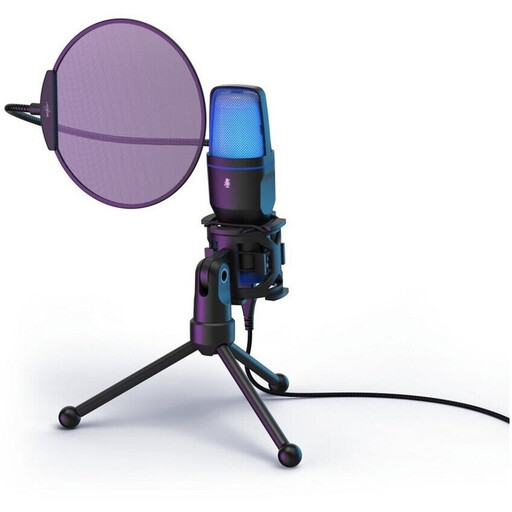
Stream 410 HD gaming microphone
If you’re considering this model for an audition speech, pay particular attention to whether its pickup pattern suits the position of your fan.
USB condenser microphone with an explicitly omnidirectional pickup pattern. A desktop tripod and shock mount are listed as mounting options; the pattern isn’t limited to picking up sound from a specific direction towards your voice.
View at Joybuy
Frequently asked questions
Does a cardioid polar pattern remove fan noise from a recording?
No, it doesn’t guarantee a noise-free recording. Depending on its direction, a microphone picks up sound more strongly from some areas than others. So test the distance and microphone position with the fan on, and listen out for quiet words, too.
How do I test a USB microphone for my audition speech?
Record a complete passage in the place where you plan to perform, then listen back to the quiet and loud parts with the fan running. For a self-tape, also check whether the microphone and mount get in the way of your shot.
What should I check is included?
Check the exact model and package against your setup: the cables, stand, mount and headphones you need can all make a difference. Shure’s checked list of what’s included with the MV7+ alone doesn’t include a stand.
What are my rights when buying a microphone online in Germany?
Online consumer purchases generally come with a 14-day right to cancel, as explained by the Verbraucherzentrale. This right is separate from your statutory rights if goods are faulty; a guarantee is voluntary.
Can I record other people without them knowing?
Don’t assume that recording someone without their knowledge is allowed: Section 201 of the German Criminal Code (StGB) covers the unauthorised recording of another person’s non-public speech. If other people will be heard, check that you have permission to record them first; the provision doesn’t apply to a speech you record on your own.


