Building a film collection
You want to store your existing and future private films on a portable drive while keeping a separate backup.


Choose the capacity based on the size of your existing film files and how much you expect your collection to grow. Then check the connectors and file system, as well as the specific model’s write speed if you’ll be copying files frequently. An encrypted USB stick can make it harder for someone to access private films if it’s lost, but it’s no substitute for a separate backup—and you should check that you can restore files from it.
You want to store your existing and future private films on a portable drive while keeping a separate backup.
You copy films between devices with different connectors or operating systems, and need to be able to open large individual files too.
Other people share the space, so you want to know who could access a USB stick if it were left behind or lost.
| What you need | What to check before buying | Who should pay particular attention? |
|---|---|---|
| Space for your film collection | Allow for file sizes and expected growth; check the usable storage on the version you choose. | If my collection is growing, I want to make sure there’s enough space rather than relying on a general estimate of how many films it can hold. For around 24% of consumers, having enough storage is the main concern. |
| Restoring your films | Keep a separate backup in another secure location, and check that you can open or restore files from it. | If my recordings would be difficult to replace, I want to be able to access a readable copy even if my working USB stick is lost or damaged. Around 24% of consumers say preserving their films is their main concern. |
| Device compatibility | Check that USB-A or USB-C connectors and supported file systems are compatible with all the devices you’ll use. Don’t assume FAT32 will work with individual files of 4 GB or more. | If I need to open films on different studio devices, compatible connectors and support for large files are important to me. Around 19% of consumers prioritise device compatibility. |
| Copying time | Check the read and write speeds for the exact model separately; manufacturers’ maximum figures don’t guarantee actual copy times. | If I often transfer large film files, I want to know how quickly the USB stick can actually write them. Around 19% of consumers say copying time is their main priority. |
| Access protection | Consider who can access the room and the USB stick; check the specific model’s encryption, PIN management and any manufacturer updates required. | If other people might get hold of the USB stick, I want to restrict access to my private recordings. Around 14% of consumers say access protection is their most important consideration when buying. |
Reading and writing are different processes, and the stated speeds can vary between models and versions.
Check the write speed for the exact model, and don’t treat manufacturers’ maximum figures as guaranteed copying speeds.
It’s impossible to predict exactly how long a storage device will last. You also need to make sure any backup you have can be read.
Keep a separate copy and check that you can restore your files from it.
FAT32 can’t store an individual file of 4 GB or more. Formatting a drive also deletes any data already on it.
Check your file sizes and target devices before buying. Back up any existing films before formatting a drive.
For the 128 GB Verbatim Keypad Secure USB-A, the manufacturer requires reformatting after 20 incorrect code entries and advises installing a security update.
Follow the manufacturer’s advice on the update, and keep a separate backup regardless of the PIN.
The DataTraveler Duo is designed for switching between USB-A and USB-C devices.
The JetFlash 930C has USB-A and USB-C connectors, making it worth considering if you often transfer large files.
The 128 GB Keypad Secure USB-A is aimed at people who want PIN-protected access in a shared space.
The 256 GB BAR Plus is a USB-A option if you want a compact stick to carry around and regularly read files from.
The product lines considered include the 128 GB Extreme Pro USB 3.1 Gen1 as a USB-A option and the 128 GB Ultra Dual Drive Luxe with two connectors.
The range includes USB-A sticks for film files, including 256 GB versions and models with a PIN keypad or USB-A and USB-C connectors.
 No image available
A 256 GB version for a film collection you plan to use with a USB-A device.
USB 3.2 Gen 1; USB Type-A; read speeds of up to 200 MB/s and write speeds of up to 60 MB/s.
 No image available
A 64 GB version for film files, if it has enough capacity for your collection and read and write speeds matter to you.
USB 3.2 Gen 1; read speeds of up to 220 MB/s and write speeds of up to 100 MB/s.
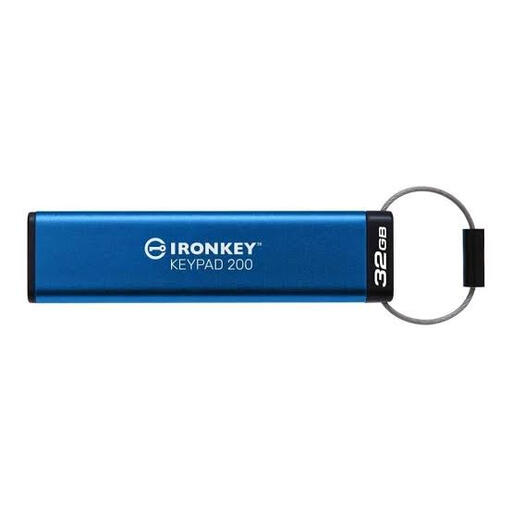 No image available
A version with a PIN keypad may be suitable if you want to restrict access to private films in a shared space; it’s no substitute for a separate backup.
32 GB; PIN entry via keypad and XTS-AES-256 hardware encryption.
 No image available
A 256 GB USB-A version for film files, if it has enough capacity for your collection.
USB 3.0; the product description lists SecureAccess software for password-protected encryption.
 No image available
This two-pack is an option if you need to transfer films between devices with USB-A and USB-C connectors. Also check that the file systems are compatible with the devices you’ll use.
USB 2.0; two sticks, each with 32 GB; USB-A and USB-C connectors.
Check the file system: FAT32 can’t store an individual file of 4 GB or more. exFAT can handle large files; back up any existing data before reformatting, and check that all the playback devices you plan to use can read exFAT.
No, not if you want to keep your recordings if the stick is damaged or lost. Germany’s Federal Office for Information Security recommends keeping a separate backup and checking that you can restore it. It’s impossible to predict exactly how long a single storage device will last.
USB sticks can spread malware between devices. Check which computers and storage devices you’re allowed to use in the studio, and don’t open unknown files or someone else’s USB stick without checking them first.
For an ordinary purchase, statutory claims for defects generally expire two years after delivery. Under § 439 BGB, subsequent performance may involve repairing the defect or supplying a fault-free item; this is separate from a voluntary manufacturer’s warranty. The applicable statutory requirements depend on the circumstances of each case.