People using devices with different ports
If you switch between devices with USB-A and USB-C when copying files, a stick with both types of connector can make things easier. Verbatim and Transcend offer models with both.


Choose a connector that matches your devices. A USB-A stick is enough for devices with a USB-A port, while a model with both USB-A and USB-C makes it easier to switch between the two. F.A.Z. Kaufkompass points out that read and write speeds can vary between capacities in the same product range, so compare the figures for the specific version you’re considering. If your files contain personal data, make sure the security measures work with the computers in the studio and that you can unlock the stick on them. The BfDI generally recommends encrypting USB storage, but does not recommend a specific model.
If you switch between devices with USB-A and USB-C when copying files, a stick with both types of connector can make things easier. Verbatim and Transcend offer models with both.
If you regularly transfer large collections of handouts, it’s worth checking the specific write speeds. F.A.Z. Kaufkompass points out that read and write speeds can vary between capacities within the same product range.
If workshop files contain personal information, consider how sensitive they are and who can access the computers you use. The BfDI generally recommends encrypting USB storage to prevent unauthorised access if it’s lost.
First check the ports on all your devices, then compare write speeds and consider how much protection your files need.
| What to consider | What to look for | Who it matters most to |
|---|---|---|
| Connectivity and compatibility | Check the ports on every device involved. For smartphones and tablets, you’ll also need to check support for external storage. Verbatim and Transcend list USB-A and USB-C for their respective dual-connector models. | If I want to use the same stick with devices that have different ports, the right connector matters. Around 33% of consumers put connector compatibility first. |
| File security | Consider whether your files contain confidential or personal information, and whether you can unlock the encrypted drive on the computers you plan to use. The BfDI generally recommends encrypting USB storage. | If my documents contain sensitive information, I want to check both the protection and how to unlock the drive on the shared computers. Around 25% of consumers prioritise file security. |
| Copying time | Compare the read and write speeds for the specific capacity. F.A.Z. Kaufkompass points out that speeds can vary between capacities in the same product range. Manufacturers’ maximum speeds aren’t measurements taken on the studio computer. | When I regularly transfer large collections of files, I mainly want to know how quickly the stick can write data. Around 25% of consumers put copying time first. |
| Storage and portability | Estimate how much space your files need. For individual files over 4 GiB, the file system matters too: Microsoft gives FAT32 a maximum file size of 4 GiB. Check that the file system is supported by the devices you’ll use. | If I mostly carry shared handouts, I need enough storage and a fuss-free option. Around 17% of consumers prioritise being able to transport documents easily. |
Write speed matters too when you’re copying files onto a stick. F.A.Z. Kaufkompass also points out that speeds can vary between capacities in the same product range.
Compare the read and write speeds for the specific capacity. Don’t treat manufacturers’ maximum speeds as guaranteed performance on the studio computer.
An encrypted stick may have specific system requirements. According to Kingston, repeated incorrect password attempts on the Kingston IronKey Locker+ 50 G2 can lock the drive or erase its data.
Check that you can unlock it on the authorised computers before you rely on it, and keep a separate backup of your documents.
With FAT32, a single file can be no larger than 4 GiB, according to Microsoft. Having more free storage doesn’t remove this limit.
For large individual files, check the file system and whether all the devices involved support it.
The DataTraveler Exodia M and IronKey Locker+ 50 G2 ranges cover different USB-A use cases.
The 64 GB Dual USB Drive #49967 is designed for switching between USB-A and USB-C devices.
The JetFlash 930C is designed for switching between USB-A and USB-C devices.
The 64 GB Ultra Flair model featured here is a USB-A alternative with a metal casing.
This selection includes USB sticks for making copies of handouts: straightforward USB-A options, models for switching between USB-A and USB-C, and an encrypted stick.
 No product image available
For copying files on devices with a USB-A port; the product details specify Type-A host devices.
USB 3.2 Gen 1; metal casing; 220 MB/s listed as a speed in the product name, with no indication of whether this is read or write speed.
 No product image available
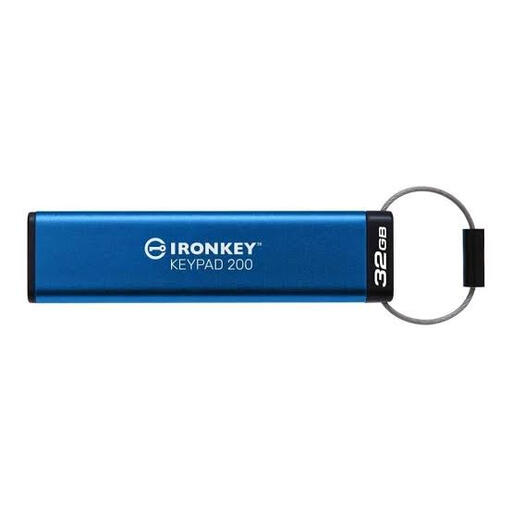
For confidential files if entering a PIN on the built-in keypad fits your workflow.
32 GB; product details list XTS-AES-256-bit hardware encryption and PIN entry via the keypad.
 No product image available
For switching between USB-A and USB-C devices. Check that mobile devices support external storage.
Two sticks, each with 32 GB; USB 2.0; swivel design.
 No product image available
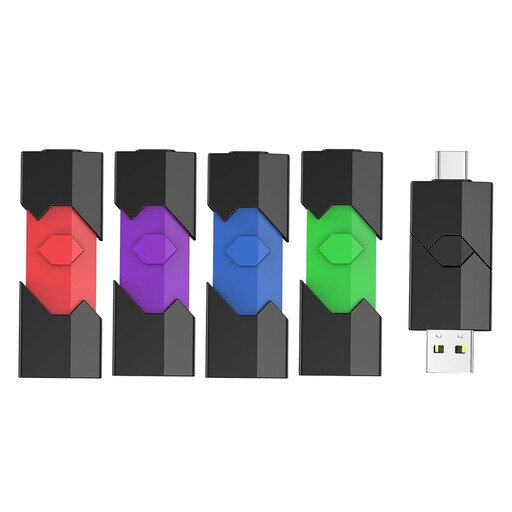
For copying files to multiple devices or sharing them with several people when both USB-A and USB-C ports are needed.
Five sticks, each with 32 GB; USB 2.0; retractable design.
 No product image available
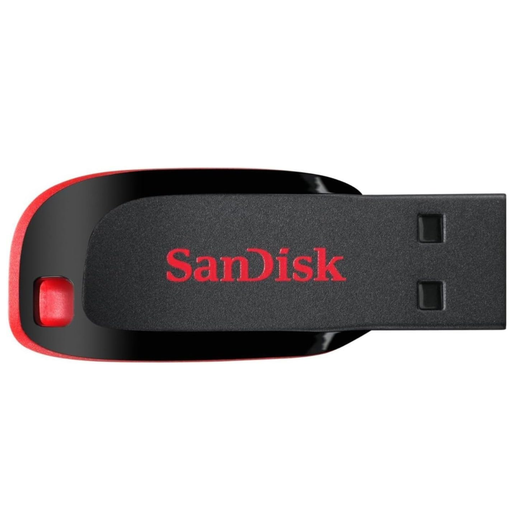
For carrying documents if 64 GB is right for your storage needs.
64 GB; the product description lists an integrated keyring loop.
No. Check which port is available and, for mobile devices, whether they support external storage or USB-OTG. A stick with USB-A and USB-C covers both connector types, but won’t necessarily work with every device configuration.
With FAT32, a single file can be no larger than 4 GiB, according to Microsoft. Before reformatting, back up your files and check the file system and whether the target devices support an alternative format.
The official guidance doesn’t set a blanket requirement for this specific type of product. If personal data is being processed, those responsible must decide on appropriate technical and organisational measures based on the risks. The BfDI generally recommends encrypting USB storage to prevent unauthorised access if it’s lost.
Not automatically. The Federal Ministry of Justice and the Federal Office of Justice explain that Section 16 of the German Copyright Act (UrhG) gives the right to make copies of a work. Whether you can reproduce and share specific materials depends, among other things, on the rights involved or whether a relevant permission applies. Check the position for the files in question.
If you’ll need the files again after losing the stick or if it becomes damaged, keep a separate backup. The Federal Office for Information Security recommends making backup copies to help prevent data loss.