Those who back up offline
If you work on your garden plans locally, keeping a separate copy can help if your device fails. The German Federal Office for Information Security recommends backing up your data regularly.


If you want to keep allotment plans off the cloud, a USB stick can be a good fit, provided its connector and file system work with your devices. For reliable backup, you’ll also need a separate copy stored elsewhere. The German Federal Office for Information Security recommends backing up your data regularly. If your plans are confidential, check how you can unlock encryption on your devices. For frequent or large transfers, pay attention to the write speeds of the specific model.
If you work on your garden plans locally, keeping a separate copy can help if your device fails. The German Federal Office for Information Security recommends backing up your data regularly.
If you transfer plans between devices with USB-A and USB-C ports, check that both devices can read and write the file system too. Apple explains the formatting options for sharing files with Windows.
If your files contain information you don’t want others to access if the stick is lost, the unlock method matters. The German Federal Office for Information Security explains how encryption can help protect your data.
First, decide whether you need a separate backup, to switch between devices or to protect access to your files. Then compare capacity and write speed with the size of your files.
| What you need | What to look for when buying | Who is this important for? |
|---|---|---|
| Separate offline copy | Compare the size of your folders with the available capacity, and decide where to keep the second copy separately. | If I work without the cloud, I want to be able to recover my plans if a device fails. Around 33% of consumers prioritise a separate offline backup. |
| Confidential files | Check whether the specific model offers encryption and how to unlock it on the devices you use. | If I don’t want plans or the personal information they contain to be exposed if the stick is lost, access protection matters to me. Around 27% of consumers put confidentiality first. |
| Switching between devices | Check the USB-A and USB-C ports, as well as the file systems supported by both devices. | If I want to move plans between devices with different ports, I need the right physical connector and files that can be read. Around 20% of consumers prioritise switching between devices. |
| Storage space and transfer time | Check the size of your folders and the write speed listed for the specific model, not just its read speed. | If I copy larger folders or updated versions regularly, I look for enough storage space and a good write speed. Around 20% of consumers prioritise storage space and transfer time. |
A stick isn’t a separate backup if it’s the only place your working file is stored. If it’s lost or damaged, you may not be able to recover your plans.
If you don’t use the cloud, make a second copy and store it separately. Update it after important changes. The German Federal Office for Information Security recommends backing up your data regularly.
If you lose the only copy, you may have to recreate your plans from scratch.
The interface speeds described by the USB Implementers Forum don’t automatically reflect the actual write speed you’ll get from a USB stick.
Compare the write speeds for the version you want and, if available, independent test results for that exact model.
If you change files often, slow write speeds can mean longer waits.
USB-A and USB-C refer to connector types. Having the right connector doesn’t necessarily mean the target device can read the file system.
Before buying, check the ports and supported file systems on both devices. Back up any existing files before reformatting a stick.
Depending on your devices, you may need to reformat the stick or use an extra transfer step.
Encryption can protect stored information from unauthorised access, but it won’t protect your only copy of a file from being lost.
Plan how you’ll unlock your files and store a separate backup independently of each other.
DataTraveler Exodia is a USB-A range for keeping local copies of documents.
Ultra Dual Drive Luxe offers a USB-A/USB-C option, while Extreme PRO is a separate USB-A range designed for larger files.
Keypad Secure is aimed at buyers looking for a hardware-encrypted option with a keypad.
High Speed Line is a USB-A option for making regular local copies.
JetFlash 890 is designed for switching between devices with USB-A and USB-C ports.
This selection includes USB sticks for storing files locally, keeping separate copies, switching between devices and handling confidential files.
 No image available
For storing documents and making local copies when your devices have a USB-A port.
256 GB; USB Type-A; USB 3.2 Gen 1; read speeds of up to 200 MB/s and write speeds of up to 60 MB/s.
The stated speeds don’t guarantee that you’ll achieve the same results when transferring your files.
 No image available
For transferring files between devices with USB-A and USB-C ports; also check file system compatibility.
USB 2.0; two sticks, each with 32 GB; USB-A and USB-C. The description lists Windows, Mac OS and Android as compatible systems.
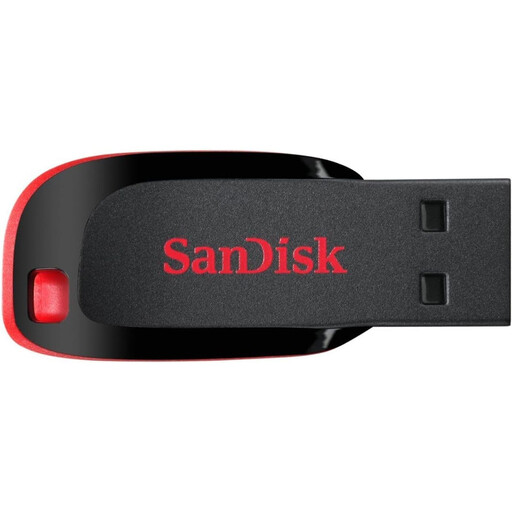 No image available
For storing documents locally; the description also mentions password protection for files.
32 GB; USB 2.0; read speeds of up to 70 MB/s; the description lists SanDisk SecureAccess with 128-bit AES encryption.
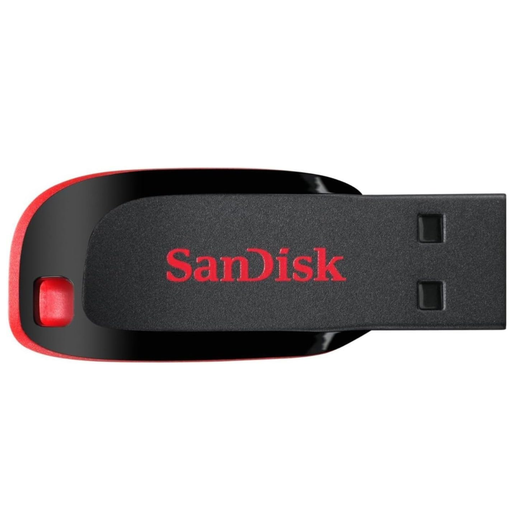 No image available
For storing files locally when you use a USB-A port and want password protection for your files.
64 GB; USB Type-A; USB 2.0; the description lists password protection and 128-bit AES encryption.
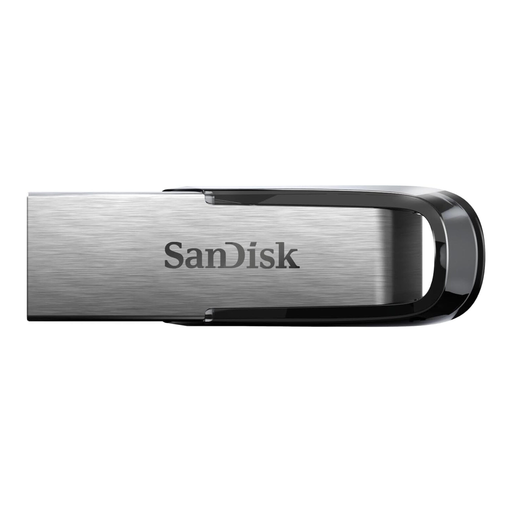 No image available
For larger local folders; pay particular attention to the stated write speed when comparing models.
128 GB; USB 3.0; read speeds of up to 150 MB/s; write speed of 4 MB/s; the description lists a password protection feature.
The write speed is an important point of comparison if you regularly transfer larger files.
No, not if you want to recover your files after a fault or loss. The German Federal Office for Information Security recommends regular external backups, so keep a separate copy as well as your working file.
First check that both devices support the stick and its format. Apple lists ExFAT in Disk Utility as a formatting option for drives over 32 GB that you want to use with Windows. Back up any existing files before reformatting the stick.
This doesn’t establish a general requirement to encrypt every USB stick used privately. Regulation (EU) 2016/679 excludes the processing of personal data by a natural person in the course of purely personal or household activities from its scope. If you’re working for an association, using the files commercially or handling personal data outside this private context, the specific circumstances need to be assessed separately. The German Federal Office for Information Security recommends encryption to protect data if a device is lost, regardless.
Your statutory rights against the seller are separate from any voluntary manufacturer’s warranty, as the Verbraucherzentrale (German Consumer Advice Centre) explains. For ordinary purchases, Section 438 of the German Civil Code (BGB) generally provides for a limitation period of two years from delivery. Check the terms of any additional manufacturer’s warranty separately.
The German Federal Office for Information Security recommends securely deleting personal data before passing on or disposing of a device, unless it is already securely encrypted or otherwise protected from access. Bear in mind that simple deletion methods have limitations when used with flash storage.