Who copies recordings in the studio?

People who move between studio devices

If you transfer recordings between a studio computer and your own device, the connector and file system need to work on both. Apple Support describes exFAT as a format option for external drives used with Mac and Windows.

Producers working with large sessions

For large recording folders, both the available storage and the size of the largest individual file matter. Microsoft Learn gives FAT32 a maximum file size of 4 GB.

People responsible for confidential recordings

If not everyone in a shared studio should be able to access recordings being transported, access control and a separate backup are two distinct requirements. The Federal Office for Information Security recommends keeping a physical backup in a different location from the computer being backed up.

What should you look for when buying?

What matters What to check before buying Who will find this important?
Connector and file system Check the USB-A and USB-C ports, and the file systems used by every device involved. Apple Support describes exFAT as an option for Mac and Windows; check that the other studio devices support it too. If I’m transferring recordings between devices with different ports, the stick needs to fit both and the files need to remain readable. Around 33% of consumers prioritise device compatibility.
Write speed Compare the write-speed specification for the exact model with the port on the studio computer. Manufacturers’ maximum speeds are not guaranteed sustained write speeds; when copying files to the stick, write speed is what matters. If I regularly copy large sessions to a stick, the time it takes to finish writing matters to me. Around 25% of consumers put transfer speed first.
Storage capacity and file size Check the total size of the recording folder and the largest individual file. With FAT32, a single file can be no larger than 4 GB, according to Microsoft Learn; any alternative format must work with all the target devices. If I’m transporting several recording folders, or ones that are growing, I want enough usable space and don’t want to be stopped by one large file. Around 25% of consumers prioritise storage capacity.
Access control and backup Check that the specific model’s security feature works with the devices used in the studio and fits the way passwords are managed there. Keep an additional copy separately for recovery. If I’m transporting confidential recordings, I want to limit access and be able to recover the recordings if I lose the stick. Around 17% of consumers focus mainly on confidentiality and keeping a separate backup.

Common buying mistakes

  • Confusing read speed with write speed

    A high read speed doesn’t automatically tell you how quickly recordings will copy to the stick. For example, Samsung gives read speeds of up to 400 MB/s and write speeds of up to 110 MB/s for its USB Flash Drive Type-C MUF-256DA/APC.

    Compare the write-speed specification for the exact version with the port on the studio computer. Treat maximum speeds as manufacturer claims, not guaranteed sustained performance.

  • Looking only at the stated capacity

    A high-capacity stick may still be unsuitable if the largest individual file exceeds the limit of its file system. With FAT32, the maximum file size is 4 GB, according to Microsoft Learn.

    Check the folder size and the largest recording before copying. Choose another file system only if all the devices involved support it, and back up any existing files before formatting.

  • Treating the copy you take with you as your only backup

    A stick that you take with you or pass on isn’t automatically a separately stored backup. The Federal Office for Information Security recommends keeping physical backup media in a different location from the computer being backed up.

    Keep an additional copy separately and check that you can open the files you need from it.

  • Assuming that being able to copy a recording means you have permission to use it

    Concert recordings may involve rights in the performance and the sound recording. The fact that a file can be copied doesn’t tell you whether making that copy is permitted in your particular case.

    Before copying or sharing it, check where the recording came from, what usage rights have been agreed and how you plan to use it.

Key brands to consider

Verbatim

The Dual QuickStick 128 GB is an option if the studio has both USB-A and USB-C ports.

  • Verbatim gives this version a write speed of up to 460 MB/s. This is a manufacturer’s maximum, not a guaranteed sustained write speed.
  • According to Verbatim, the included Nero backup software is for Windows only.

Kingston

DataTraveler Max is a USB-C range for large file transfers, while IronKey Locker+ 50 G2 is a separate range with password access and hardware encryption.

  • Kingston gives DataTraveler Max a write speed of up to 900 MB/s, depending on the host, software and usage. For the 256 GB version of IronKey Locker+ 50 G2, Kingston specifies XTS-AES-256 hardware encryption and write speeds of up to 115 MB/s.
  • IronKey range security features don’t automatically apply to DataTraveler Max. IronKey Locker+ 50 G2 with 256 GB is specified with USB-A; check that your device has the right USB-C port for DataTraveler Max.

Samsung

The USB Flash Drive Type-C MUF-256DA/APC is a 256 GB option for devices with USB-C.

  • Samsung gives it read speeds of up to 400 MB/s and write speeds of up to 110 MB/s.
  • Read speed isn’t the same as write speed. A USB-A connector isn’t specified for this model.

USB sticks at Joybuy

These USB sticks cover a range of storage needs, USB-A and USB-C connections, and models with access control for transporting recordings.

Kingston Technology DataTraveler 256GB Kyson USB flash drive

Kingston DataTraveler Kyson 256 GB

For transferring files between devices with USB-A ports when you need extra storage.

256 GB storage; USB 3.2 Gen 1; write speeds of up to 60 MB/s; metal casing.

View at Joybuy
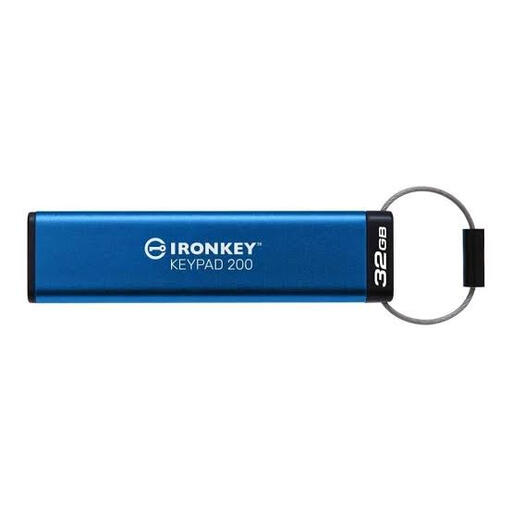
Kingston IronKey 32 GB Keypad USB flash drive

Kingston IronKey 32 GB Keypad

For confidential files when a USB-A stick with PIN access and hardware encryption suits your studio workflow.

32 GB; USB 3.2 Gen 1; XTS-AES-256 hardware encryption; PIN entry via keypad; write speeds of up to 115 MB/s.

View at Joybuy

SanDisk Ultra 256 GB USB 3.0 flash drive

SanDisk Ultra 256 GB USB 3.0

For transferring files between devices with USB-A ports when you need 256 GB of storage.

256 GB; USB 3.0; product description states it comes with SanDisk SecureAccess and 128-bit AES encryption.

View at Joybuy

Kexin 2-pack of USB-A and USB-C flash drives, 32 GB each

Kexin 2-pack USB-A and USB-C, 32 GB each

For switching between devices with USB-A and USB-C ports when you need two separate drives.

USB 2.0; two drives, each with 32 GB; USB-A and USB-C connectors.

View at Joybuy
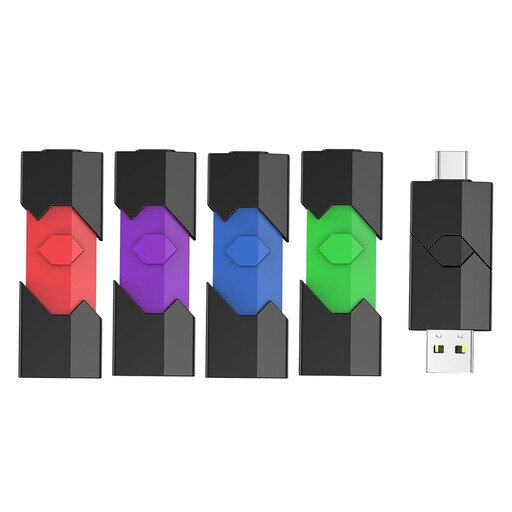
Kexin 5-pack of USB-A and USB-C flash drives, 32 GB each

Kexin 5-pack USB-A and USB-C, 32 GB each

For shared environments where you need several drives for devices with USB-A and USB-C ports.

USB 2.0; five drives, each with 32 GB; USB-A and USB-C connectors.

View at Joybuy

Frequently asked questions

Which file system is suitable for copying files between Mac and Windows?

exFAT is an option for an external drive that you want to use with Mac and Windows; Apple Support describes it as suitable for this purpose. Also check that all the other studio devices, such as an audio recorder, support exFAT. Formatting will delete any existing files.

Why can’t I copy a long recording to a stick with enough storage?

If the stick is formatted as FAT32, its 4 GB per-file limit may be the problem; Microsoft Learn gives 4 GB as the maximum file size. Check the file size and file system, and back up any existing files before setting up a different format that works with all the target devices.

Is an encrypted USB stick enough to back up the original recordings?

No. Access control and recovery serve different purposes. Keep an additional backup separately and check that you can open the files you need from it. The Federal Office for Information Security recommends keeping physical backup media separate from the computer being backed up.

Can I copy a concert recording to my USB stick in the studio?

There’s no general yes or no. Under sections 77 and 85 of the German Copyright Act (UrhG), performing artists have rights relating to the recording and reproduction of their performances, and phonogram producers also have rights. Section 53 of the UrhG permits certain individual private copies subject to conditions; in addition, section 53(7) requires the rights holder’s consent to record a public performance. The relevant legislation is available on Laws on the Internet, a service provided by the Federal Ministry of Justice and the Federal Office of Justice. Before copying or sharing a particular recording, check its source, the agreed rights and how you plan to use it.