Designers with limited desk space
If you mainly archive files on the same computer, a low-profile stick may protrude less. Make sure it has the right connector, though, and keep an additional copy of important files somewhere separate.


For a fixed, cramped workspace, a low-profile stick with the right connector is a good choice; if you switch between devices, a model with USB-A and USB-C may be more practical. For large, frequent archive copies, the write speed of the specific version matters, as does access protection for confidential drafts. For important files, the German Federal Office for Information Security also recommends keeping a separate backup that you can restore.
If you mainly archive files on the same computer, a low-profile stick may protrude less. Make sure it has the right connector, though, and keep an additional copy of important files somewhere separate.
If you transfer project files between devices with different ports, a stick with both connector types could save you from needing a separate adapter. Also check the file system and write speed of the specific version.
If losing a stick could give someone else access to your files, check its encryption and unlocking method. For files containing personal data, the protection required depends on the content and how it is processed; a separate backup is still important either way.
First, work out how much space your current drafts and versions need, and how you’ll make a separate backup. Then compare the connector and design. If you regularly copy large files, also check the write speed for the exact capacity you’re considering.
| What matters | What to check before buying | Who is it most relevant to? |
|---|---|---|
| Archive space and backups | Check the size of your project folders, including older versions; compare it with the usable storage of the model and try opening a separate copy. | If I need to keep several versions of a project, I want enough space and to be able to restore files if I lose the stick. Around 31% of consumers are primarily concerned with archive capacity and recoverability. |
| Design and connectors | Check whether your devices have USB-A or USB-C ports, how much room there is around neighbouring ports, and the size of the stick. | If the stick will stay plugged in on a small desk or needs to move between devices, a low-profile design and the right connectors matter. Around 31% of consumers prioritise a compact design and compatible connectors. |
| Write speed | Compare write speeds, not just read speeds, and check that they apply to the exact capacity you want. | If I regularly copy large project folders, I want to know how long I’m likely to wait. Around 23% of consumers are primarily concerned with write speed. |
| Confidential files | Check the encryption and unlocking method, and make sure you can still access your separate backup. | If losing a stick could expose confidential drafts, I want to protect access to the files without giving up a backup. Around 15% of consumers prioritise protection against unauthorised access to their files. |
Capacity alone doesn’t make a USB stick a fail-safe archive. The German Federal Office for Information Security points out that the lifespan of storage media cannot be predicted precisely. Keep important files elsewhere too, and check that you can open them from your backup.
The lifespan of a storage device cannot be predicted precisely. If the stick contains your only copy, you could lose access to your drafts if it is lost or damaged. The German Federal Office for Information Security recommends checking that backups can be restored.
Keep a separate copy and open a few files from it at random to check that you can restore them.
When you archive files, they’re written to the stick. A high read speed therefore doesn’t tell you how quickly large project folders will be saved.
Compare write speeds and test results for the exact capacity you’re considering, rather than assuming the results for another version will be the same.
If you regularly copy large files, a lower write speed could mean extra waiting time.
Nano models can have different connector types. The file system matters too: Microsoft Learn states that FAT32 has a maximum file size of 4 GiB.
Check the ports on every device involved, the space around neighbouring ports and the size of your largest individual file. Before changing the file system, make sure all the devices you need can read it.
Worth considering if you’re looking for a low-profile USB-A stick, a model with USB-A and USB-C, or a separate encrypted model.
Worth considering if you want a low-profile USB-C stick or a model with PIN access and hardware encryption.
Worth considering if you’re looking for a USB stick with USB-A and USB-C to use with compatible devices.
Worth considering if you want to compare write speeds for regular project transfers on a USB-A model.
The JetFlash 890 is a specific model to consider when comparing designs and connectors.
This selection includes USB sticks for compatible USB-A or USB-C devices, with models for a permanent connection, switching between devices and storing confidential files.
 No image available
For design drafts on compatible USB-A devices; the metal casing is specified for this use.
64 GB; up to 220 MB/s read and 100 MB/s write, according to the product description.
 No image available
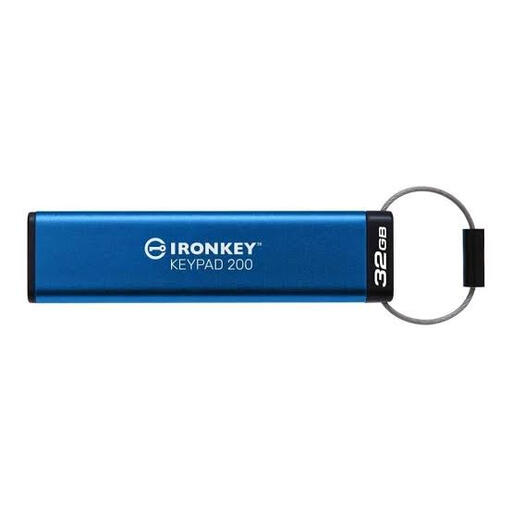
For confidential files if you want a stick with PIN access via its built-in keypad and hardware encryption.
32 GB; the product description lists XTS-AES-256 hardware encryption and write speeds of up to 115 MB/s. It also states that FIPS 140-3 Level 3 certification is pending.
 No image available
For switching between compatible USB-A and USB-C devices when you need both connector types on one model.
USB 2.0; swivel design with a keyring loop, according to the product description.
 No image available
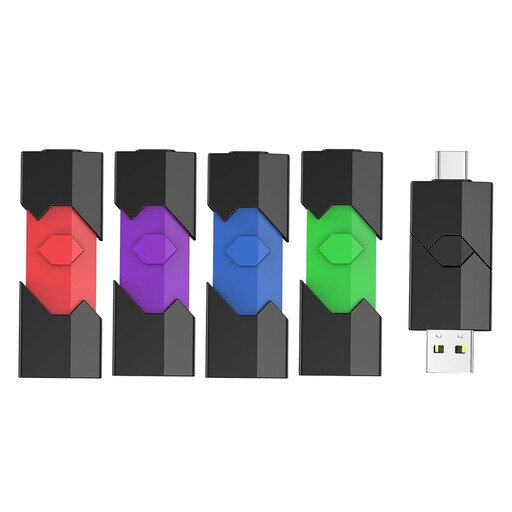
For transferring files between compatible USB-A and USB-C devices; the product description says the pack contains five coloured sticks to help you identify files or projects.
USB-A and USB-C, OTG support and a retractable design, according to the product description.
 No image available
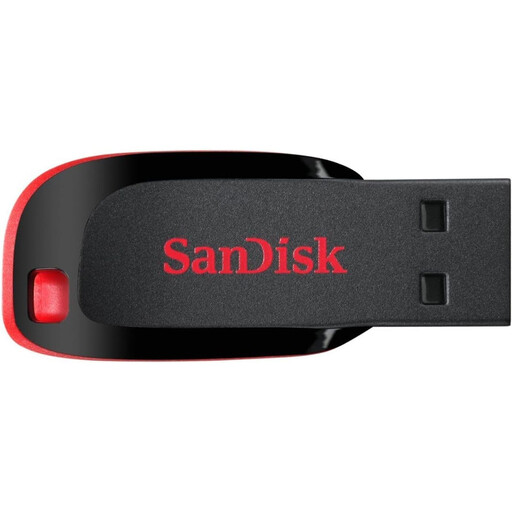
For storing files in a compact form, if 32 GB is enough for the project files you need to keep.
Read speeds of up to 70 MB/s. The product description lists SanDisk SecureAccess with 128-bit AES encryption; it also states that a software download is required.
Check the size of your existing project folders, including older versions, and compare the total with the usable storage on the model you want. Remember to make a separate backup too: having more capacity on one stick is no substitute for a second copy.
Check the stick’s file system. Microsoft Learn states that FAT32 has a maximum file size of 4 GiB, while exFAT has a higher limit. Before reformatting, make sure all the devices you need can read the file system you choose, and back up any existing files first.
After copying your files, open a few of them directly from the backup. The German Federal Office for Information Security includes recoverability and future readability of files as part of data backup.
No. Write speed matters when saving drafts. Compare the stated write speeds and, if possible, test results for the exact capacity you plan to buy; read speed won’t tell you how long copying will take.