
Lieferung heute & morgen

Qualitätsgarantie

Willkommens-Angebote freischalten: KOSTENLOSE Lieferung | Bis zu 80 % RABATT | Kostenlose 30-Tage-JoyPlus-Testphase
App herunterladen
A high-quality pair of sunglasses is more than just a fashion statement; it's an essential tool for protecting your eyes. But the market is flooded with models whose marketing claims often fall short. Many buyers quickly discover their new glasses pinch, distort their vision, or offer inadequate protection. This guide will help you identify the crucial features and avoid making the wrong choice.
Before you decide on a model, it's helpful to know the most common issues that lead to dissatisfaction.
To make an informed decision, you should carefully examine three technical aspects.
The most important parameter is protection against ultraviolet radiation. The UV400 label indicates that the lenses block UV rays up to a wavelength of 400 nanometres. This completely covers both UVA and UVB rays. Look for this certification, which must be present regardless of the colour or tint level of the lenses.
The frame material determines comfort, durability, and safety. TR90 is a thermoplastic polyamide valued for its properties:
These features make TR90 an ideal material for cycling glasses or road cycling glasses, as well as for everyday use.
A pair of polarized sunglasses features a special filter that blocks horizontally reflected light. This type of glare occurs on surfaces like wet roads, water, or snow. The result is higher-contrast, clearer vision that reduces eye strain and increases safety, especially when driving or participating in water sports. For glare-free vision, this technology is a crucial advantage.
Instead of presenting an overwhelming list, we have selected models for three typical user profiles that meet the criteria mentioned above.
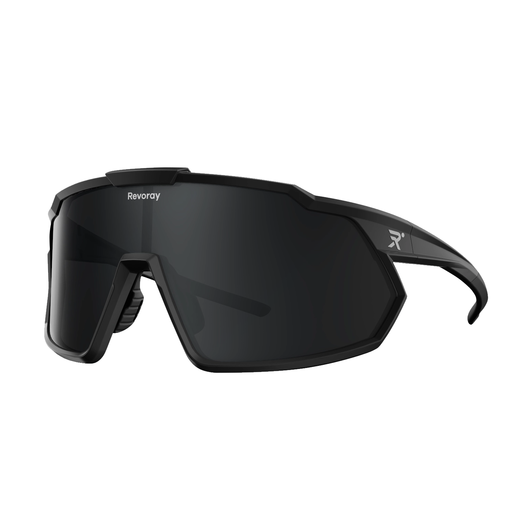
Why This Fits Their Persona: Ideal for road and mountain bikers who need glare-free vision and superior protection. The polarized lenses cut down on reflections from the road, while the secure fit stays put even at high speeds and over rough terrain.
The flexible and durable TR90 frame sidesteps the flimsy material trap. The HD TAC polarized lenses deliver vision optimised for cycling, avoiding the issue of mismatched lens technology.
Effectively filters glare for crystal-clear vision. The glasses are certified to the ANSI Z87.1 impact resistance standard and are incredibly lightweight at just ~33g.
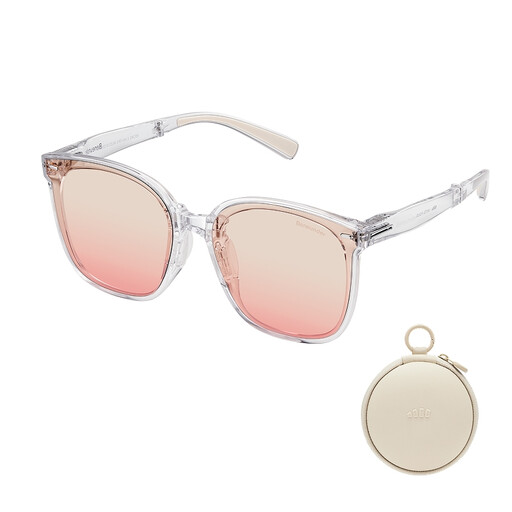
Why This Fits Their Persona: Perfect for people who are always on the go and value both style and portability. These foldable sunglasses in a fashionable oversized design collapse into an extremely compact form that fits in any bag.
The patented folding mechanism and the lightweight yet durable TR90 frame solve the problem of bulky and fragile glasses. The guaranteed UV400 protection ensures that a fashionable look doesn't come at the expense of eye health.
Folds down to a thickness of just 35 mm and weighs only 26 g. According to the manufacturer, the OAR anti-reflective coating reduces glare by ≥99.6%.
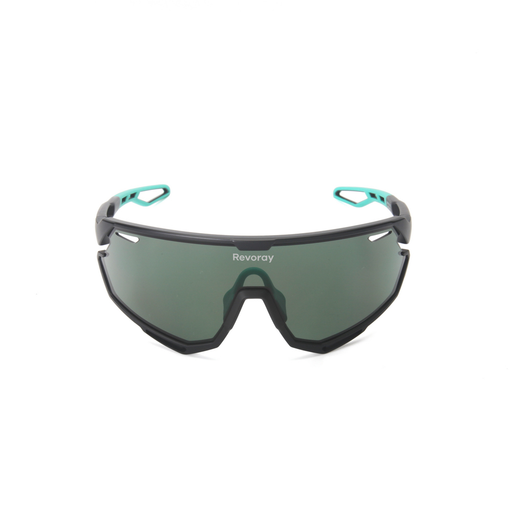
Why This Fits Their Persona: An all-rounder for various outdoor sports, from cycling to running. The design focuses on a wide, unobstructed field of view, low weight, and reliable protection against wind and impacts.
The single-piece, high-strength PC lens is impact-resistant and more durable than conventional lenses. The ergonomic TR90 frame ensures a stable and comfortable fit, avoiding the uncomfortable frame trap.
Aerodynamic design to reduce wind resistance. Extremely lightweight at approx. 30 g. Non-slip rubber temple tips and nose pads ensure a secure grip during movement.
We have compiled a complete, up-to-date list of products that fully meet these strict selection criteria and safety regulations.
Yes, it's possible. Polarizing filters can interfere with the screens of smartphones, navigation devices, or laptops, which can cause rainbow effects or dark spots. This effect is minimal on most modern devices, but it's wise to consider this before buying if you frequently need to read digital displays.
Rinse the glasses with clean water after use to remove sweat, dust, and salt. Dry them gently with a soft microfibre cloth. Avoid aggressive cleaning agents or alcohol, as they can damage the lens coatings (e.g., anti-reflective or water-repellent layers). Store the glasses in a case to protect them from scratches and pressure.
Not necessarily. The price is often determined by the brand design, frame materials, and special lens technologies like polarization or photochromic (self-tinting) properties. A budget-friendly pair of glasses can offer just as effective UV400 protection as an expensive model. The certification is what matters, not the price tag.