
Lieferung heute & morgen

Qualitätsgarantie

Willkommens-Angebote freischalten: KOSTENLOSE Lieferung | Bis zu 80 % RABATT | Kostenlose 30-Tage-JoyPlus-Testphase
App herunterladen
UV400 cycling glasses need to do more than simply put a tinted lens in front of your eyes. Whether you’re road cycling, mountain biking, gravel riding or riding an e-bike, a secure fit, good impact resistance and a tint suited to your riding conditions all matter. Many models are marketed with similar terms, even though their materials, field of vision and lens features can differ considerably.
A dark lens doesn’t automatically provide adequate UV protection. Look for a clearly stated UV400 rating, which indicates protection against ultraviolet rays with wavelengths of up to 400 nanometres. Tint, on the other hand, mainly affects how bright things appear. When buying cycling sunglasses, check these two features separately.
Polarised cycling glasses can reduce glare reflected from road surfaces, water or metal. This can make sunny rides more comfortable. However, a heavily tinted lens may let less light through on shaded woodland trails, on overcast days or at dusk. If you often ride in changing conditions, photochromic cycling glasses may be more practical.
A low weight can make a difference on longer rides, but it can’t make up for a poor fit. If your glasses slip on your nose, press against your temples or fog up quickly, you’re unlikely to wear them regularly. Adjustable nose pads, non-slip arms and good ventilation are therefore important features to look for in lightweight cycling glasses.
When choosing sports glasses for cycling, check that UV400 protection is clearly stated in the product details. Polycarbonate and TAC lenses are often used because they can be made lightweight and durable. However, impact-resistant sports glasses aren’t unbreakable. Replace lenses that are damaged or badly scratched.
If a product lists a recognised standard, check the precise wording too. For example, Revoray Y1 models are stated to have been tested to ANSI Z87.1. This refers to an impact-resistance performance standard; it doesn’t replace your own assessment of whether the glasses are suitable for a particular activity.
Cycling glasses with interchangeable lenses may appeal if you need different tints. Check whether spare lenses are included or need to be bought separately.
A TR90 cycling glasses frame is generally described as lightweight, flexible and shape-retaining. When choosing a pair, though, look for specific details such as weight, frame width and adjustment options. Models with non-slip silicone sections may stay in place more securely when you’re sweating or riding over uneven ground.
A wide field of vision is helpful for mountain biking and fast descents. A curved lens can offer better coverage at the sides, but it shouldn’t touch your cheeks. Road cyclists should also look for a close fit that keeps out the wind, along with good ventilation. MTB glasses, meanwhile, often need a particularly secure fit and a durable lens.
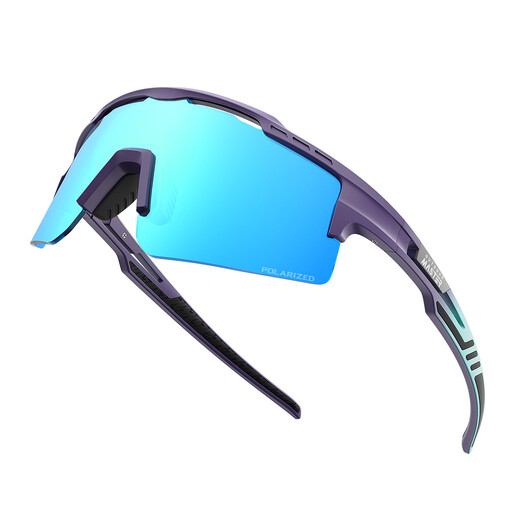
Why it suits this rider: The polarised TAC lens is stated to offer UV400 protection, making it suitable for sunny everyday rides, while the TR90 frame combines a low weight with a flexible fit.
The product details specify both polarisation and UV400, so you don’t have to assume these features from the dark lens colour alone.
Polarised TAC lenses, a TR90 memory frame and an EVA case are listed in the product description as included or part of the specification.
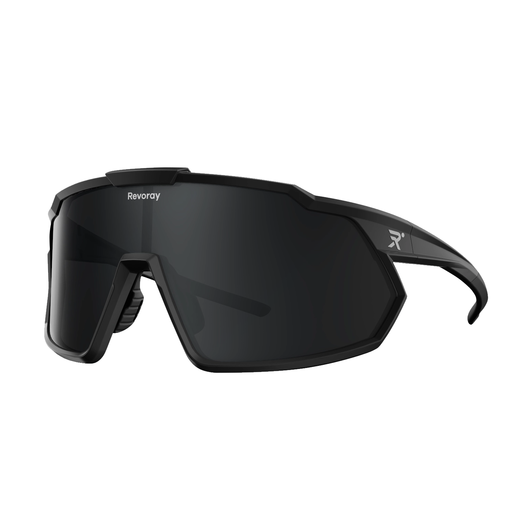
Why it suits this rider: According to the product details, this model combines a 33 g construction with adjustable non-slip nose pads and polarised TAC lenses, making it a good option for longer road and gravel rides.
The stated light transmission of around 15.2% makes it easier to judge whether these glasses are suited to bright conditions than a colour description alone would.
TR90 frame, stated UV400 protection, ANSI Z87.1 performance standard according to the product description, and a water- and oil-repellent coating.
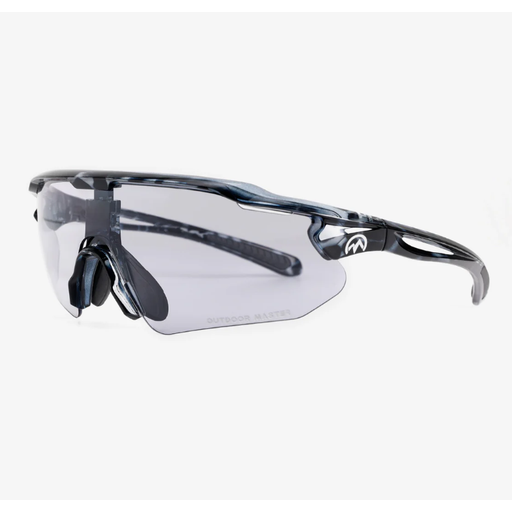
Why it suits this rider: The combination of photochromic and polarised technology is designed for riders who move between sunny roads, shade and changing outdoor conditions.
The adjustable tint means you’re less likely to need to change glasses every time the light shifts. Bear in mind that the adjustment depends on UV exposure.
Stated UV400 protection, PC lenses, adjustable nose pads, TR90 frame and a weight of around 26 to 29 g, depending on the lens option.
We’ve put together a complete, regularly updated list of products that meet these strict selection criteria and fully comply with the safety regulations in force in the EU.
Rinse off dust and fine grit with clean water before cleaning the lenses with a soft microfibre cloth. Alcohol, harsh cleaners and rough fabrics can damage lens coatings. Store your cycling glasses in the case provided and avoid heavy pressure, high temperatures and contact with sharp objects.
If the lenses are scratched in your direct field of vision or the frame is damaged, stop using the glasses. There’s no one-size-fits-all answer to how long they’ll last, as UV exposure, sweat, cleaning and the risk of falls all vary.
Yes. UV rays can still be present when the sky is overcast. What matters is the stated UV400 protection, not how dark the tint is. Photochromic cycling glasses may be the more practical choice in changeable weather.
It depends on how you ride. Polarised lenses are particularly useful for reducing reflections in bright sunshine. Photochromic lenses react to UV exposure and can be helpful in changing light conditions. You can also get glasses that combine both features.
Look for ventilation openings, a suitable gap between the lens and your face, and adjustable nose pads. Don’t wear the glasses too close to your skin, and clean the coating according to the manufacturer’s care instructions.