
Lieferung heute & morgen

Qualitätsgarantie

Willkommens-Angebote freischalten: KOSTENLOSE Lieferung | Bis zu 80 % RABATT | Kostenlose 30-Tage-JoyPlus-Testphase
App herunterladen
UV400 folding sunglasses combine compact storage with sun protection and a stylish frame. They’re particularly handy when travelling, driving or enjoying outdoor activities, as they fit into smaller bags and cases. However, not all models offer the same features. Claims such as ‘ultra-lightweight’, ‘anti-glare’ or ‘scratch-resistant’ should be assessed against specific product details.
UV400 protection refers to the stated protection range against ultraviolet radiation up to 400 nanometres. On its own, it doesn’t tell you how much visible light or reflected glare the lenses reduce. So, sunglasses for driving should also come with information about lens tint and, where applicable, an anti-reflective coating.
Anti-glare sunglasses may use a coating to reduce reflections from the lens surface. This doesn’t automatically mean the lenses are polarised, though. If you often travel on wet roads, by the water or in snowy conditions, check the lens technology listed in the product description.
Some models only fold at the arms and still need a relatively large case. If you’re looking for genuinely foldable sunglasses, check the folded dimensions, the number of joints and how thick they are when folded.
According to the manufacturer, the Beneunder FD421 has a three-fold mechanism and measures 35 mm thick when folded. Product details list its weight as 26 g. These figures make it easier to compare with a conventional pair of lightweight sunglasses.
TR90 is a lightweight, flexible plastic used in many folding glasses. It can improve comfort and provide a degree of flexibility. However, it doesn’t automatically make scratch-resistant sunglasses damage-proof. Scratches often happen when glasses are stored loose, come into contact with sand or are cleaned with unsuitable fabrics.
A case and a soft microfibre cloth are therefore useful essentials. You should also operate folding mechanisms in the intended direction, without applying sideways pressure.
Look for a specific UV400 claim, rather than general terms such as ‘sun protection’. According to the manufacturer, the Beneunder models mentioned here have nylon lenses with UV400 coating. Several variants are also listed as having OAR anti-reflective coatings.
Oleophobic coatings to help prevent fingerprints and scratch-reducing coatings may also be useful for everyday wear. These details relate to the lens features; they don’t guarantee protection against every kind of damage.
Lightweight sunglasses can feel more comfortable on longer drives or walks. TR90 frames are often described in product details as lightweight and highly flexible. However, the exact measurements still matter: a frame that’s too wide or too narrow may feel uncomfortable, even if it’s lightweight.
The listed frame widths for Beneunder models range from approximately 5.71 to 5.80 inches, depending on the series. Compare the measurements with a pair of glasses you already own before buying.
Oversized sunglasses cover a larger area around the eyes, but need sufficiently wide arms and a suitable nose bridge. Cat-eye sunglasses have a more pronounced, upswept top line. Boston-style sunglasses have a softer, rounder shape for a more understated look.
For women’s sunglasses and unisex styles, colour and silhouette are important considerations, but shouldn’t overshadow the technical details. Adjustable arms or flexible nose pads can be useful for different face shapes.
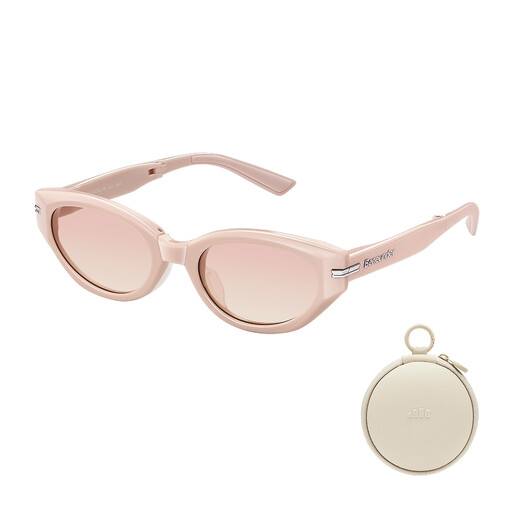
Why it suits this profile: The cat-eye shape combines a fashionable look with a folding design that fits in a handbag, rucksack or travel case.
According to the manufacturer, it has a TR90 frame, UV400 lenses and an OAR anti-reflective coating. This clearly specifies the material, stated protection and glare reduction.
Folding TR90 frame, air-cushion nose pads and soft arm rests, according to the product description.
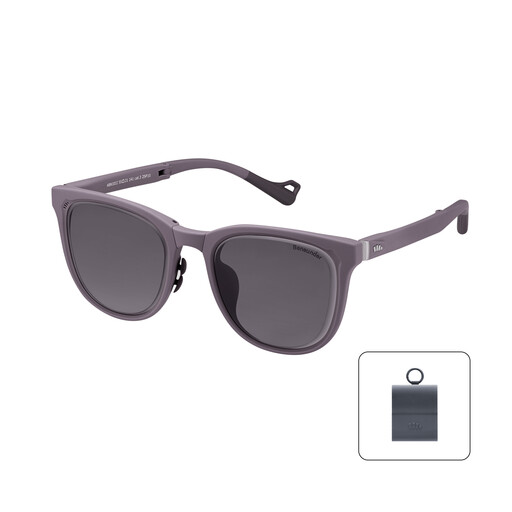
Why it suits this profile: The Boston silhouette is a good fit for anyone looking to combine classic styling with multiple lens coatings and adjustable features.
The product details list UV400, anti-reflective, oleophobic and scratch-reducing coatings separately, rather than making a vague claim that the glasses are completely damage-proof.
Three arm positions, dual-axis butterfly nose pads and a listed weight of 0.97 oz.
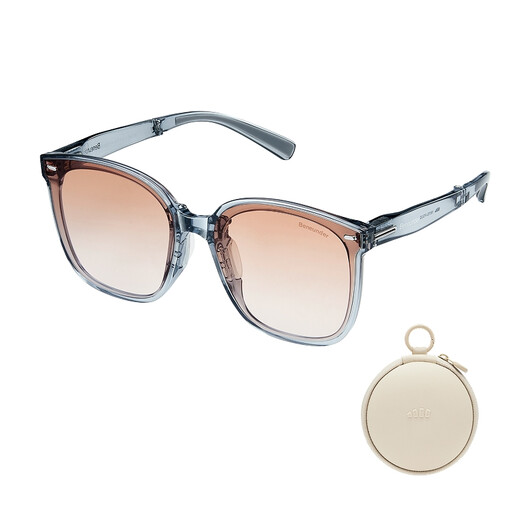
Why it suits this profile: For travel and driving, these oversized sunglasses offer a stated triple-fold design, a weight of 26 g and an OAR coating.
The product details include specific figures for folded dimensions, weight, UV400 protection and stated glare reduction. This makes it easier to compare how practical they are for everyday use with other models.
TR90 frame, nylon lenses, 35 mm folded thickness and dual protective coating, according to Beneunder.
Clean the lenses with water or a suitable glasses cleaner and a soft microfibre cloth. Paper towels, clothing and dry sand can damage the surface. Keep your sunglasses in the case provided and avoid exposing them to high temperatures, such as on a car dashboard.
When driving, make sure the tint doesn’t impair your vision. Always take your sunglasses off at dusk, at night or when light conditions are changing. If you wear prescription glasses, folding sunglasses without the appropriate prescription can only be used as an additional pair.
We’ve put together a complete, regularly updated list of products that meet these strict selection criteria and fully comply with the safety regulations in force in the EU.
UV400 refers to the stated protection against ultraviolet radiation up to 400 nanometres. When choosing a pair, also check the lens colour, tint, fit and any anti-reflective coating. UV400 alone doesn’t tell you how much glare protection the sunglasses provide overall.
Their lifespan depends on the joints, coatings, cleaning and storage. Folding them carefully and using a case and microfibre cloth can reduce everyday wear and tear. Product details alone aren’t enough to establish a general lifespan.
Models listed with UV400 protection and an anti-reflective coating may be suitable for bright driving conditions. However, clear vision, a suitable tint and the conditions on the road are all important. Don’t wear tinted sunglasses in the dark or when visibility is poor.