
Lieferung heute & morgen

Qualitätsgarantie

Willkommens-Angebote freischalten: KOSTENLOSE Lieferung | Bis zu 80 % RABATT | Kostenlose 30-Tage-JoyPlus-Testphase
App herunterladen
UV400-polarised sports sunglasses should do more than just look good. Whether you’re cycling, playing golf, fishing or driving, a secure fit, suitable light transmission and clear information about UV protection all matter. If you focus only on dark lenses or eye-catching marketing claims, you could end up with a pair that pinches, fogs up or isn’t suitable for road use.
Lens colour tells you very little about protection from ultraviolet radiation. The key thing to look for is the UV400 marking. It means the lenses filter the relevant UV range up to around 400 nanometres. Also check for conformity markings and information from the manufacturer. Heavily tinted sunglasses without clear information about UV protection aren’t a reliable choice.
Polarised sunglasses mainly reduce distracting reflections from wet roads, water and bright metal surfaces. This can be useful for fishing, sailing and cycling. When driving, your sunglasses need to let enough light through and mustn’t make displays or screens difficult to read. Polarised lenses can also alter how some LCD screens look.
TR90 sunglasses often have a flexible thermoplastic frame. This material can combine low weight with a degree of shape retention. However, hinges, nose pads and lens coatings can still be weak points. So check more than just the frame material: consider the fit, spare parts, case and care instructions too.
A pair of UV400 sunglasses should have its level of protection clearly stated. Polarisation is an additional filter that reduces reflected light, but it doesn’t replace UV protection. The VLT rating is also relevant for sports sunglasses. VLT stands for ‘Visible Light Transmission’ and describes the proportion of visible light that passes through the lens.
Anti-glare sunglasses may have an anti-reflective finish or a special surface coating. According to the product information, for example, the Beneunder FD421 has an OAR anti-reflective coating and a UV400 protective coating. Always check these details on the relevant product page.
When cycling, your cycling sunglasses need to stay securely in place while you move. Adjustable nose pads, non-slip arms and a sufficiently wide field of vision can all help. Many sports models weigh around 25 to 33 grams. A lighter pair puts less pressure on your nose and ears, but it’s no substitute for a good fit.
Ventilation openings can help reduce fogging during sports. This is particularly useful in cold weather, on climbs or in high humidity. A very curved lens can widen your field of vision, but it should be made without visible distortion.
TAC or polycarbonate lenses are used in many sports sunglasses. Information about scratch resistance, water and oil repellence or impact resistance is useful, but shouldn’t be confused with certified safety glasses for industrial work. Even a model with an impact rating isn’t designed for looking directly at the sun or for grinding work.
Folding sunglasses take up less room and fit easily into your luggage or a small cycling bag. Handle the folding mechanism carefully, as repeatedly forcing it out of alignment can put strain on the connecting parts.
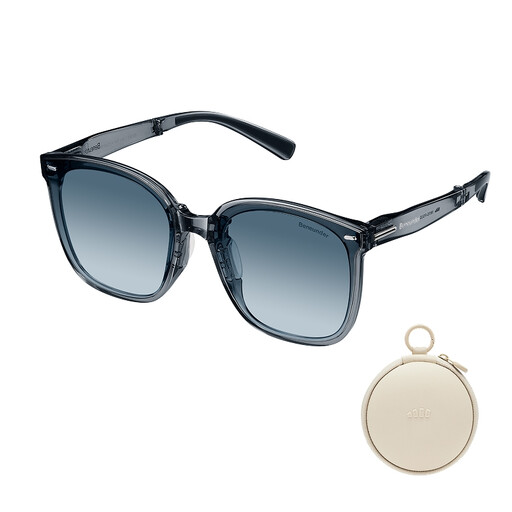
Why it suits this profile: This model is aimed at anyone looking for lightweight sunglasses for travel, everyday wear and driving. According to the product details, they weigh 26 g and fold down to around 35 mm thick.
The UV400 marking and stated anti-reflective coating make its protective features clearer than a simple colour description. The folding design saves space.
TR90 frame, nylon lenses, 26 g weight and compact storage, according to the product description.
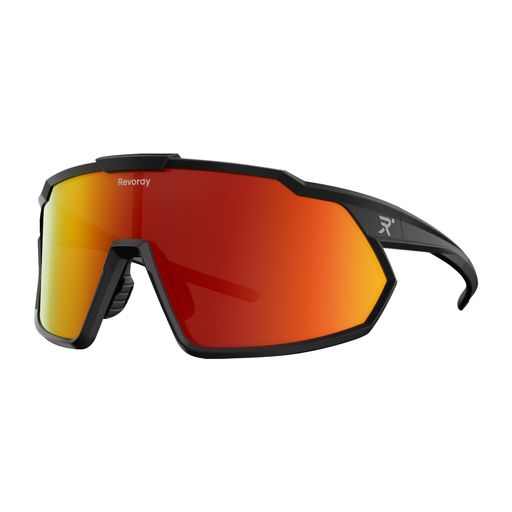
Why it suits this profile: For regular cyclists, a reliable fit, coatings and a stated VLT of around 15.2% are important points to compare in bright weather.
Adjustable silicone nose pads and arms can help keep the sunglasses securely in place. Water-, oil- and scratch-resistant coatings address common care concerns when using them outdoors.
TAC polarisation, TR90 frame, weight of around 33 g and an ANSI-Z87.1 rating, according to the product description.
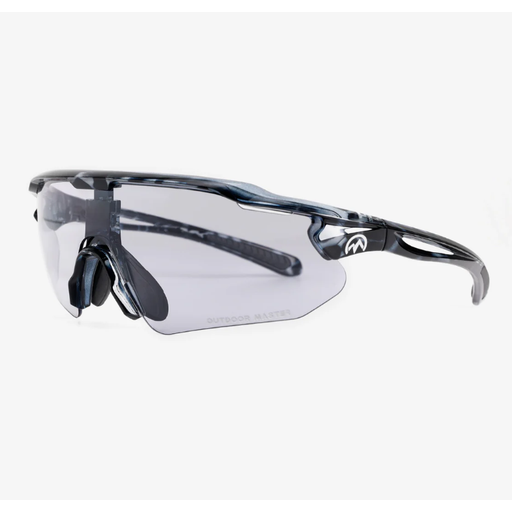
Why it suits this profile: The combination of photochromic and polarised lenses is appealing if you spend time outdoors in both sunny and changeable conditions.
The product information clearly states that the photochromic tint may not change sufficiently inside a vehicle because the windscreen filters UV light.
TR90 frame, polycarbonate lenses, adjustable nose pads and a stated weight of around 26 to 29 g.
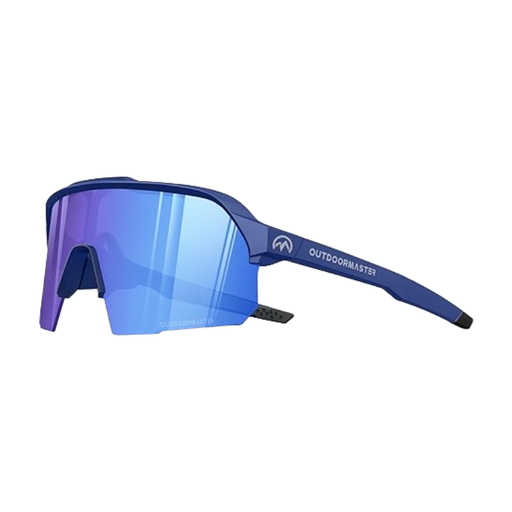
Why it suits this profile: According to the product description, these sports sunglasses are designed for fishing, golf, sailing, cycling and driving, and come with a clear interchangeable lens.
The interchangeable clear lens means you don’t have to keep wearing a dark tint in cloudy weather or lower light.
TR90 frame with memory properties, polarised HD lenses, UV400 rating and an interchangeable lens, according to the product details.
We’ve put together a complete, regularly updated list of products that meet these strict selection criteria and fully comply with the safety regulations in force in the EU.
Clean the lenses with water and a soft microfibre cloth. Kitchen roll, rough fabrics and harsh cleaning products can damage the coatings. Keep your sunglasses in a case and don’t place them lens-side down. Replace them if you notice visible scratches, loose arms or damaged lenses. There’s no set lifespan, as the condition of the UV coating, hinges and lenses depends on how the sunglasses are used and stored.
It depends on the tint, light transmission and how clearly you can see displays. Polarised sunglasses can reduce reflections on the road. However, check whether the product information says they’re suitable for road use, and don’t wear lenses that are too dark in poor light.
UV400 refers to protection up to around 400 nanometres. The marking relates to ultraviolet radiation and is not the same as lens colour or polarisation. Clear information from the manufacturer and the marking on the product are what matter.
It depends on how they’re cleaned, transported and used. With regular use, scratches, loose nose pads or damaged coatings can shorten their practical lifespan. A case, careful folding and cleaning with a microfibre cloth can help keep your sunglasses in good condition for longer.