
Lieferung heute & morgen

Qualitätsgarantie

Willkommens-Angebote freischalten: KOSTENLOSE Lieferung | Bis zu 80 % RABATT | Kostenlose 30-Tage-JoyPlus-Testphase
App herunterladen
UV400 sports sunglasses should do more than simply dim bright light. Whether you’re cycling, driving, walking or travelling, UV protection, a secure fit, clear vision and low weight all matter. At the same time, many models are advertised with terms such as ‘HD’, ‘anti-glare’ or ‘polarised’, without making it clear what practical benefit these features actually offer.
As a Joybuy Product Recommendation Officer, I’ll explain the key information clearly and show you which product features are worth considering before you buy.
The UV400 label describes protection against ultraviolet radiation up to around 400 nanometres. On its own, though, it says nothing about tint level, field of vision, fit or impact resistance. When choosing sunglasses, you should also check the filter category, the relevant markings and the intended use.
A very dark lens isn’t automatically a better choice. What matters is that the glasses provide adequate UV protection without unnecessarily affecting your vision in the light conditions you’ll be using them in.
Polarised sunglasses can reduce reflected light from roads, water and vehicle surfaces. This is useful when fishing, cycling or out on bright days. However, some displays and liquid-crystal screens may look different depending on your viewing angle. If you’re choosing sunglasses for driving, check that the field of vision, tint and display compatibility work for your vehicle.
Lightweight TR90 sunglasses can reduce pressure on your nose and ears. But the material can’t make up for a poor fit. Arms that are too wide, a nose bridge that slips or a restricted field of vision can make sunglasses impractical for everyday wear. Cycling glasses should also stay securely in place when you’re moving, in the wind and changing your posture.
Look for a clear UV400 claim and check the filter category marking. The tint affects how much visible light passes through the lenses. Some models also give a visible light transmission figure, or VLT. A low VLT means a darker lens, which is generally better suited to bright sunshine. For changing conditions, a lighter or photochromic option may be more practical.
A polarised lens filters certain reflections. An anti-reflective coating serves a different purpose: it can reduce distracting reflections from the lens surface. A water- and oil-repellent coating makes cleaning easier, while a scratch-resistant pair of sunglasses may be better protected against everyday wear and tear thanks to a suitable surface coating. No coating makes lenses indestructible, so a case and a soft microfibre cloth are still useful.
TR90 frames are known for being lightweight and flexible. For cycling, non-slip nose pads, adjustable arms and a wide enough field of vision are also important. Ventilation openings can help reduce fogging in cycling glasses. With folding sunglasses, move the hinges carefully and don’t force them shut.
Folding sunglasses are a space-saving choice for travel. Models with a three-fold mechanism can be especially compact to store. Check the mechanism regularly and carry the glasses in a protective case.
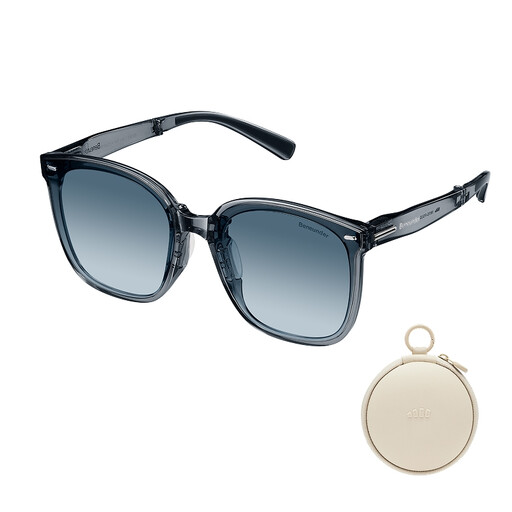
Why this product suits this profile: These sunglasses are aimed at anyone looking for UV400 protection for everyday wear, driving and travel, with the added benefit of compact storage.
The product details specify UV400 protection, an anti-reflective coating, a TR90 frame and a three-fold design, rather than relying on vague style claims.
According to the product details, this model weighs 26 g and folds down to around 35 mm thick. The lenses are made from nylon and offer UV400 protection.
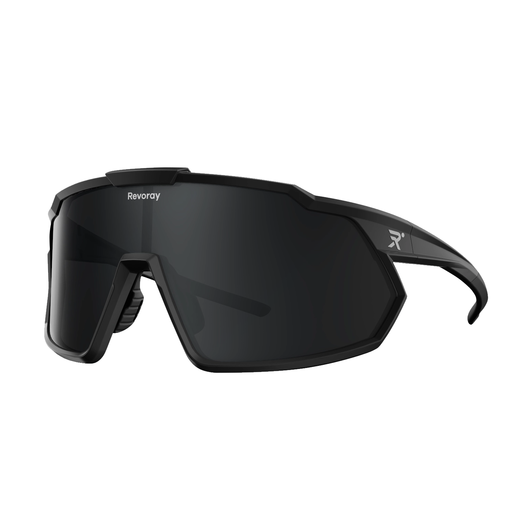
Why this product suits this profile: Designed for cycling and outdoor sports, this model combines polarised TAC lenses with adjustable, non-slip contact points.
The product details give specific figures for VLT and weight, and name the frame material and coatings. This makes it easier to judge whether the glasses are suitable for bright conditions.
According to the product details, visible light transmission is around 15.2% and the glasses weigh approximately 33 g. The listing also mentions UV400, TR90 and testing to ANSI Z87.1.
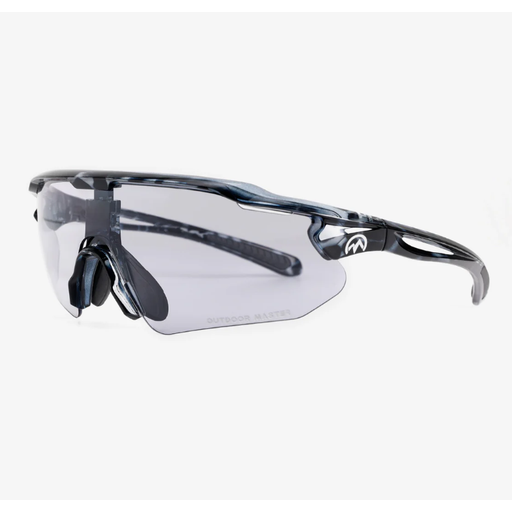
Why this product suits this profile: The combination of photochromic and polarised lenses is a good fit for anyone moving between sunny outdoor areas and changing light conditions.
The product description specifically warns that the photochromic tint may not change enough inside vehicles, as windscreens filter UV light.
According to the product details, the photochromic version weighs 29 g. The listed features include UV400, polycarbonate lenses, a TR90 frame and adjustable nose pads.
We’ve put together a complete, regularly updated list of products that meet these strict selection criteria and fully comply with the safety regulations in force in the EU.
How long your sunglasses last depends largely on how you use and store them. Start by cleaning the lenses with water or a suitable soft cloth. Harsh cleaning products, dry paper towels and carrying them loose in a bag can damage the coatings and lens surfaces.
After cycling, remove sweat as soon as possible. Only move folding models at their intended hinges. If the lenses are visibly scratched or the frame or arms are bent, don’t continue using the glasses for sports.
It depends on the tint, filter category, fit and field of vision. Polarised lenses can reduce reflections, but displays may look different depending on your viewing angle. Photochromic lenses may not darken as much inside a vehicle because the windscreen filters UV light.
With careful cleaning and storage, you can use them for a long time. There’s no set lifespan that applies to every pair. Scratches, damaged coatings, loose hinges or an insecure fit are all practical reasons to replace them.
Photochromic sunglasses can adapt to different light levels. In heavy rain or high humidity, a good fit, ventilation and a water-repellent coating are also important. If you’ll be using them in very low light, check the lens light transmission before you buy.