
Lieferung heute & morgen

Qualitätsgarantie

Willkommens-Angebote freischalten: KOSTENLOSE Lieferung | Bis zu 80 % RABATT | Kostenlose 30-Tage-JoyPlus-Testphase
App herunterladen
UV400 sports sunglasses need to do more than ordinary sunglasses when you’re cycling, running, playing golf, fishing or hiking. They need to stay securely in place, reduce reflections and protect the area around your eyes as conditions change. At the same time, eye-catching product claims don’t automatically mean you’ve found the right pair.
The UV400 label indicates protection from ultraviolet radiation up to a wavelength of 400 nanometres. On its own, however, it says nothing about fit, field of vision, scratch resistance or impact resistance. Sunglasses with UV protection may be suitable for everyday wear, while a non-slip fit and durable lenses are more important on a mountain bike.
So look for specific details about lens material, frame material, weight and fit. Without this information, it’s difficult to judge how well the sunglasses will perform during sports.
Polarised sports sunglasses can reduce distracting reflections from water, wet tarmac or metal surfaces. This is particularly useful when cycling, fishing and taking part in water sports. However, polarisation doesn’t replace UV400 protection, and it isn’t equally practical in every situation. Depending on the display, cockpit or smartphone, polarised lenses can affect how easy the screen is to read.
Polarisation is a useful extra for outdoor activities in bright conditions. For light that changes frequently, photochromic cycling glasses may be a more practical choice.
Lightweight TR90 sunglasses can be more comfortable to wear. But a secure fit depends on the combination of weight, nose pads, arms and frame shape. If the glasses slip when you sweat or ride over uneven ground, your field of vision can be affected. Adjustable nose pads and non-slip details are therefore specific features worth checking before you buy.
As well as the UV400 rating, visible light transmission (VLT) is worth considering. A lower VLT value means less visible light passes through the lens. For example, the OutdoorMaster Hawk HD sports sunglasses with grey lenses are listed with a VLT of 12%. The blue version is listed at around 17 to 18%.
A darker lens may be a good choice for sunny bike rides or spending time by the water. In cloudy weather, on woodland trails or at dusk, a clear spare lens or photochromic option is more suitable.
Polycarbonate lenses are lightweight and are used in various sports sunglasses with stated impact-resistance properties. According to the product details, the Revoray X3 series has a one-piece PC lens with UV400 protection. The wide lens can give you a broader field of vision when cycling.
According to the product description, the Revoray Y1 models have TAC polarised lenses and also refer to the ANSI Z87.1 performance standard. This standard provides a specific technical reference. However, sports sunglasses aren’t automatically suitable as safety glasses for work involving a high risk of impact, machinery or grinding. Always follow the manufacturer’s safety guidance.
TR90 is a thermoplastic frame material that’s promoted for its low weight and flexibility in the models mentioned here. That alone doesn’t guarantee the right fit. Check details such as frame width, arm length and recommended face shape.
A ventilated design can be useful on longer rides. For example, the OutdoorMaster LARK SV is described as having a ventilated lens design, adjustable nose pads and a listed weight of around 25.5 g. These features can make it more practical for sports, but they’re no substitute for trying the glasses on.
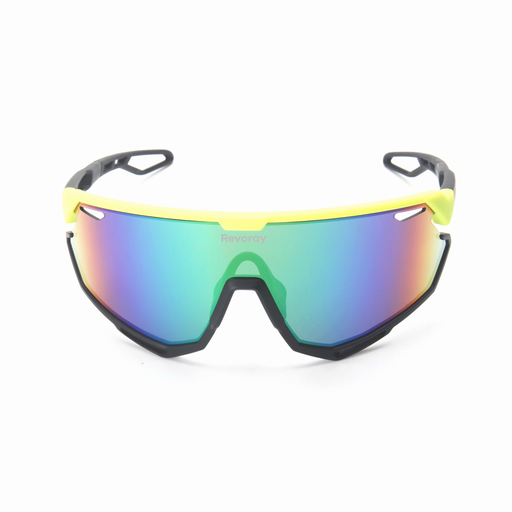
Why this product suits this profile: These cycling glasses combine a one-piece PC lens with a UV400 rating, a TR90 frame and a listed weight of around 30 g. They’re suitable for occasional bike rides, runs and a range of outdoor activities.
The product details specify the UV400 rating, lens material, frame material and weight, rather than relying solely on general comfort claims.
UV400 rating, one-piece PC lens, TR90 frame and non-slip nose and arm details.
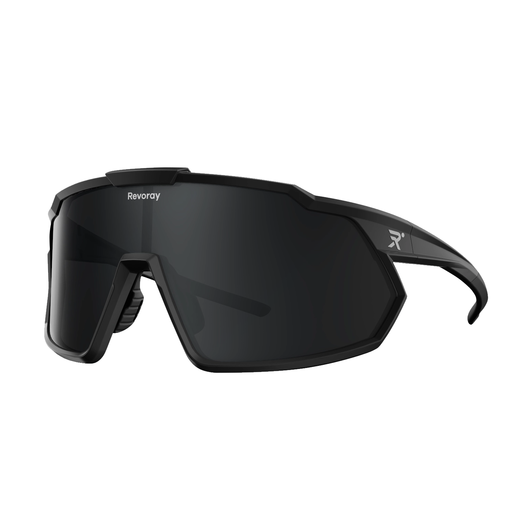
Why this product suits this profile: These cycling glasses combine TAC polarised lenses, a stated light transmission of around 15.2%, UV400 protection and the listed ANSI Z87.1 performance standard.
The product details distinguish between UV400 protection, polarisation, light transmission and the impact-resistance standard.
Around 33 g in weight, adjustable silicone nose pads and a water- and oil-repellent coating, according to the product description.
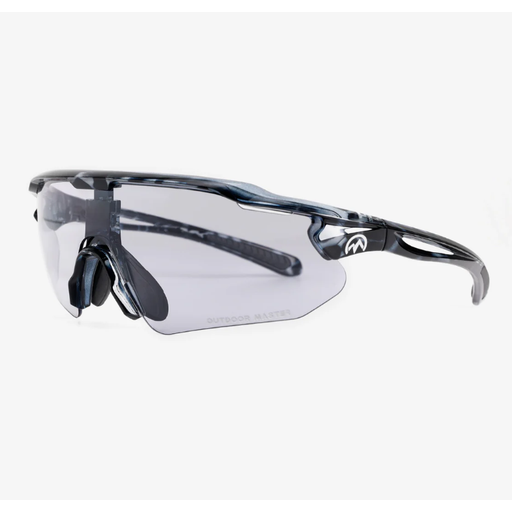
Why this product suits this profile: These photochromic cycling glasses are a good option if you’re riding between sunny and shaded areas or in changeable light. According to the product details, the tint adjusts to UV intensity.
The product description notes that the photochromic feature may not darken the lenses enough inside a vehicle, as windows filter UV radiation.
TR90 frame, PC lenses, UV400 rating, photochromic and polarised features, and a listed weight of 26 to 29 g.
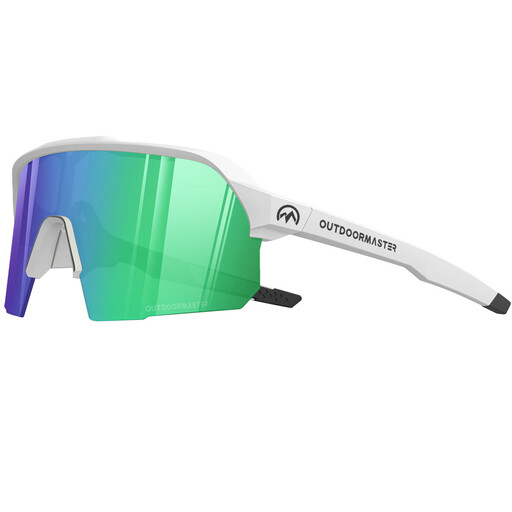
Why this product suits this profile: These sports glasses come with interchangeable lenses: one tinted lens and one clear spare. They’re a good fit for recreational sports enthusiasts who enjoy cycling, golf, fishing or sailing.
Interchangeable lenses mean you’re less likely to need a separate pair of glasses for every light condition. When changing lenses, handle them by the edges.
TR90 frame, HD polarised lenses, UV400 rating, clear spare lens and storage case, according to the product information.
We’ve put together a complete, regularly updated list of products that meet these strict selection criteria and fully comply with the safety regulations in force in the EU.
How long sports sunglasses last depends largely on how you look after them. First rinse off dust and sweat with clean water, then use a soft cloth. Alcohol, harsh cleaners and rough paper towels can damage coatings. Store the glasses in a case and don’t place them lens-side down.
Replace the glasses if you notice scratches, cracks or a loose frame. Even an undamaged lens can lose clarity over time as its coating wears. Sports glasses with interchangeable lenses can be handy, as spare lenses can be used and stored separately.
UV400 is an important protection rating, but it doesn’t cover every selection criterion. When cycling, you should also consider fit, field of vision, lens material, ventilation and impact resistance. A secure, non-slip fit is particularly important on fast descents or uneven terrain.
Polarised lenses reduce certain reflections, such as those from water or tarmac. Photochromic lenses change their tint according to UV intensity. Some glasses combine both features, as listed for certain OutdoorMaster models. Whether this is useful depends on your route, the weather, your speed and whether you’ll wear them in a vehicle.
There’s no set lifespan that applies to every pair. With careful cleaning and storage, sunglasses can last a long time. Scratches, cracks, damaged coatings or a loose fit are all clear reasons to replace them. If you use them regularly, it’s also worth checking whether spare lenses or a case are included.