
Lieferung heute & morgen

Qualitätsgarantie

Willkommens-Angebote freischalten: KOSTENLOSE Lieferung | Bis zu 80 % RABATT | Kostenlose 30-Tage-JoyPlus-Testphase
App herunterladen
A UV400 sports sunglasses needs to do more than an ordinary pair of sunglasses when you're cycling, running or hiking: it has to stay securely in place, reduce glare and handle changing light conditions as practically as possible. At the same time, big claims like "HD", "impact-resistant" or "polarised" don't automatically mean you're getting the right product.
The most common buying mistakes come down to three points:
The term UV400 indicates that the lens filters UV radiation up to a wavelength of 400 nanometres. When buying, this feature should be explicitly stated in the product specifications. A dark tint alone is not a reliable indicator of sufficient UV protection.
Additional details such as CE marking, material description and safety instructions help you assess the product. If the lenses are badly damaged or scratched, it's worth replacing them because your vision could be impaired. A sports sunglasses is also not automatically suitable for work involving high levels of splinters or flying sparks.
A polarised sports sunglasses reduces distracting reflections. This is particularly relevant on wet roads, near water or when driving. For road cycling, polarised TAC or polycarbonate lenses can be a practical choice.
A photochromic sunglasses changes its tint depending on UV exposure. In cloudy weather or on routes with varying conditions, this can make the transition between brighter and darker settings easier. However, check the stated tint range, for example Cat.0 to Cat.3, and be aware of the limitation inside a vehicle.
Light transmission is also important. A product with a stated VLT of 18 per cent, for instance, lets through less visible light than a model with a higher VLT. The right choice depends on the weather, time of day and your personal sensitivity to light.
A lightweight TR90 sunglasses can be more comfortable to wear on long rides. TR90 is a thermoplastic frame material that is often associated in product descriptions with low weight, flexibility and shape retention. However, that alone doesn't replace checking the measurements.
Pay attention to:
The term impact-resistant sports sunglasses should be treated with caution. Polycarbonate or nylon lenses can have impact-resistant properties, but they are not indestructible. The manufacturer's safety instructions remain the deciding factor.
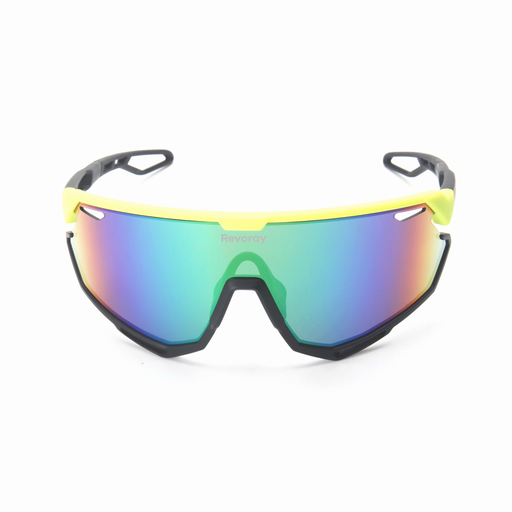
Why this product suits the profile: This cycling sunglasses is designed for road cycling and other outdoor activities, offering a straightforward set of features for getting started.
The product specifications mention UV400 protection, a one-piece PC lens and anti-slip elements, rather than relying solely on fashionable terms.
TR90 frame, PC lens, approximately 30 g weight and aerodynamic shape according to the product description.
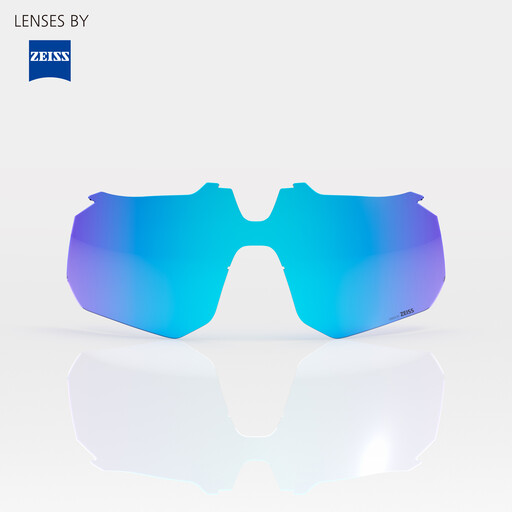
Why this product suits the profile: For users who value defined optical and care-related properties when cycling, hiking or driving.
The specifications state a specific light transmission of 18–43 per cent, as well as UV400 protection and multiple coatings.
According to the product description, the lenses are scratch-resistant, water-repellent and have an oleophobic coating.
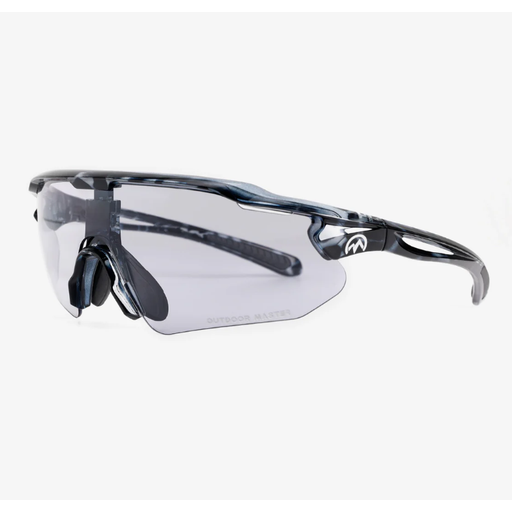
Why this product suits the profile: This model combines photochromic and polarised features for people who frequently switch between different outdoor conditions.
The product data lists UV400, polarisation, photochromic adjustment and a weight of approximately 26–29 g separately.
TR90 frame, adjustable nose pads and a stated field of vision with 20 per cent more peripheral coverage.
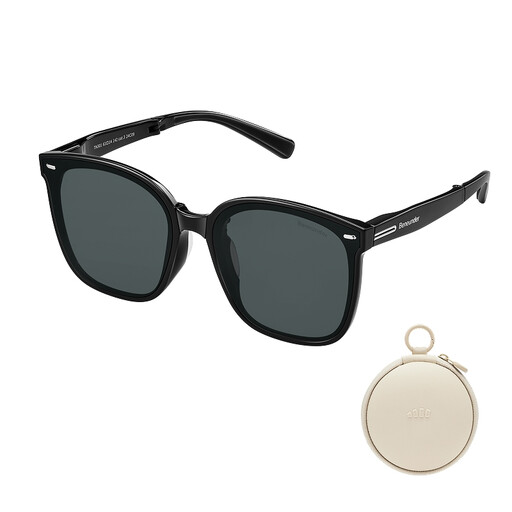
Why this product suits the profile: The foldable sunglasses is ideal for travel, driving and everyday storage in a bag or rucksack.
The construction states specific measurements: when folded, the thickness is 35 mm according to the product details; the weight is 26 g.
TR90 frame, UV400 protection, anti-reflective coating and a triple-fold design according to the product description.
We've put together a complete, regularly updated list of products that fully meet these strict selection criteria and the safety regulations in force in the EU.
The lifespan depends more on use, cleaning and storage than on any single marketing label. First rinse off dust with clean water, then use a soft microfibre cloth. Dry particles can cause scratches when rubbed.
Avoid harsh cleaning products, high temperatures and loose storage with keys or tools. A hard case protects the lenses during transport. If the temple arms become loose, the lenses are damaged or your vision is permanently impaired, the sunglasses should no longer be used for sporting activities.
No. Polarisation primarily describes the reduction of certain reflections. The UV400 protection should be stated separately in the product specifications. When comparing cycling sunglasses, you should therefore check both details.
It's not possible to give a fixed lifespan reliably. Regular cleaning, storage in a case and careful handling can extend the useful life. Scratches, cracks or a loose construction indicate it's time for a replacement.
Only to a limited extent. The tint reacts to UV exposure, which can be reduced by a windscreen. For driving, you should therefore check the details about photochromic adjustment and, if necessary, choose a model whose tint is explicitly stated as suitable for this use.