
Lieferung heute & morgen

Qualitätsgarantie

Willkommens-Angebote freischalten: KOSTENLOSE Lieferung | Bis zu 80 % RABATT | Kostenlose 30-Tage-JoyPlus-Testphase
App herunterladen
UV400 sports sunglasses should do more than simply look good when cycling, running, playing golf or driving. In practice, unclear product information, an unsuitable tint or an unstable frame can quickly lead to the wrong purchase. The term “UV400” alone, for example, says nothing about how well a pair of sunglasses protects against glare or whether it is suitable for changing light conditions.
As a Joybuy Product Recommendation Officer, I therefore filter the relevant information according to clear criteria: UV protection, lens technology, weight, fit, materials and intended use.
UV400 protection describes protection against ultraviolet radiation up to a wavelength of 400 nanometres. It is an important safety parameter, but does not replace polarised or sufficiently tinted lenses. A pair of polarised sunglasses can offer additional benefits against reflections from water, wet roads or snow.
You should therefore look for a combination of:
Photochromic sunglasses adjust their tint depending on the level of UV exposure. This is practical in changeable weather or on longer bike rides. In a vehicle, however, the automatic darkening may be limited because the windscreen blocks some UV radiation.
For sunglasses for driving, a moderate base tint, clear vision and an anti-reflective coating are therefore often more important than strong photochromic adjustment.
Lightweight sunglasses reduce pressure on the nose and ears. However, the fit remains crucial. Temples that are too wide can slip, while cycling glasses that are too tight can cause pressure points after prolonged use. Adjustable nose pads, flexible temples and non-slip elements are therefore practical features.
With UV400 sports sunglasses, the UV protection should be clearly stated in the product details. A CE marking indicates declared conformity with the relevant EU requirements. However, it does not automatically make the sunglasses industrial safety eyewear.
Even shatter-resistant sunglasses with impact-resistant polycarbonate or nylon lenses are not intended for grinding, machine work or direct observation of the sun. Damaged or heavily scratched lenses should be replaced.
Polarised lenses reduce certain reflections and can make viewing water, road surfaces or bright outdoor areas more comfortable. This feature is often relevant for anglers, golfers and drivers. However, polarisation can affect the visibility of some LCD displays.
The VLT value describes how much visible light passes through the lens. A lower value indicates a darker tint, while a higher value indicates a lighter lens. For changing weather conditions, flexible or interchangeable lens technology may be more useful than a permanently very dark tint.
TR90 is a thermoplastic frame material associated with low weight and flexible properties in the models presented here. The material alone does not guarantee a universal fit, however. You should also check the frame width, temple length, bridge width and weight.
Foldable sunglasses are practical for backpacks, luggage or the glove compartment. At the same time, the hinges should be handled carefully and the sunglasses stored in their case. This helps avoid unnecessary scratches and strain on the folding mechanism.
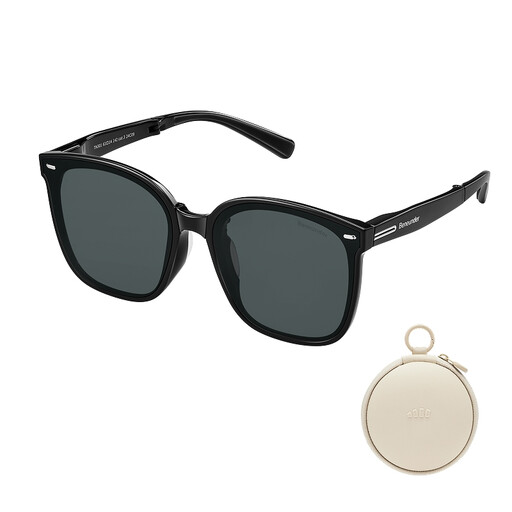
Why this product suits the profile: These sunglasses combine UV400 protection with a foldable design, making them suitable for everyday use, travel and occasional outdoor activities.
The product details specify UV400 protection, a weight of 26 g and a three-fold design. This makes the relevant buying criteria more specific than a purely style-focused description.
TR90 frame, nylon lenses, UV400 protection, anti-reflective coating and a folded size of 35 mm according to the product description.
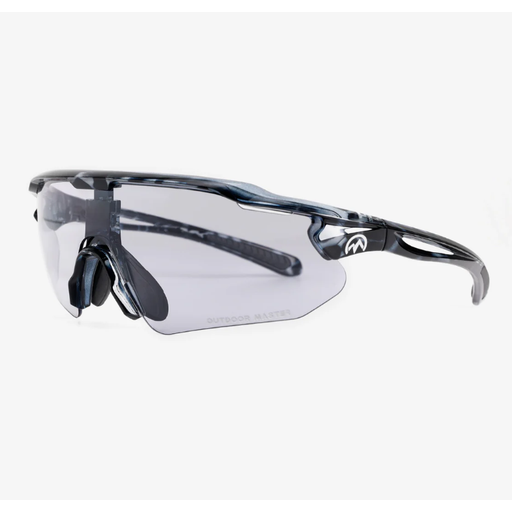
Why this product suits the profile: For cyclists and versatile outdoor users, the combination of photochromic and polarised lenses, together with adjustable nose pads, is particularly useful.
The details explicitly point out that the photochromic function may be limited inside a vehicle by the windscreen. This avoids overstating the product’s suitability.
TR90 frame, polycarbonate lenses, UV400 protection, polarisation, adjustable nose pads and a weight of 26 to 29 g according to the product details.
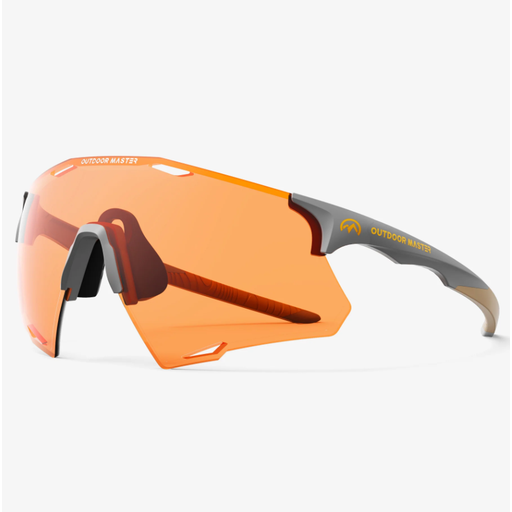
Why this product suits the profile: These cycling glasses are designed for people who value glare reduction, ventilation and a secure fit during sports activities.
The product description mentions a ventilated lens construction and adjustable nose pads. This addresses two common problems during intensive use: fogging and slipping glasses.
Polarised polycarbonate lenses with UV400 protection, TR90 frame, silicone elements, ventilation and a stated weight of 25.5 g.
We have put together a complete, regularly updated list of products that fully meet these strict selection criteria and the safety regulations applicable in the EU.
The lifespan of a pair of sunglasses depends greatly on how they are stored and cleaned. Use a soft microfibre cloth and avoid aggressive cleaning products or rough paper towels. Do not place the lenses directly on hard surfaces. With foldable models, move the temples without applying sideways pressure.
UV400 sports sunglasses should be replaced if the lenses are noticeably scratched, the coatings are damaged or the frame and hinges have become unstable. Even a good frame cannot guarantee a secure fit if its dimensions do not suit the shape of your face.
UV400 is an essential protection parameter against ultraviolet radiation. To make the right choice, you should also consider the tint, polarisation, fit and intended use. UV400 alone does not describe the level of glare protection.
For cycling, a secure fit, low weight, UV400 protection and sufficient side coverage are important. Polarised cycling glasses can reduce reflections. In changing light, photochromic sunglasses can be practical; in the car, however, their adjustment may be limited.
Store them folded in the supplied case and clean the lenses with a soft cloth. When folding them, use the designated hinges and avoid forcing them at an angle. This helps reduce scratches and unnecessary strain on the frame.