
Lieferung heute & morgen

Qualitätsgarantie

Willkommens-Angebote freischalten: KOSTENLOSE Lieferung | Bis zu 80 % RABATT | Kostenlose 30-Tage-JoyPlus-Testphase
App herunterladen
UV400 sports sunglasses should do more than simply protect your eyes from bright light. When cycling, running, driving or travelling, a secure fit, low weight and suitable tint all matter. At the same time, many models are promoted with terms such as “HD”, “High Performance” or “Anti-Glare”, without clearly explaining the technical details that really count.
The following buying and selection criteria will help you assess marketing claims and choose cycling sunglasses suited to how you actually intend to use them.
UV400 protection describes the range of ultraviolet radiation that the lenses are intended to filter up to a wavelength of 400 nanometres. On its own, however, this says nothing about how much visible light is reduced. For changing light conditions, additional details such as the tint category or VLT value are therefore relevant.
Sunglasses with UV400 protection may still feel too light in strong sunlight. Conversely, a very dark tint is not automatically suitable for every situation.
Polarised sunglasses can reduce reflections from roads, water and bright surfaces. This is helpful when cycling, fishing or driving, for example. However, they are not automatically suitable for every display: depending on the viewing angle, some LCD screens may appear darker or be harder to read.
If you frequently move between indoor and outdoor areas, you should instead consider photochromic sunglasses. Their tint changes according to UV exposure. This effect may be limited inside a vehicle because windscreens filter out some UV radiation.
Lightweight sunglasses are comfortable on long journeys. However, what matters is whether the nose pads and arms stay securely in place while you are moving. Frames that are too wide can slip sideways, while arms that are too tight may cause pressure points.
Materials such as TR90 are often used for sports frames. This thermoplastic material is lightweight and flexible. Even so, the specific construction should be assessed: adjustable nose pads, non-slip arm tips and sufficient coverage are often more important in everyday use than the frame material alone.
Look for clear information about UV400 protection and consider the intended use. A darker tint may be useful for sunny bike rides or exposed mountain routes. On forest paths, in cloudy weather or when moving frequently between different light conditions, your vision should not be unnecessarily darkened.
The protection category and VLT value provide additional guidance:
When driving, the sunglasses must not impair your view of traffic signals, instruments or displays. Very dark lenses and certain polarised lenses should therefore be tested before extended use in a vehicle.
Sunglasses with glare protection may combine different technologies. Polarised lenses reduce certain reflected light components. An anti-reflective coating reduces reflections on the lens surfaces. Scratch-resistant and oleophobic coatings can make everyday care easier.
These features do not mean the sunglasses are indestructible. Even impact-resistant polycarbonate or nylon lenses can be damaged. The sunglasses should be replaced if there are scratches in the central field of vision.
For cycling, a wide field of vision, a secure fit and as few open areas at the sides as possible are important. Ventilated lenses can help reduce fogging during strenuous activities. When choosing sunglasses for outdoor sports, you should also consider wind, dust and frequent head movements.
Foldable sunglasses are particularly practical for travellers, commuters and drivers. Check the following:
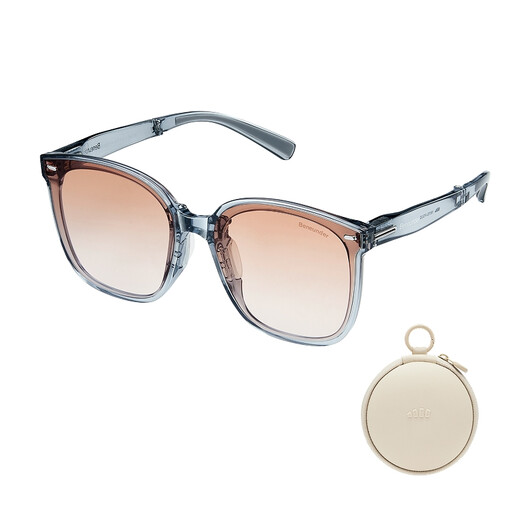
Why this product suits this profile: This model is aimed at users looking for compact sunglasses for everyday use, driving and travel. According to the product information, the TR90 frame weighs 26 g and folds down to approximately 35 mm thick.
The product description lists UV400, an anti-reflective coating, weight and folded dimensions instead of relying solely on style-focused marketing. This makes it easier to check the details before buying.
TR90 frame, nylon lenses, UV400 specification and a three-fold design with compact folded dimensions.
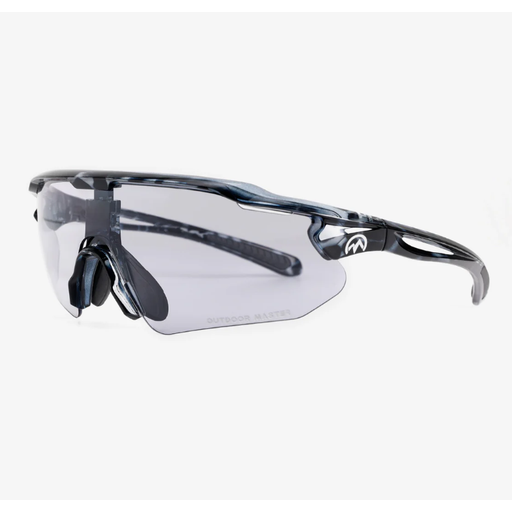
Why this product suits this profile: This model combines photochromic and polarised polycarbonate lenses with a TR90 frame. Adjustable nose pads support a more personalised fit when cycling and during a range of outdoor activities.
The specifications list the weight, lens technology, UV400 protection and adjustment features separately. This makes it easier to compare the intended use with your own lighting conditions.
Photochromic and polarised lenses, UV400 specification, adjustable nose pads, plus a supplied case and cleaning cloth.
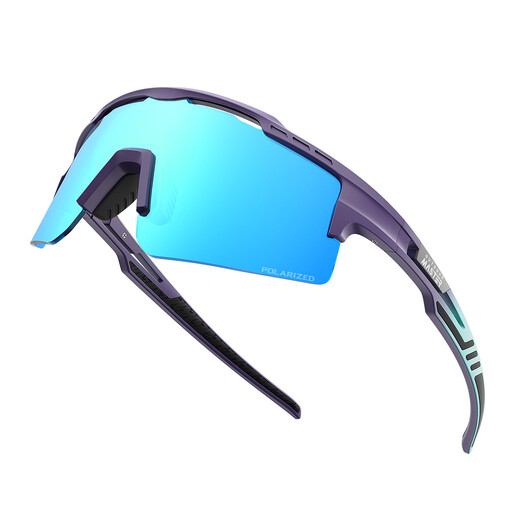
Why this product suits this profile: These cycling sunglasses are designed for activities involving movement and airflow. Polarised TAC lenses, an aerodynamically designed shape and the TR90 frame are suited to users who cycle regularly or take part in other outdoor sports.
The product data lists UV400, polarised lenses, impact resistance and the included accessories separately. This means the product is not relying solely on a general “sports” label.
Polarised TAC lenses with a UV400 specification, TR90 frame, case, cleaning cloth and replaceable lanyard.
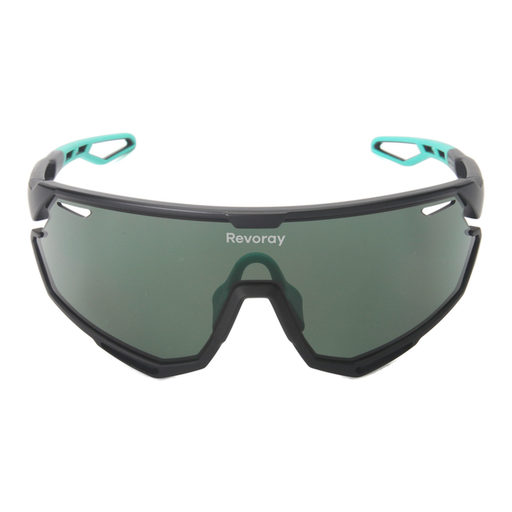
Why this product suits this profile: The one-piece PC lens and non-slip elements are designed for cycling, running and high-movement outdoor activities. The stated weight is approximately 30 g.
The specifications make the material, weight, fit and care instructions clear. However, the sunglasses are not described as a replacement for certified protective eyewear for industrial activities.
One-piece PC lens, TR90 frame, UV400 specification, rubber nose and arm pads, plus a stated one-year limited warranty.
We have put together a complete, regularly updated list of products that fully meet these strict selection criteria and the safety regulations applicable in the EU.
Durability depends largely on the hinges, coatings and daily handling. Do not place the sunglasses lens-side down, and store them in their case. Sand and dust should first be rinsed off with water before using a microfibre cloth.
Alcohol, harsh cleaning products and rough paper towels can damage coatings. Foldable models should only be moved in the intended direction. It is not possible to specify a fixed service life as a general rule: visible scratches, loose arms or a distorted frame are practical reasons to replace the sunglasses.
This depends on the tint, light transmission and lens type. Check whether traffic signals, dashboards and displays remain clearly visible. With photochromic lenses, the darkening effect may be weaker inside a vehicle because the windscreen filters UV radiation.
Polarised lenses are designed to reduce certain reflections. Photochromic lenses respond to changing UV exposure. If you often cycle between sunlight and shade, you should consider the changing light conditions and whether you will use the sunglasses in a vehicle. There is no single recommendation that suits every route.
With proper care, frames and lenses can be used for a long time. Their actual service life depends on UV exposure, sweat, falls, folding and cleaning. The sunglasses should be replaced as soon as scratches affect your vision or they no longer fit securely.