
Lieferung heute & morgen

Qualitätsgarantie

Willkommens-Angebote freischalten: KOSTENLOSE Lieferung | Bis zu 80 % RABATT | Kostenlose 30-Tage-JoyPlus-Testphase
App herunterladen
Sunglasses should do more than simply look good. For cyclists, outdoor enthusiasts, travellers and drivers, the key considerations are UV protection, a secure fit, visual comfort and everyday practicality. Marketing terms such as “HD”, “Sport Performance” or “Anti-Glare” alone say little about how suitable a pair really is.
As a Joybuy Product Recommendation Officer, I therefore filter the relevant information using clear, verifiable criteria. This helps you avoid common buying mistakes – such as choosing sunglasses that slip while cycling, take up too much space in their case or impair your view when driving because of unsuitable tinting.
UV400 describes the range of protection provided by the lenses, up to a wavelength of 400 nanometres. According to the manufacturers’ specifications for the respective products, UV400 lenses are intended to reduce UVA and UVB radiation within the stated range. This is an important product feature, but it does not replace checking the labelling, conformity information and manufacturing quality.
A dark tint alone is not proof of UV protection. With very inexpensive models that provide no clear information, it is often impossible to tell which protection category they actually offer.
Polarised sunglasses can reduce reflections from water, wet roads and bright surfaces. This can be useful for fishing, cycling and certain outdoor activities. When driving, however, you should check whether polarisation affects the visibility of displays, navigation devices or certain windscreens.
Polarisation and UV400 are also two different features: a lens can be polarised without its level of UV protection being adequately specified.
Lightweight sunglasses made from TR90 can be comfortable on long trips. However, the nose bridge, temple length, frame width and non-slip elements remain crucial. If the glasses are too loose, they may slip while walking or cycling. If they are too tight, they can put pressure on your temples or the bridge of your nose.
Look for clear information about UV400 protection, as well as product and conformity details. For sunglasses used on the road, the tint is also important. Very dark lenses are not automatically suitable for every driving situation.
The protection category describes how much light passes through the lens. For changing light conditions, photochromic sunglasses may be worth considering. Their tint changes depending on UV exposure. According to the manufacturers’ specifications, this effect may be reduced inside vehicles because windscreens filter out some UV radiation.
Polycarbonate lenses are used in many sports models because of their impact resistance. Nylon lenses can also be lightweight and provide clear colour reproduction. Even scratch-resistant sunglasses are not indestructible: sand, rough cloths and loose storage can damage their coatings.
Anti-reflective coatings can reduce distracting reflections on the lens surface. A pair of glare-free sunglasses should therefore be assessed not only by its marketing terminology, but also by the specific coating details provided.
TR90 is a thermoplastic frame material that is often described in product specifications as flexible and lightweight. Even so, you should check the actual measurements:
Folding sunglasses are practical if you want them to fit into a small bag or side pocket. Hinges and folding mechanisms should be handled carefully, and the glasses should be stored in their case.
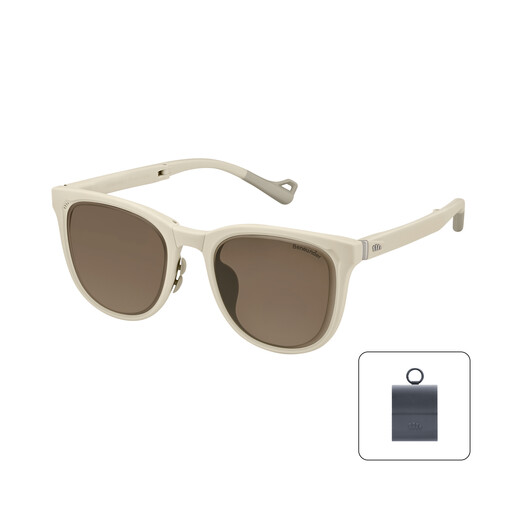
Why this product suits this profile: This model combines a classic shape with a folding design, making it suitable for everyday wear, walks and travel.
According to the manufacturer’s specifications, the glasses feature UV400 protection along with scratch-resistant and oleophobic coatings. The dimensions and weight of 0,97 oz are clearly specified.
TR90 frame, folding design, adjustable temples and two-axis nose bridge.
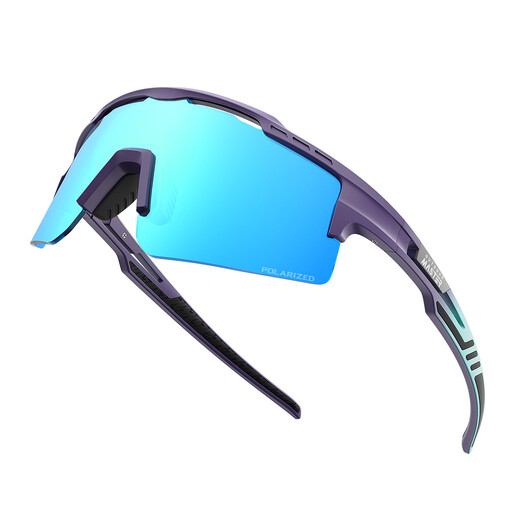
Why this product suits this profile: This sports design is made for cycling and high-movement outdoor activities, with polarised TAC lenses and a TR90 memory frame.
The product description specifies UV400 protection, impact-resistant properties and an aerodynamic frame design. This makes it easier to choose than relying on marketing claims alone.
Polarised TAC lenses, UV400 specification, impact-resistant frame and storage pouch.
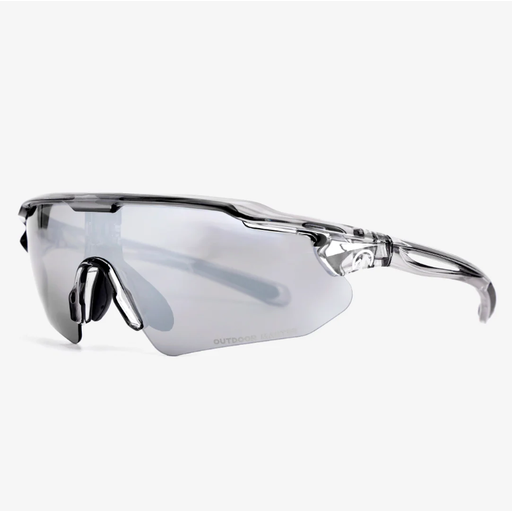
Why this product suits this profile: For cyclists and outdoor enthusiasts facing changing light conditions, this model combines photochromic and polarised lenses.
The specifications describe both how the tint adapts and its limitation inside a vehicle: behind a windscreen, the photochromic effect may be less pronounced.
TR90 frame, PC lenses, adjustable nose pads, UV400 specification and a weight of approximately 26 to 29 g.
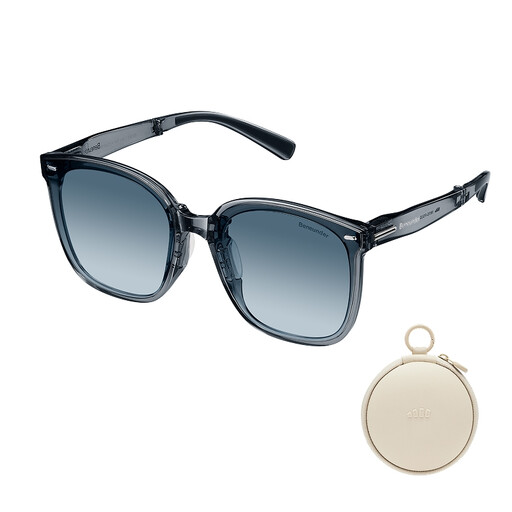
Why this product suits this profile: This model is designed for compact storage, making it a good choice for travel, everyday use and spending longer periods outdoors.
The product specifications state a folded dimension of 35 mm, a weight of 26 g, UV400 protection and an anti-reflective coating. When driving, however, you should still check how well you can see displays for yourself beforehand.
Tri-fold construction, TR90 frame, nylon lenses and specified scratch-resistant coating.
We have put together a complete, regularly updated list of products that fully meet these strict selection criteria and the safety regulations applicable in the EU.
Even coated sunglasses need to be stored properly. First rinse off dust with clean water, then use a soft microfibre cloth. Paper, clothing and harsh cleaning products can damage lenses and coatings.
Keep your glasses in the case supplied and do not place them lens-side down. If you notice scratches, loose temples or damaged lenses, the sunglasses should no longer be used for sports activities. There is no universally fixed lifespan, as usage, care, temperature and mechanical stress all play an important role.
UV400 refers to the stated protection up to 400 nanometres. Buyers should also check the product labelling, conformity information, tint category and fit. A dark lens with no clear information about UV protection is not sufficient as a selection criterion.
That depends on the tint, the vehicle and your personal perception. Reflections may be reduced, while certain displays or readouts may appear differently. Test your visibility before longer journeys and avoid heavily tinted lenses if they make the lighting conditions difficult to judge.
There is no fixed service life. With careful cleaning, storage in a case and careful handling, frames and coatings can remain functional for longer. Scratches, damaged lenses or misshapen temples are signs that the sunglasses should be replaced.