
Lieferung heute & morgen

Qualitätsgarantie

Willkommens-Angebote freischalten: KOSTENLOSE Lieferung | Bis zu 80 % RABATT | Kostenlose 30-Tage-JoyPlus-Testphase
App herunterladen
UV400 sunglasses should protect your eyes from ultraviolet radiation while also being suitable for how you intend to use them. The requirements for your daily commute are different from those for a long bike ride, driving or travelling. Marketing terms such as “HD”, “sports quality” or “premium lenses” say little by themselves about fit, filtering performance and suitability for everyday use.
UV400 describes protection up to a wavelength of 400 nanometres. This is relevant information about filtering performance, but it says nothing about glare, tint level, field of vision or wearing comfort. Glasses can offer UV400 protection and still be unsuitable for certain situations, such as changing light conditions or sports.
You should therefore also check the information on lens material, tint, coatings and intended use. For products that quote specific percentages, bear in mind that these should be understood as the manufacturer’s specifications, not as a universally applicable feature of every pair of sunglasses.
Polarised sunglasses can reduce reflected light, for example from wet roads or the surface of the water. However, polarisation does not automatically replace UV protection. The key is to ensure that both features are explicitly stated: UV400 and polarised.
When driving, you should also be aware that certain displays or instruments may appear with lower contrast through polarised lenses, depending on the viewing angle. It is therefore worth carrying out a quick check inside the vehicle.
Lightweight TR90 sunglasses can be comfortable to wear. For sports, however, they must also stay securely in place while you are moving. Slipping arms, a front that is too wide or a poorly fitting nose bridge can affect usability more than a slightly higher weight.
For cycling glasses, non-slip elements, an adequate field of vision and a shape that suits your face are therefore more important than a single advertised figure.
Check whether UV400, UV protection or a comparable protection range is expressly stated in the product details. A dark tint alone is not a reliable indication of UV protection. For products sold on the European market, the product labelling, manufacturer’s details and, where applicable, CE marking should also be verifiable.
Polycarbonate is widely used in many sports models because of its impact resistance. Nylon lenses may be used in lightweight everyday and folding models. Coatings designed to reduce reflections, scratches or fingerprints can also make care easier. However, they do not make a lens indestructible.
Clean sunglasses with water and a soft microfibre cloth. Alcohol, harsh cleaning products and rough textiles can damage coatings.
Compare the frame width, bridge width, arm length and weight with a pair of glasses that fits you well. For cycling sunglasses, an extended side field of vision and a secure fit are particularly important. For travelling, on the other hand, folding sunglasses with a small packed size may be more practical.
Photochromic sunglasses adjust their tint to the intensity of UV light. This effect may be limited inside a vehicle because windscreens filter out some UV radiation. For driving, a suitable fixed tint or specially designed driving sunglasses is often a more predictable choice.
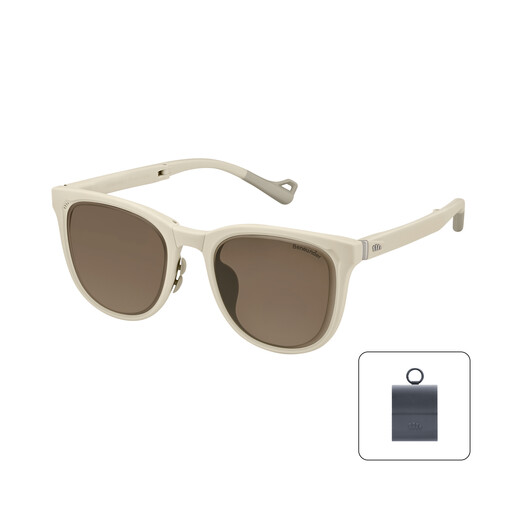
Why this product suits the profile: The classic Boston shape is suitable for everyday wear, travelling and occasional outdoor activities. According to Beneunder’s specifications, the frame is made from lightweight TR90 and the glasses weigh approximately 0.97 oz.
The folding design reduces the risk of the glasses being left loose in a bag or rucksack. The product details specify UV400, anti-reflective and oleophobic coatings.
TR90 frame, folding design, adjustable arms and movable nose pads.
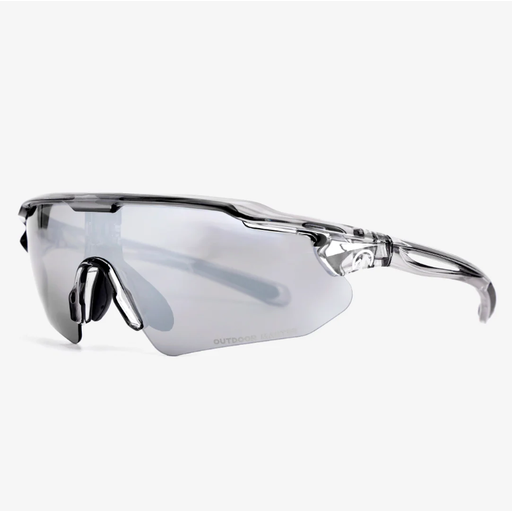
Why this product suits the profile: According to OutdoorMaster’s specifications, this model combines photochromic, polarised polycarbonate lenses with UV400 protection and a TR90 frame. This makes it suitable for changing light conditions when cycling and during other outdoor activities.
The product details specify both UV400 and polarisation. The tint is designed to adapt to changing outdoor light, but this does not replace checking visibility inside a vehicle.
Photochromic and polarised lenses, adjustable nose pads, and a weight of approximately 26–29 g according to the manufacturer’s specifications.
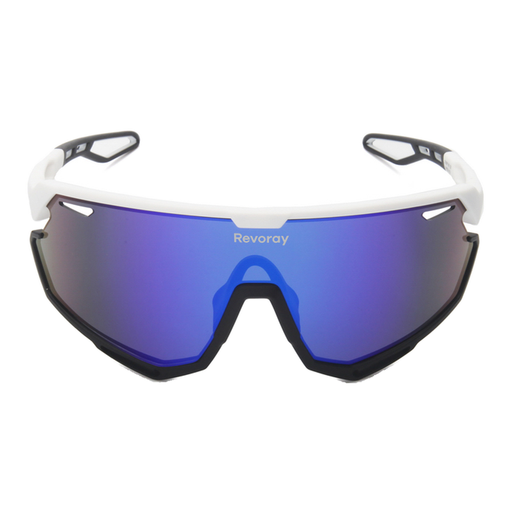
Why this product suits the profile: According to Revoray’s specifications, this model is aimed at road cyclists, mountain bikers and people who frequently take part in outdoor activities. The single-piece PC lens and stated weight of approximately 30 g are designed for movement.
The specifications mention a non-slip nose bridge, non-slip arms and a broad, uninterrupted field of vision. This means the fit is not judged solely by the weight of the frame.
UV400 protection, single-piece PC lens, TR90 frame and aerodynamic shape according to the product description.
We have put together a complete, regularly updated list of products that fully meet these strict selection criteria and the safety regulations applicable in the EU.
Lifespan depends greatly on use, storage and care. Keep your glasses in a case and avoid placing the lenses on hard surfaces. If the glasses are scratched, the hinges are loose or the arms have become distorted, the model should no longer be used if this affects visibility or fit.
Folding sunglasses are practical for travelling, but the joints require careful handling. With cycling glasses, you should also check whether the nose pads and rubber elements can be replaced or are available separately.
Not automatically. Check the tint level, visibility in changing light and how displays appear. With photochromic models, the lenses may darken less behind the windscreen.
It is not possible to give a reliable fixed period. If the lenses are undamaged, the protection may remain effective in line with the manufacturer’s specifications. Scratches, damaged coatings or a distorted frame are reasons to replace the glasses.
UV400 is the key protection specification against ultraviolet radiation. Polarisation can additionally reduce reflections. When cycling, a secure fit, an adequate field of vision, ventilation and lens material suited to the activity are also important.