
Lieferung heute & morgen

Qualitätsgarantie

Willkommens-Angebote freischalten: KOSTENLOSE Lieferung | Bis zu 80 % RABATT | Kostenlose 30-Tage-JoyPlus-Testphase
App herunterladen
A UV400 sunglasses should do more than just dim bright light. For drivers, cyclists and outdoor sports enthusiasts, a clear view, a reliable fit and the right tint are essential. At the same time, product specifications are not always directly comparable: "UV400", "polarised" or "impact-resistant" describe different features.
As a Joybuy Product Recommendation Officer, I filter out the key details and organise them according to specific usage scenarios. This helps you avoid common buying mistakes.
The term UV400 refers to the protection range up to a wavelength of 400 nanometres. On its own, however, it says nothing about fit, field of vision, scratch resistance or build quality. Buyers should therefore also look at information on lens material, coatings and certification.
A pair of sunglasses with UV protection may be suitable for everyday wear, whereas sports sunglasses for fast movements require additional features: non-slip nose pads, flexible temples or impact-resistant lenses.
A polarised sunglasses reduces certain reflections, for example from wet roads, water surfaces or metal. However, it does not automatically adjust its brightness to changing light conditions. That function is typical of a photochromic sunglasses.
For driving, you should check whether the combination of tint and polarisation is compatible with your personal visual comfort and the use of displays or navigation devices.
A lightweight pair of sunglasses can be more comfortable on long journeys or trips. But frame width, bridge length, temple length and nose pads remain crucial. A frame that is too wide can slip, while one that is too tight can cause pressure points.
With a foldable sunglasses, the hinges should be operated gently and the glasses stored in a case. Compact dimensions are practical, but they do not replace robust construction.
Look for a clear specification such as UV400 protection or a corresponding product marking. For bright outdoor conditions, light transmission is also relevant. With the Revoray-Y1 series, for example, a visible light transmission of around 15.2% is stated. This is a concrete technical specification that is easier to assess than vague claims like "extra dark".
A very dark lens is not automatically suitable for every situation. For changeable weather, photochromic lenses with a stated range such as Cat. 0 to Cat. 3 can be more practical. For indoors, cloudy stretches or tunnels, you should still realistically assess the adjustment speed.
TAC or PC lenses can be equipped with a polarising layer. This reduces certain reflections, but does not automatically protect against every distracting light source. An anti-glare sunglasses can additionally feature an anti-reflective coating.
Water and oil-repellent coatings make cleaning easier. Scratch protection extends usability, but does not prevent damage from keys, sand or improper cleaning. Use a soft microfibre cloth and store the glasses in a suitable case.
TR90 is a commonly used polymer for lightweight, flexible spectacle frames. However, the material alone is not proof of a specific durability. Also check the weight, temple shape and any non-slip elements.
For a cycling glasses or sports cycling glasses, a secure fit, a sufficiently large field of vision and a certain level of impact resistance are particularly important. According to product specifications, the Revoray-Y1 series has been tested for impact resistance in accordance with ANSI Z87.1 requirements. Such a statement should always be considered in the context of the specific product description.
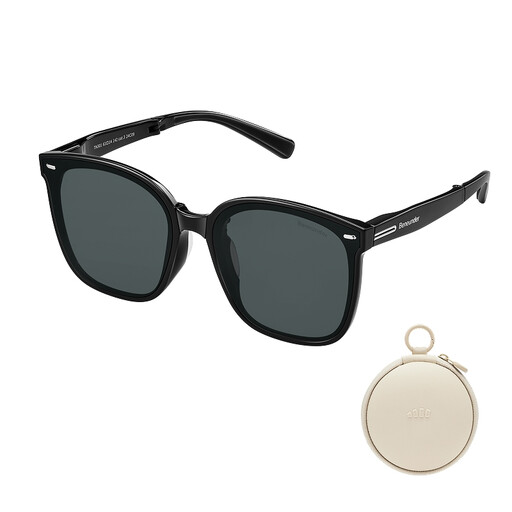
Why this product fits the profile: The foldable design is suitable for everyday life, travel and occasional driving. The stated weight of 26 g and the TR90 frame keep your luggage compact.
The product specifications mention UV400 protection, OAR anti-reflective coating and specific folded dimensions of around 35 mm thickness.
26 g weight, triple-foldable frame and scratch-resistant multi-layer coating according to the product description.
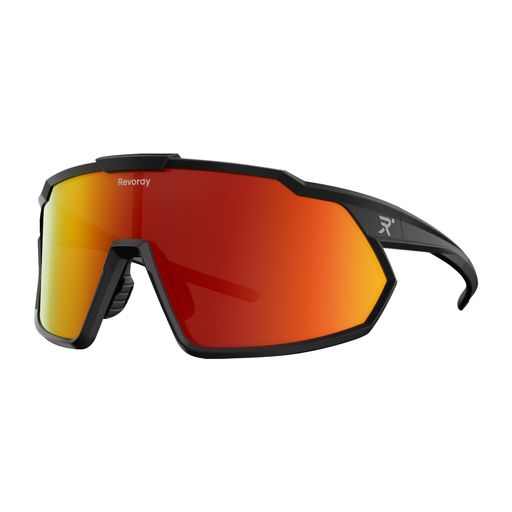
Why this product fits the profile: For regular cycling and outdoor activities, the lenses combine polarisation, UV400 protection and adjustable silicone pads.
The specifications state a visible light transmission of around 15.2%, rather than describing the tint only in marketing terms.
33 g weight, TAC polarised lenses, TR90 frame and water and oil-repellent coating according to product data.
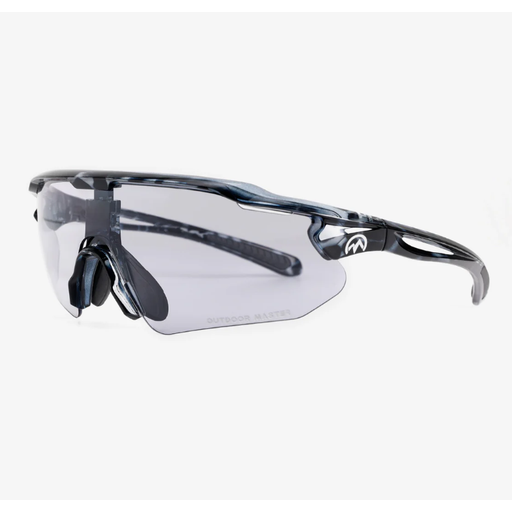
Why this product fits the profile: The photochromic cycling glasses are aimed at users who move between sun, shade and changing outdoor conditions.
The lens function is specifically described as photochromic and polarised; the stated weight range is 26 to 29 g.
UV400 protection, adjustable nose pads, TR90 frame and an included insert for prescription lenses according to the product description.
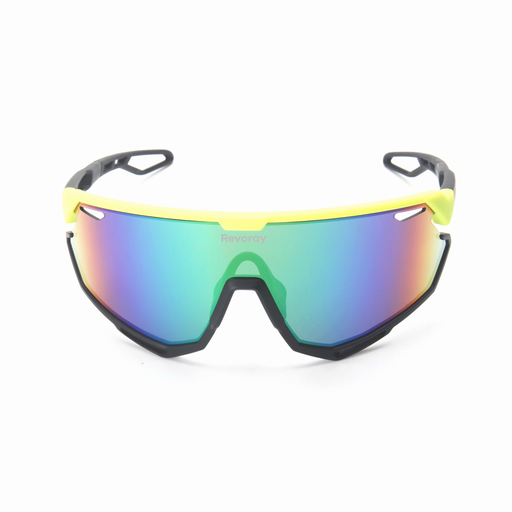
Why this product fits the profile: This model is designed for cycling sports and intensive outdoor use, featuring a one-piece PC lens with a large field of vision.
The product description mentions PC lens, UV400 protection, rubber pad and non-slip temples rather than just general sports suitability.
Approximately 30 g weight, aerodynamic shape and impact-resistant one-piece PC lens according to product specifications.
The lifespan depends more on care and use than on the UV400 label alone. First rinse off dust with clean water, then wipe the lenses with a soft cloth. Alcohol, harsh cleaners and dry paper towels can damage coatings.
Do not store your sunglasses loose with keys or sports equipment. With foldable models, move the hinges without force. Visible scratches in the central field of vision, loose temples or damaged coatings indicate it is time for a replacement.
We have compiled a complete, regularly updated list of products that fully meet these strict selection criteria and the safety regulations in force in the EU.
UV400 describes the UV protection range up to 400 nanometres. For a well-informed choice, you should also check the fit, tint, lens material, coatings and intended use.
Polarisation can reduce reflections from roads or wet surfaces. Whether it is suitable for driving depends on the tint strength, visual comfort and use of displays. Check the specific manufacturer's information and the applicable requirements.
It is not possible to give a reliable fixed lifespan. With careful cleaning, storage in a case and normal use, they can last a long time. Scratches, damaged coatings or an insecure fit are reasons to replace the glasses regardless of their age.