
Lieferung heute & morgen

Qualitätsgarantie

Willkommens-Angebote freischalten: KOSTENLOSE Lieferung | Bis zu 80 % RABATT | Kostenlose 30-Tage-JoyPlus-Testphase
App herunterladen
Choosing a new vacuum cleaner can quickly become overwhelming. Manufacturers advertise high suction power ratings, long battery runtimes, and intelligent features. However, in everyday use, these promises often turn out to be marketing hype, leading to unsatisfactory cleaning results and unnecessary expenses. As your Joybuy Product Recommendation Officer, I'll help you identify the crucial features and avoid common purchasing traps.
A vacuum cleaner that loses performance after just a few months or whose maintenance takes more time than the actual cleaning is a nuisance. Before you make a decision, you should be aware of the three most common pitfalls:
To avoid a bad purchase, you should focus on objective, practical criteria. These three parameters are crucial for the performance and longevity of a vacuum cleaner.
Instead of relying solely on the Pascal rating, you should consider the entire suction system.
A high-quality filtration system is essential for a healthy living environment.
Choosing the right type depends on your living situation and cleaning habits.
Here are three recommendations tailored to specific user profiles that purposefully avoid the pitfalls mentioned earlier.
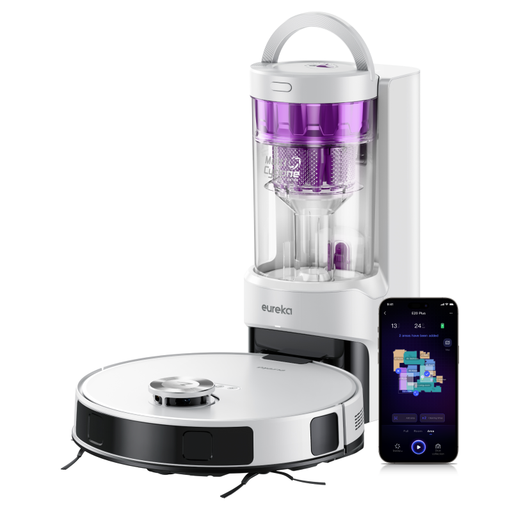
Why This Fits Their Persona: Ideal for those seeking a fully automated and efficient cleaning solution. The combination of LiDAR navigation, strong suction, and automatic emptying minimises manual effort and saves valuable time in daily life.
The bagless auto-empty station holds up to 60 days of debris, bypassing the trap of frequent, unhygienic emptying. Precise obstacle avoidance and edge cleaning prevent inefficient cleaning patterns.
The automatic 10 mm mop-lift protects carpets from getting wet. The bagless station reduces operating costs and waste compared to systems with disposable bags.
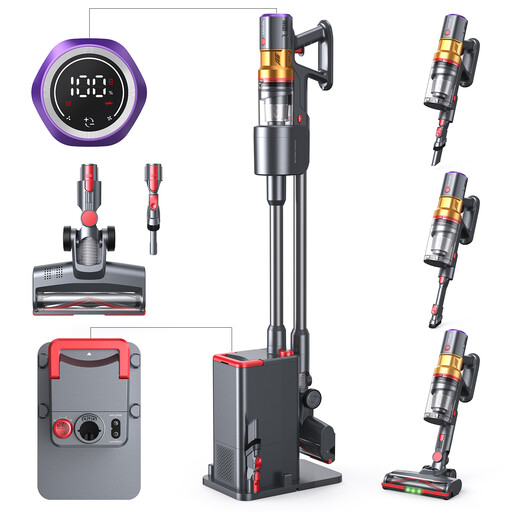
Why This Fits Their Persona: Engineered for the challenges of pet hair. Its high 27 kPa suction power, combined with the specialised brush, ensures a deep clean on both hard floors and carpets, while the self-standing design offers flexibility.
The tangle-free brush roll prevents the constant manual removal of hair, a major issue with conventional vacuums in pet-friendly homes. The auto-empty station minimises contact with dust and allergens during disposal.
The combination of a flexible stick vacuum and a convenient auto-empty station is rare, offering the best of both worlds. The green headlight reveals invisible dirt.
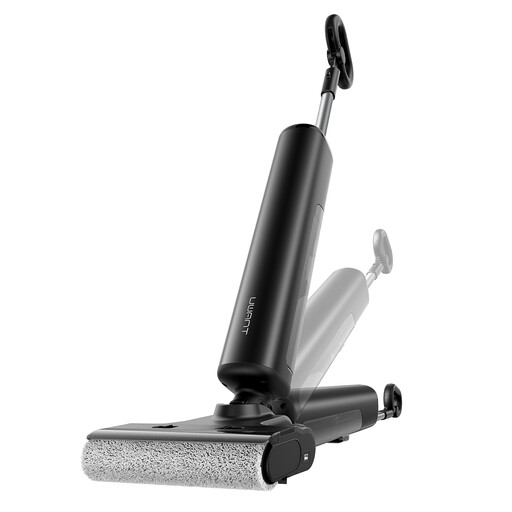
Why This Fits Their Persona: Perfect for a thorough and hygienic clean on hard floors. This vacuum mop removes sticky messes and daily grime in one pass and then cleans itself, making it ideal for households with children.
The self-cleaning station with hot air drying prevents mould and unpleasant odours from developing in the brush roll—a common hygiene problem with basic vacuum mops that lack a drying function.
The hot air drying of the brush ensures a consistently high level of hygiene. The odour control function is an added benefit for keeping the home fresh.
We've compiled a complete, up-to-date list of products that fully meet these strict selection criteria and German safety regulations.
1. How often should you clean or replace a vacuum cleaner's filter? The frequency depends on the filter type and usage. Washable filters should be cleaned about once a month under cold water and allowed to dry completely (for at least 24 hours) before reinsertion. Non-washable HEPA filters should be replaced according to the manufacturer's instructions, typically every 6 to 12 months, to ensure optimal filtration performance.
2. Does a higher wattage mean better cleaning performance? No, not necessarily. The wattage primarily indicates the motor's power consumption, not its cleaning efficiency. Modern, energy-efficient motors, like those found in many cordless vacuums, achieve high suction power with lower wattage. Metrics like Air Watts (AW) and the design of the brush and floorhead are more important.
3. What is the difference between suction power in Pascals (Pa) and Air Watts (AW)? Pascals (Pa) is a unit of measurement for pressure and measures the pure vacuum pressure a cleaner can generate. Air Watts (AW) is a more comprehensive performance metric that considers both the vacuum pressure (suction) and the airflow (the amount of air moved per unit of time). Therefore, Air Watts often provide a more practical picture of the device's actual ability to pick up and transport dirt.