
Lieferung heute & morgen

Qualitätsgarantie

Willkommens-Angebote freischalten: KOSTENLOSE Lieferung | Bis zu 80 % RABATT | Kostenlose 30-Tage-JoyPlus-Testphase
App herunterladen
The range of vacuum cleaners is vast, and their technical specifications can often be confusing. Manufacturers tout impressive performance numbers and innovative features, but not every spec is relevant for everyday use. This guide will help you understand the essential criteria and distinguish marketing promises from genuine benefits, so you can make an informed decision.
Before diving into specific models, it's wise to be aware of common marketing traps that can lead to a purchase you'll regret.
To find the perfect vacuum cleaner, you should focus on a few key technical features that match your specific needs.
A high-performance filtration system is a must-have, and not just for allergy sufferers or pet owners. It prevents fine dust, pollen, and other particles from being blown back into the room's air.
The market offers specialised devices for different needs. Choosing the right type is the most important step.
The ergonomics and noise level of a device are often underestimated in daily use. A quiet vacuum with an operating noise level below 70 decibels (dB) allows you to clean without disturbing the entire household. The weight, the manoeuvrability of the floorhead, and the ease of emptying the dustbin are other important comfort features.
Here are a few models tailored to specific user profiles that help avoid the pitfalls mentioned above.
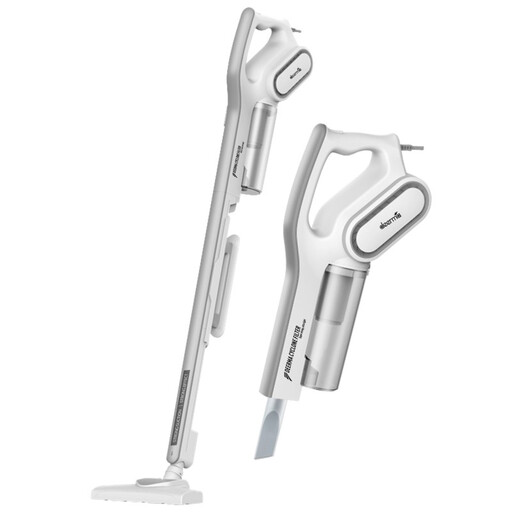
Why it's a good fit: Perfect for a first apartment or as a lightweight secondary device. It offers consistent, corded power without battery anxiety and is easy to handle thanks to its low weight of 2.2 kg.
As a corded model, it completely sidesteps the trap of unrealistic battery runtimes. The power is consistent, and its specs (600W, 15 kPa) are transparent for its price point.
A flexible 3-in-1 design (floor, handheld, and upholstery vacuum) and a HEPA filtration system in a very lightweight and compact build.
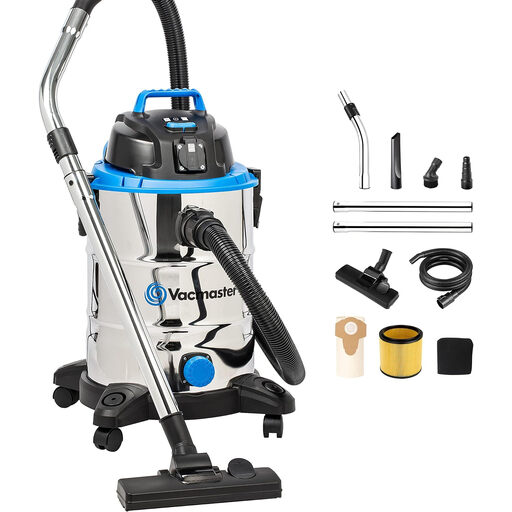
Why it's a good fit: A robust machine for homeowners with a workshop, garage, or renovation projects. It handles coarse dirt, sawdust, and liquids with ease.
This unit doesn't compete on marketing metrics like Pascals, but on functional performance: a large 30L stainless steel tank, a 1500W motor, and practical extra features.
The integrated power take-off socket allows you to connect power tools directly, so dust is extracted instantly. The additional blower function is practical for workshop clean-up.
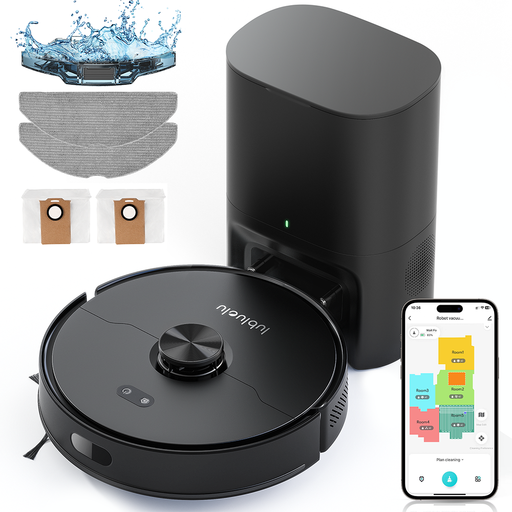
Why it's a good fit: For users seeking an automated, time-saving solution for daily floor cleaning. It's especially well-suited for hard floors and homes with pets.
The focus here is on intelligent LiDAR navigation and app control, which offer demonstrable value. The 4000 Pa suction power is solid, but the main advantage is the efficiency of its automated cleaning.
Precise laser navigation allows it to save up to 5 maps (ideal for multi-story homes) and set up no-go zones. Its quiet 55 dB operation barely disturbs daily life.
We have compiled a complete, up-to-date list of products that fully meet these strict selection criteria and safety standards.
1. How often should you change a vacuum cleaner's HEPA filter? This depends on the frequency of use and the type of dirt. For washable HEPA filters, cleaning every 4-6 weeks is recommended. Non-washable filters should typically be replaced every 6 to 12 months to maintain filtration performance and air hygiene. Always refer to the manufacturer's instructions.
2. Is a bagless vacuum really cheaper? In the short term, you save on the cost of vacuum bags. However, in the long run, the filters must be cleaned and regularly replaced. The cost of a new set of original filters can be significant, depending on the model. A bagged vacuum can be more hygienic for allergy sufferers, as the dust remains trapped in the bag during disposal. The decision depends on personal priorities and the specific filter costs for the model in question.
3. What does suction power in Pascals (Pa) really mean? Pascal (Pa) is a unit of measurement for pressure. For vacuum cleaners, it describes the maximum vacuum pressure the motor can generate. However, this value alone says little about the ability to pick up dirt from the floor. A well-engineered overall system with an efficient floorhead and optimised airflow can achieve better cleaning performance with a lower Pa rating than a poorly designed device with a high Pa rating.