
Lieferung heute & morgen

Qualitätsgarantie

Willkommens-Angebote freischalten: KOSTENLOSE Lieferung | Bis zu 80 % RABATT | Kostenlose 30-Tage-JoyPlus-Testphase
App herunterladen
The search for the right vacuum cleaner can quickly become overwhelming. Manufacturers advertise ever-higher wattage, new technologies, and special features. But not every innovation is a genuine step forward, and some supposed conveniences turn out to be costly traps. As your Joybuy Product Recommendation Officer, I'll help you distinguish the important features from the unimportant ones and make an informed decision.
Before we dive into the crucial criteria, let's look at three widespread misconceptions that often lead to a poor purchase.
To make the right choice, you should focus on a few, but decisive, technical features.
Instead of wattage, the suction power specified in Pascals (Pa), especially for robot vacuums, is a more meaningful value. This describes the negative pressure the device can generate. The choice of device type depends on your living space and habits:
The filter system is crucial for air hygiene. There are two key aspects here:
The included nozzles determine how versatile your device is. An upholstery tool, a crevice tool, and a combination floorhead are part of the standard equipment. For special requirements like removing pet hair, there are specialised brushes. Also, check the compatibility and price of accessories, such as durable K?rcher accessories for wet-dry vacuums, which are designed for use in the workshop and home.
Here are some models tailored to different needs and households.
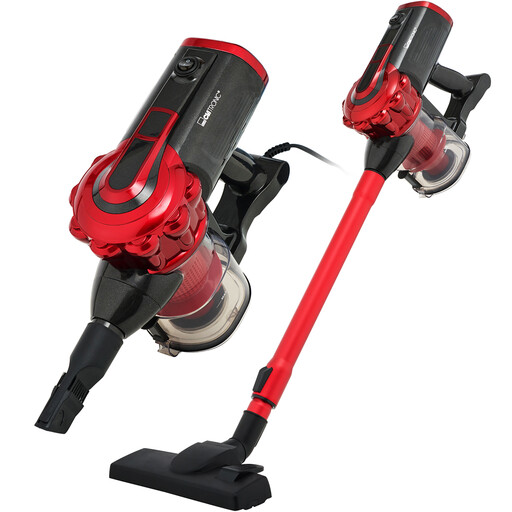
Why it's a great fit: This device combines a floor vacuum and a handheld vacuum in one. It's lightweight, manoeuvrable, and flexible thanks to its long cable – a practical solution for smaller apartments or as a second device.
Thanks to its bagless filter technology, the running costs for buying replacement vacuum bags are eliminated. The integrated HEPA filter is an added bonus in this price range.
The 2-in-1 functionality offers high flexibility for various cleaning tasks from floor to ceiling, without the need to purchase a second device.
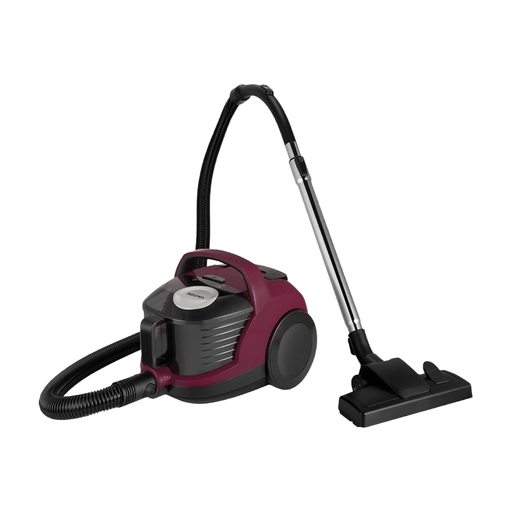
Why it's a great fit: This model is specifically designed for households with high hygiene standards. The focus is on effective filtration, making it a great choice for allergy sufferers or as a vacuum for pet hair.
This device directly addresses the trap of inadequate filtration. It features a washable HEPA-12 filter that reliably removes fine dust and allergens from the exhaust air.
The Eco-Cyclone technology ensures consistently high suction power, even as the 1.8-litre dust container fills up. The washable filter helps keep running costs low.
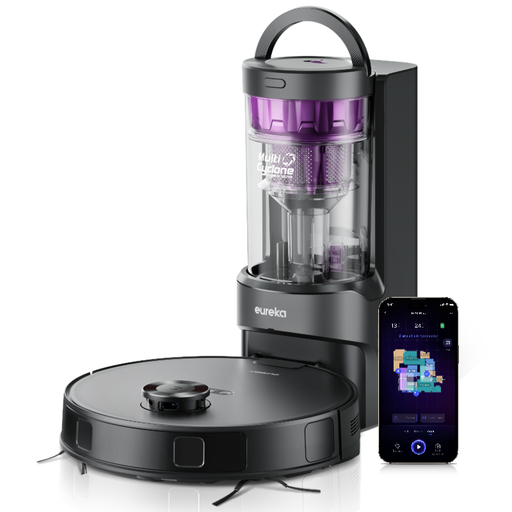
Why it's a great fit: For anyone looking for maximum convenience. This robot vacuum not only cleans autonomously but also empties its dustbin independently at the station. Ideal for busy individuals and tech enthusiasts.
This model proves that suction power isn't measured in watts. With a suction power of 8000 Pa, it demonstrates what modern technology can achieve. The bagless auto-empty station minimises maintenance for up to 45 days.
The DuoDetect AI 3D obstacle avoidance enables efficient navigation even in complex environments. Control via app and voice assistant offers maximum convenience.
If you decide on a bagged model or already own one, choosing the right consumables is crucial for performance and longevity.
We've compiled a complete, up-to-date list of consumables that meet strict selection criteria and quality standards.
1. How often should you change a vacuum cleaner's HEPA filter? The lifespan of a HEPA filter depends on the frequency of use and the amount of dust. For washable filters, cleaning every few months is recommended. Non-washable filters should typically be replaced every 6 to 12 months to maintain filtration performance and airflow. Always follow the manufacturer's instructions.
2. Is a cordless vacuum sufficient as the only vacuum cleaner in a household? For small to medium-sized homes with mostly hard floors, a powerful cordless vacuum can certainly suffice. For large areas, extensive carpeting, or heavy soiling (e.g., from pets), a classic canister vacuum is often the more robust primary solution due to its generally higher and more consistent suction power.
3. What does "Pa" (Pascals) mean for robot vacuums? Pascal (Pa) is the physical unit for pressure and, in the context of vacuum cleaners, describes the negative pressure generated—in other words, the suction force at the nozzle. A higher Pa value indicates a stronger ability to lift dirt and dust from surfaces. This is a much more accurate indicator of cleaning performance than the motor's wattage alone.