
Lieferung heute & morgen

Qualitätsgarantie

Willkommens-Angebote freischalten: KOSTENLOSE Lieferung | Bis zu 80 % RABATT | Kostenlose 30-Tage-JoyPlus-Testphase
App herunterladen
The search for a new vacuum cleaner can quickly become overwhelming. Manufacturers advertise ever-higher performance figures, longer battery runtimes, and innovative technologies. But not every specification is relevant to actual, real-world cleaning performance. As your Joybuy Product Recommendation Officer, I'll help you identify the crucial features and distinguish marketing promises from genuine benefits.
Many buyers invest in a device that looks good on paper but disappoints in practice. You should be aware of three common pitfalls:
To avoid a bad purchase, focus on three core parameters that have a direct impact on your vacuum's cleaning quality and longevity.
A good filtration system not only ensures clean surfaces but also purer indoor air. This is particularly important for households with children, pets, or for vacuums for allergy sufferers.
The floorhead is where the actual cleaning happens. Its design is often more important than raw motor power.
The choice between a corded model and a cordless vacuum depends on your living situation and cleaning habits.
Instead of making a one-size-fits-all recommendation, we have selected models tailored to specific needs and household types.
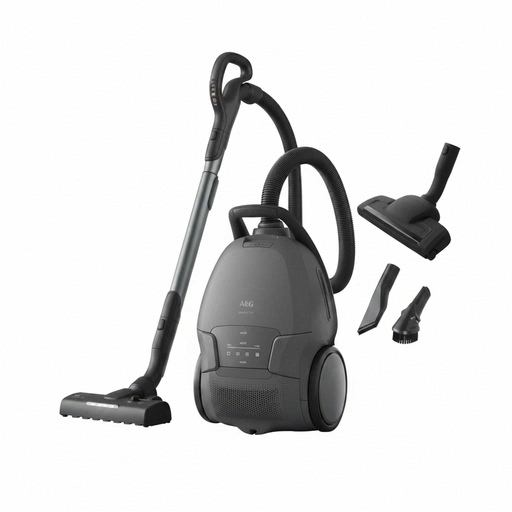
Why it's a good fit: This corded model offers consistent, high suction power and a large 5-litre dust bag capacity, allowing for uninterrupted cleaning of large areas. The specialised PET XL turbo nozzle is designed for efficiently removing pet hair from upholstery and carpets.
Instead of relying on battery life, this model delivers uninterrupted power. Its effectiveness is based on the overall system with specialised nozzles, not just a single performance metric.
HEPA filtration for clean air and automatic suction power adjustment for different floor types. According to the manufacturer, the device was rated 2.1 by Stiftung Warentest (Issue 09/2024).
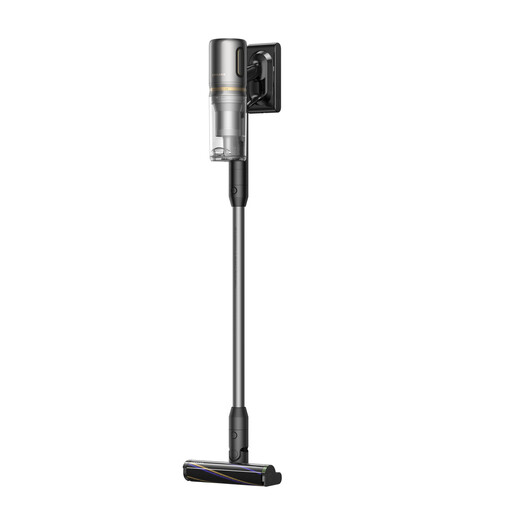
Why it's a good fit: At just 1.5 kg, this stick vacuum is extremely lightweight and easy to handle. It's perfect for quick clean-ups, stairs, and effortlessly reaching high places. The dust-illuminating blue light makes hidden dirt visible.
The runtime of up to 90 minutes is transparently stated for the eco mode. The focus is on the practical benefits of its low weight and easy handling, which tempers unrealistic expectations of continuous turbo power.
Ultra-lightweight design (1.5 kg main unit), CelesTect Dust Illumination to make dirt visible, and a 5-stage HEPA filtration system.
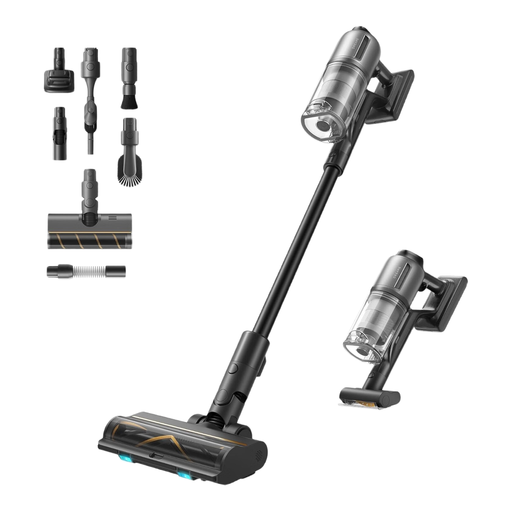
Why it's a good fit: This model combines very high suction power (310 AW) with an advanced HEPA H14 filtration system. It is designed to capture even the finest particles and allergens, making it a great choice for allergy sufferers and households with the highest standards of cleanliness.
The high performance isn't just a number (AW); it's backed by an entire system: a sealed HEPA H14 system, a 150,000 RPM motor, and intelligent dust detection that automatically adjusts power, thus optimising battery life.
Sealed HEPA H14 filtration (captures 99.99% of particles ≥ 0.1 ?m), intelligent dust detection with automatic suction power adjustment, and a long runtime of up to 90 minutes.
We have compiled a complete, up-to-date list of products that fully meet these strict selection criteria.
1. How often should you change a vacuum's HEPA filter? The frequency depends on the model and usage. Many modern HEPA filters are washable and should be cleaned under running water approximately every 1–3 months. It is crucial to let the filter air-dry completely (for at least 24 hours) before reinserting it. Most manufacturers recommend replacing the filter every 12–24 months to ensure optimal filtration performance.
2. Is a bagless vacuum always the better choice? Not necessarily. Bagless vacuums are more eco-friendly and save on the running costs of bags. However, emptying the dustbin can be problematic for allergy sufferers, as dust can be kicked up. Bagged vacuums trap dirt and allergens securely in the bag, which can then be disposed of hygienically. The choice depends on personal preferences and health considerations.
3. What do the suction power ratings in Pascal (Pa) or Airwatt (AW) mean? Both values describe aspects of suction performance. Pascal (Pa) measures the pure negative pressure generated by the motor. A high Pa value is good for pulling dirt out of crevices. Airwatt (AW) is a more comprehensive unit of measurement that takes into account both the negative pressure (Pa) and the airflow (volume per unit of time). Therefore, Airwatts often provide a more realistic picture of the actual cleaning performance at the nozzle. Nevertheless, the overall design of the device is more critical than any single metric.