
Lieferung heute & morgen

Qualitätsgarantie

Willkommens-Angebote freischalten: KOSTENLOSE Lieferung | Bis zu 80 % RABATT | Kostenlose 30-Tage-JoyPlus-Testphase
App herunterladen
Choosing a new vacuum cleaner can quickly become overwhelming. Manufacturers advertise high wattage, impressive Pascal ratings, and innovative designs. But not every new feature is a genuine advantage. Often, these overhyped specifications lead to disappointment and unnecessary expense. Before you make a decision, it's crucial to understand the most common pitfalls that await you when selecting a vacuum cleaner.
A common problem is focusing on a single metric, like suction power in Pascals (Pa), which says little about actual cleaning performance in isolation. Another frustration is unrealistic battery life claims for cordless models, which are often only achievable in the lowest eco mode. Finally, many devices entice buyers with the promise of low running costs, but the reality is often different when expensive special filters or hard-to-clean dustbins complicate daily use.
To avoid a bad purchase, you should focus on the fundamental parameters that determine a device's performance and longevity. Instead of being swayed by marketing buzzwords, the following criteria will help you make an informed decision.
The heart of any modern vacuum cleaner is its filtration system. It determines not only how well dirt is picked up, but also how clean the exhaust air is when released back into the room.
The choice between a classic canister vacuum, a flexible cordless vacuum cleaner, or a compact handheld vacuum cleaner depends heavily on your living situation and cleaning habits.
The purchase price is only part of the equation. Bagless models save you from buying replacement bags, but their filters also need to be cleaned or replaced. Before buying, check the availability and prices of spare parts like the Adler AD Series Vacuum Cleaner Filter Set or the Swirl Miele M52 Vacuum Cleaner Bags. A washable filter can save money, but it must dry completely after cleaning (often for 24 hours) before it can be reinserted to prevent motor damage.
Instead of making a one-size-fits-all recommendation, we have selected products tailored to specific needs and household types.
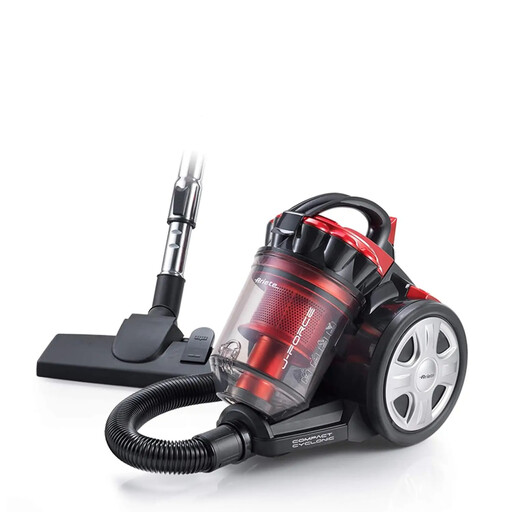
Why It's a Match: This device combines solid cleaning performance with the advantage of bagless operation. The washable HEPA filter and multi-cyclonic technology make it an economical choice for daily use, as there are no follow-up costs for bags.
Instead of advertising unrealistic specs, this model focuses on proven efficiency (Triple Class A). Its bagless technology avoids the cost trap of expensive replacement bags.
Washable HEPA filter to reduce allergens and running costs. Large 3-litre dust container for less frequent emptying.
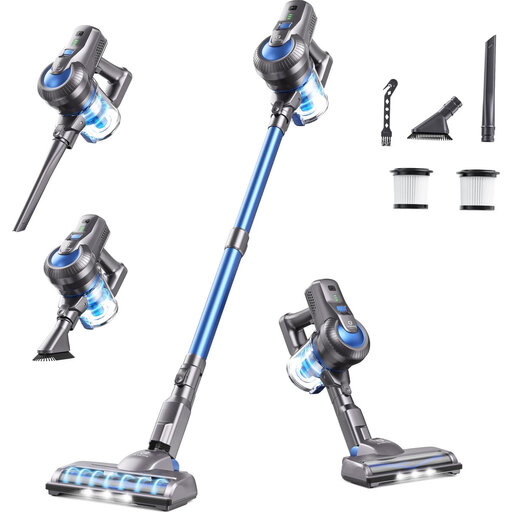
Why It's a Match: Weighing just 1.5 kg and featuring a cordless design, this vacuum is ideal for apartments, stairs, and quick clean-ups. Its self-standing design makes storage easy without needing a wall mount.
The battery life of up to 35 minutes is specified for the standard mode, which is sufficient for hard floors. This is a realistic figure for everyday use and avoids the disappointment of exaggerated runtime promises.
Extremely lightweight and flexible. The 5-layer, washable HEPA filtration system ensures clean exhaust air, which is especially important in smaller living spaces.
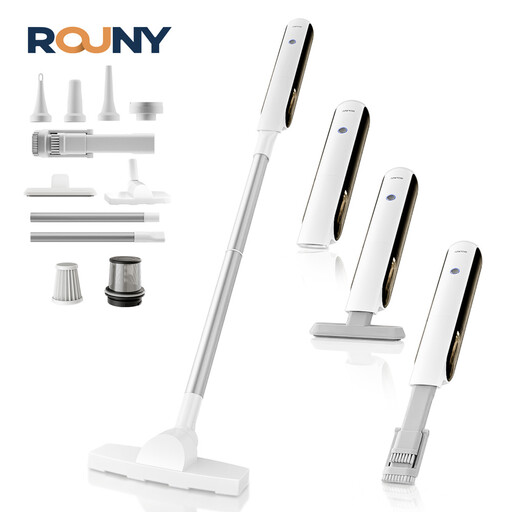
Why It's a Match: This device is a specialist for hard-to-reach areas. With 7 nozzles, an integrated blower function, and an LED light, it's ideal for thoroughly cleaning car interiors, keyboards, sofa crevices, and workshops.
It doesn't promise to clean an entire home; instead, as a compact handheld vacuum, it delivers high performance for niche applications. The blower function is a genuine added value that larger vacuums don't offer.
Combined vacuum and blower function. The LED light helps to make dirt visible in dark corners, such as under car seats.
We have compiled a complete, up-to-date list of products that fully meet these strict selection criteria and safety regulations.
1. How often should you clean or replace a vacuum cleaner's HEPA filter? The frequency depends on usage and the specific model. For washable filters, cleaning every 1-3 months is recommended. Ensure the filter is completely air-dried (for at least 24 hours) before reinserting it. Non-washable HEPA filters should typically be replaced every 6 to 12 months to maintain filtration performance and airflow.
2. What does suction power in Pascals (Pa) mean for a vacuum cleaner? Pascals (Pa) are a unit of measurement for the negative pressure (or suction) a vacuum can create. A high Pa value indicates potentially strong suction, but it's not the only factor. The overall design of the unit, the nozzle, and the airflow (measured in litres per second) are just as crucial for its actual ability to pick up dirt from various surfaces.
3. Are bagless vacuum cleaners more hygienic? That depends on how they are handled. A vacuum with a high-quality bag, like the Swirl H41 EcoPor, securely seals in dust and allergens with a closure mechanism, making disposal very hygienic. With a bagless model, you potentially come into direct contact with dust when emptying the container. However, models with washable filters and easy-to-clean bins can also offer a high level of hygiene with proper care.