
Lieferung heute & morgen

Qualitätsgarantie

Willkommens-Angebote freischalten: KOSTENLOSE Lieferung | Bis zu 80 % RABATT | Kostenlose 30-Tage-JoyPlus-Testphase
App herunterladen
For people with allergies, a clean home is more than just a matter of aesthetics—it's essential for their well-being. Dust mites, pet hair, pollen, and other allergens can significantly impact quality of life. A high-performance vacuum cleaner for allergy sufferers is therefore a crucial tool. However, the market is flooded with devices making lofty claims. This guide will help you distinguish marketing hype from genuine performance features and make an informed decision.
Written by: Joybuy Product Recommendation OfficerDate: July 28, 2026
Before we dive into the key features, it's helpful to know the most common mistakes that lead to an unsatisfactory purchase.
Manufacturers often advertise high watt or pascal (Pa) ratings to suggest superior cleaning performance. However, high suction power alone is no guarantee of allergen removal. If the device lacks an adequate filtration system or the housing is not properly sealed, fine particles like mite droppings or pollen are simply blown back into the room's air. Raw suction power is only one part of the equation.
Many standard vacuums use basic filters that don't effectively trap fine dust. Terms like "HEPA-like" can be misleading. A true HEPA filter vacuum cleaner must meet specific standards. Even more importantly, the entire system must be sealed. A high-quality filter is useless if dusty air escapes through seals and housing joints before it even reaches the filter.
Allergens don't just sit loosely on the floor. They cling stubbornly in mattresses, upholstered furniture, and carpets. A conventional floor vacuum can only provide a surface-level clean here. To effectively combat dust mites, specialised devices like a mite vacuum cleaner or mattress cleaner are required, offering additional functions that go beyond simple suction.
To avoid the pitfalls mentioned above, you should focus on the following three core parameters.
The heart of any vacuum for allergy sufferers is its filtration system.
Especially in textiles like mattresses and sofas, suction power alone is not enough to remove mites and their waste. This is where specialised mechanisms come in:
Consider where your main problem areas are.
Here are some models tailored to different needs that meet the criteria discussed.
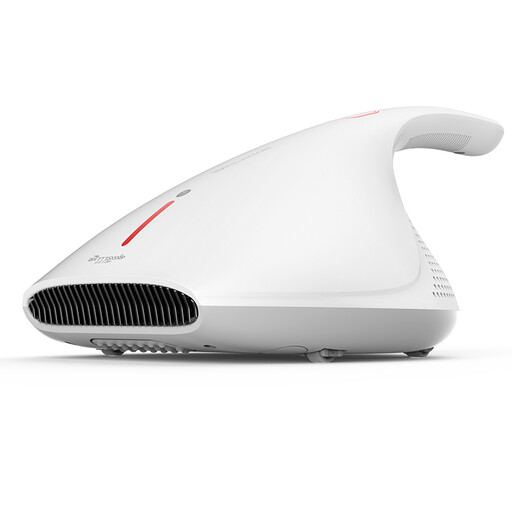
Why This Fits Their Persona: Ideal for individuals seeking a targeted solution for mattresses, sofas, and other upholstered furniture to directly combat the primary source of dust mites.
This device avoids the trap of lacking specialised features. It doesn't just rely on suction power but combines it with a high-frequency beating function, hot air, and a UV-C lamp for multi-stage cleaning.
Combines four cleaning mechanisms (beating, hot air, UV-C, suction) in a compact handheld device. The dual-layer HEPA filtration system reliably captures fine particles.
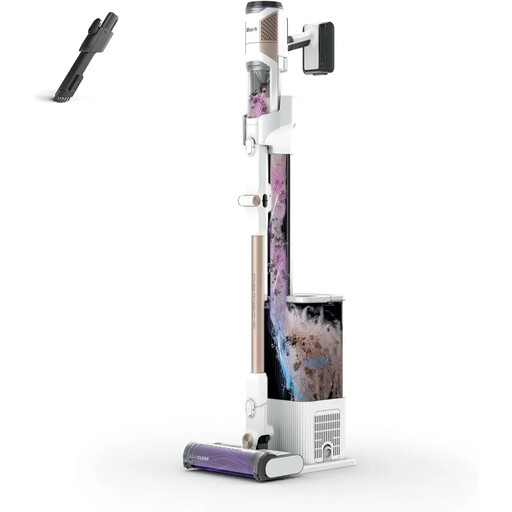
Why This Fits Their Persona: Perfect for households with pets where hair and dander on floors and carpets are a constant challenge, and where high, cordless flexibility is desired.
This model addresses the pitfall of inadequate filtration with a completely sealed Anti-Allergen system featuring a HEPA filter. Additionally, its Anti-Hair Wrap technology prevents performance loss from tangled hair.
The self-empty base automatically empties the dustbin, minimising contact with allergens. The DirtDetect technology automatically adjusts suction power based on the level of dirt.
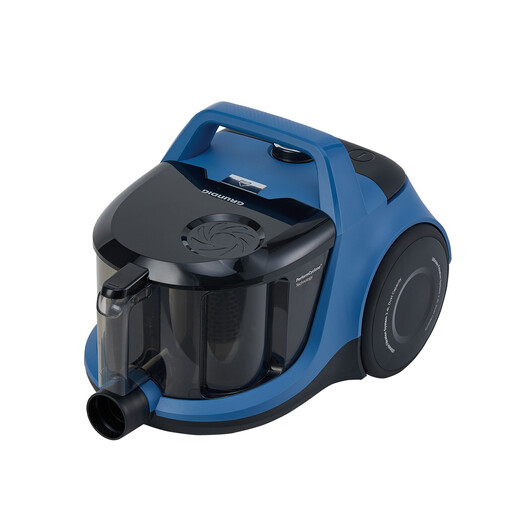
Why This Fits Their Persona: A solid choice for budget-conscious users who need a reliable, corded floor vacuum with good filtration performance for general household cleaning.
This model avoids the trap of inadequate filtration by offering a certified HEPA H13 filter. It focuses on the core function—effective suction and filtration—without costly extra features.
Equipped with a HEPA H13 filter for a high capture rate of allergens. The large 3.4-litre dustbin capacity reduces the frequency of emptying.
We have compiled a complete, up-to-date list of products that fully meet these strict selection criteria and safety standards.
For allergy sufferers, it is recommended to thoroughly clean mattresses every one to two weeks with a specialised mite vacuum cleaner. During pollen season or in cases of acute symptoms, more frequent use may be beneficial. Bedding should be washed weekly at a minimum of 60°C (140°F) to kill mites.
A HEPA filter is a certified standard that guarantees the capture of a specific amount of fine dust particles. Many HEPA filters are not washable and must be replaced regularly to maintain their effectiveness. While washable filters can save costs, they often lose filtration performance after several washes. It is crucial to follow the manufacturer's instructions carefully and ensure the filter is completely dry before reinserting it.
Modern, high-quality cordless vacuum cleaners can certainly compete with corded models in terms of suction power and filtration, especially if they feature a sealed system and a HEPA filter. Their main advantage is flexibility. However, for very large areas or extremely stubborn dirt in thick carpets, a corded device with a constant power supply may still offer higher sustained performance. The choice depends on your home's size and specific cleaning needs.