
Lieferung heute & morgen

Qualitätsgarantie

Willkommens-Angebote freischalten: KOSTENLOSE Lieferung | Bis zu 80 % RABATT | Kostenlose 30-Tage-JoyPlus-Testphase
App herunterladen
A good insulated bottle is more than just a container. It's a daily companion that keeps your morning coffee hot on the way to work or your water refreshingly cool on a summer day. However, the market is saturated with models whose marketing promises often suggest more than the products can deliver in daily use. The result is leaky lids, lukewarm drinks, and a metallic aftertaste.
As your Joybuy Product Recommendation Officer, I'm here to help you avoid these pitfalls. We'll focus on the crucial features that define a reliable thermos flask, so you can make an informed decision.
Before we get to the solutions, it's important to understand the typical problems that can lead to a bad purchase.
To avoid the problems mentioned above, you should check three key aspects before buying. These form the foundation for a durable and functional stainless steel water bottle.
Insulation capability depends directly on the construction. Look for double-wall vacuum insulation. Between the inner and outer stainless steel walls is a vacuum that minimises heat transfer (both from the inside out and vice versa).
The material of choice is food-grade stainless steel, often declared as Type 18/8 or 304. This stainless steel bottle is robust, rust-proof, and taste-neutral. It's also crucial that all plastic parts that come into contact with the beverage are certified as a BPA-free water bottle.
A reliable lid is essential. Simple screw-top lids with a high-quality silicone seal are often the most robust solution. Models with a quick-press function or an integrated straw offer more convenience but can also have more potential points of failure. Check the manufacturer's specifications carefully, especially whether the bottle is declared as a leak-proof water bottle even with carbonated drinks. Additionally, a well-designed lid can be easily disassembled for cleaning to prevent mould growth.
The size should match your intended use. A 0.5L thermos flask is ideal for the daily commute or short trips. For long days, sports, or family picnics, larger models of 1 litre or more, or a classic insulated jug, are better suited. The shape also plays a role: a slim design fits better in backpack side pockets or car cup holders. An insulated mug with a handle, on the other hand, is practical for the office.
Based on the criteria above, we have identified a few models that are particularly well-suited for different user profiles.
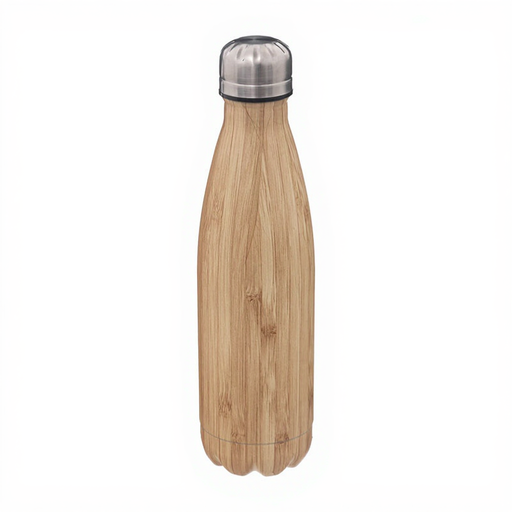
Why This Fits Their Persona: With a 0.5-litre capacity and a slim design, this bottle is ideal for the daily commute to work or university. It focuses on core functions without unnecessary extras.
It avoids the pitfall of taste impairment by using food-grade stainless steel. The simple screw-top lid is less prone to defects than complex mechanisms.
Solid basic construction with a hermetic seal. Being dishwasher-safe significantly simplifies daily cleaning.
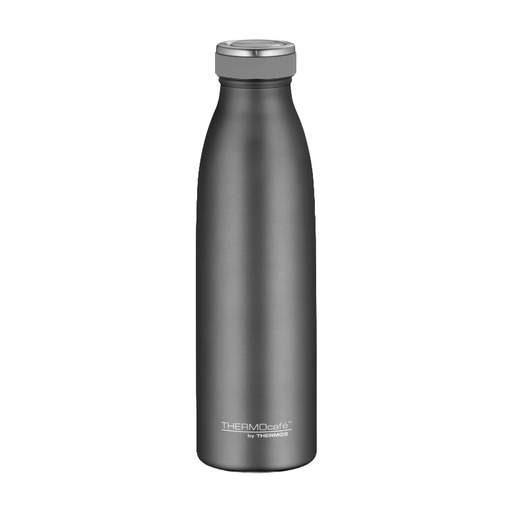
Why This Fits Their Persona: For users who value design, proven performance, and versatility. Ideal for the office, sports, and leisure, where reliability and style are equally important.
Directly addresses the leaky lid pitfall: According to the manufacturer, it is 100% leak-proof, even with carbonated drinks. The double-wall stainless steel construction backs up its insulation promises.
High insulation performance (up to 12h hot / 24h cold according to the manufacturer) and a rubberised screw cap for easy opening. The material is odour- and taste-neutral.
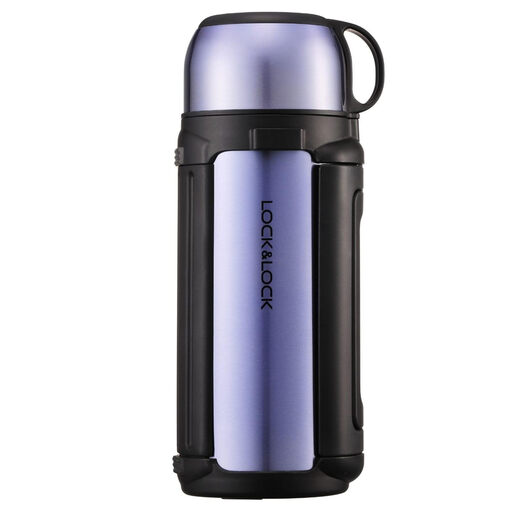
Why This Fits Their Persona: With a 1.5-litre volume, this insulated jug is perfect for day trips, picnics, or supplying the whole family with hot tea or cold lemonade. The carrying strap and folding handle make it easy to transport.
This model is more than just a bottle; it's a well-thought-out system. It avoids the pitfall of a standard bottle being insufficient for longer outings. The robust screw-top lid is designed for reliability.
Large capacity, an integrated cup in the lid, and flexible transport options (handle and strap). The wide mouth makes filling and cleaning easier.
We've compiled a complete, up-to-date list of products that fully meet these strict selection criteria and safety regulations.
1. How do you properly clean a stainless steel insulated bottle? For daily cleaning, warm water and a mild washing-up liquid are sufficient. Use a bottle brush to reach the bottom and inner walls. It's important to clean the lid and seals thoroughly. Let the bottle and all its parts air-dry completely before closing it again to prevent odours from developing. Check the manufacturer's instructions to see if your bottle is dishwasher-safe.
2. Can you put carbonated drinks in any insulated bottle? Not every insulated bottle is suitable for carbonated drinks. The pressure build-up can lead to leaks or even a sudden spray of contents when opening. Explicitly look for models where the manufacturer confirms their suitability for carbonated beverages. A robust screw-top lid is generally safer here than a quick-press lid.
3. What does "BPA-free" mean and why is it important for a water bottle? BPA (Bisphenol A) is a chemical compound used in some plastics. It is suspected of being harmful to health as it can leach into food and drinks. A BPA-free water bottle guarantees that the plastic components (like the lid or seals) were made without this chemical. This is an important standard for products that come into contact with food.