
Lieferung heute & morgen

Qualitätsgarantie

Willkommens-Angebote freischalten: KOSTENLOSE Lieferung | Bis zu 80 % RABATT | Kostenlose 30-Tage-JoyPlus-Testphase
App herunterladen
As a Joybuy Product Recommendation Officer, I analyze product information daily to provide you with clear, practical guidance in a sea of options. A vacuum mop promises to combine two tedious chores—vacuuming and mopping—into a single step, saving you precious time. However, not every device lives up to its advertising promises. Many users quickly find that their new gadget creates more problems than it solves. Before you make a decision, you should know the most common pitfalls.
The 3 Most Common Disappointments with Vacuum Mops:
To avoid these problems, you should pay less attention to marketing buzzwords and more to concrete technical specifications. Three aspects are particularly crucial.
The first decision concerns the basic operating principle. Both types of devices have specific pros and cons.
The station is the heart of convenience. There are significant differences here that determine the daily effort involved.
The actual cleaning performance depends on the brushes. For households with pets, a vacuum mop for pet hair with anti-tangle technology is essential. Special V-shaped bristles or combs prevent long hairs from wrapping around the roller and blocking performance.
For a seamless clean, you should look for models that feature advanced edge cleaning. Some robot vacuums can extend their mops sideways to reach right up to the baseboard, while certain hard floor cleaners are equipped with an edge-to-edge brush design.
Based on these objective criteria, we have identified a few models that offer a well-thought-out solution for specific user profiles.
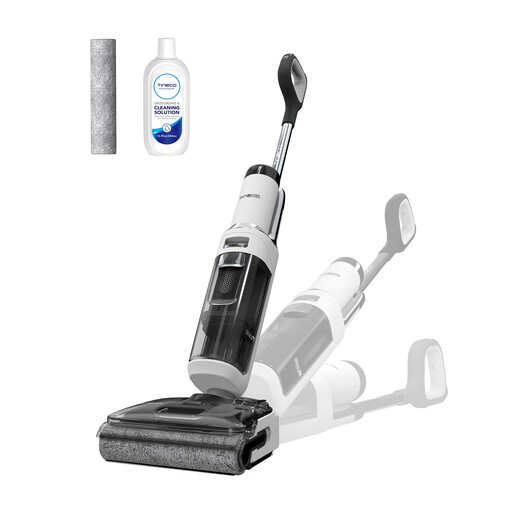
Why This Fits Their Persona: Ideal for homes with lots of low-profile furniture. If you're tired of bending over or moving furniture, this is a solution that significantly extends the cleaning radius and minimises manual touch-ups.
The 180° lay-flat design directly addresses the problem of inaccessible areas. The device can be laid completely flat on the floor, allowing it to reach under sofas and cabinets that are impossible for standard vacuum mops to clean.
The combination of a lay-flat design, 3-sided edge cleaning, and a self-cleaning cycle with hot air drying (FlashDry) offers a comprehensive package for seamless and hygienic cleaning.
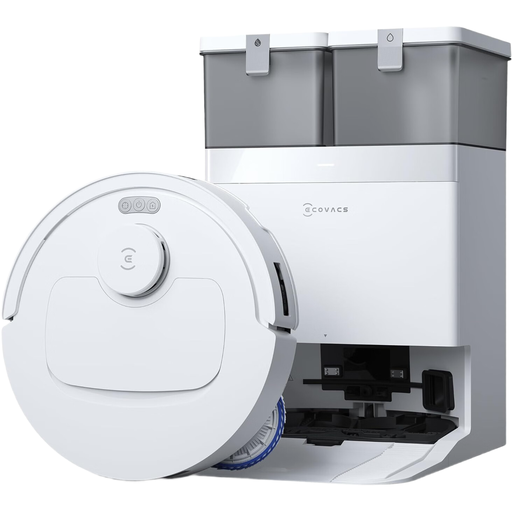
Why This Fits Their Persona: For households that deal with daily hair, crumbs, and dirt. This fully automated system minimises daily cleaning effort and keeps floors consistently clean, without you having to worry about tangled brushes or manual maintenance.
The ZeroTangle 3.0 Anti-Tangle Technology actively prevents hair from tangling in the brush. The all-in-one station solves the "self-cleaning" trap by automatically washing the mops with 75°C hot water, followed by hot air drying.
The combination of powerful suction (20,000 Pa according to the manufacturer), effective edge cleaning (TruEdge 2.0), and a fully automated station makes this model a low-maintenance solution for demanding households.
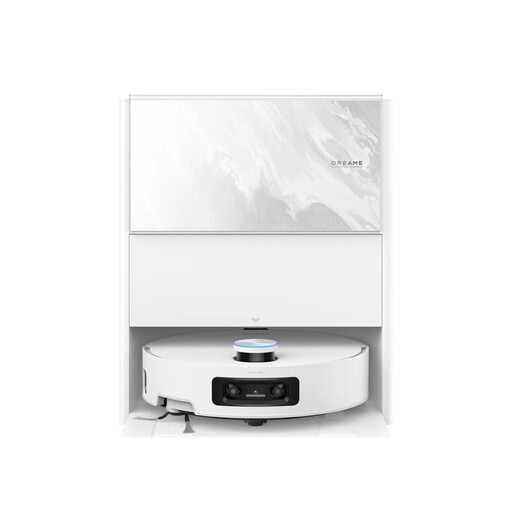
Why This Fits Their Persona: For users who value technological innovation and maximum cleaning performance. This model integrates multiple advanced technologies to achieve the highest level of cleanliness and automation.
The ThermoHub station cleans the mop with 100°C hot water, ensuring a hygienic clean and effectively combating odor buildup. The OmniSight navigation, featuring AI cameras and 3D sensors, provides precise route planning and avoids the pitfall of unclean edges.
The combination of hot water mop washing, high suction power of 25,000 Pa (according to the manufacturer), and a retractable LDS laser turret for cleaning under low furniture sets a high standard in automated floor care.
We've compiled a complete, up-to-date list of products that fully meet these strict selection criteria and all relevant safety regulations.
For handheld cordless vacuum mops, this depends on the tank size and the area being cleaned; typically, the dirty water tank needs to be emptied after each full cleaning of a medium-sized apartment. With robot vacuums featuring an all-in-one station, this step is eliminated, as the station automatically pumps the dirty water into a larger container that only needs to be emptied every few weeks.
Most vacuum mops are designed as hard floor cleaners for sealed floors like tile, laminate, vinyl, and sealed hardwood. They are generally not suitable for carpets. However, modern robot vacuums automatically detect carpets, lift their mops, and increase suction power, allowing them to clean both hard floors and carpets in a single pass (vacuum-only function on carpet).
A classic wet-dry vacuum (often called a shop vac) is primarily designed to suck up large amounts of liquid and coarse debris. A vacuum with a mopping function, or vacuum mop, is a household appliance developed for everyday floor care. It combines vacuuming dry dust and wet mopping of stuck-on dirt in one step, typically using rotating brushes or mops and a two-tank system for fresh and dirty water.