
Lieferung heute & morgen

Qualitätsgarantie

Willkommens-Angebote freischalten: KOSTENLOSE Lieferung | Bis zu 80 % RABATT | Kostenlose 30-Tage-JoyPlus-Testphase
App herunterladen
Choosing the right cleaning tool for hard floors can be overwhelming. The market is flooded with devices promising to revolutionise mopping and vacuuming in one go. But not every innovation delivers on its promise. Many buyers quickly find their new gadget creates more work than it saves or leads to expensive running costs.
As your Joybuy Product Recommendation Officer, I'm here to help you identify the typical pitfalls. Instead of falling for marketing hype, we'll focus on the crucial features that define a great cleaning system. This will help you find a solution that truly fits your home and your floors.
Before we look at the solutions, it's important to understand the problems. Two mistakes in particular often lead to disappointment and unnecessary expense:
To avoid these traps, you should focus your attention on three core aspects. These determine whether a device is a genuine help in your daily routine.
The first decision is between a manual mop and bucket set and an electric cordless vacuum mop.
A hard floor cleaner is only as good as its ability to reach everywhere. Check for the following design features:
A durable product is characterised by easy maintenance and the availability of spare parts.
Here are some product recommendations tailored to different needs and households, which take the aforementioned criteria into account.
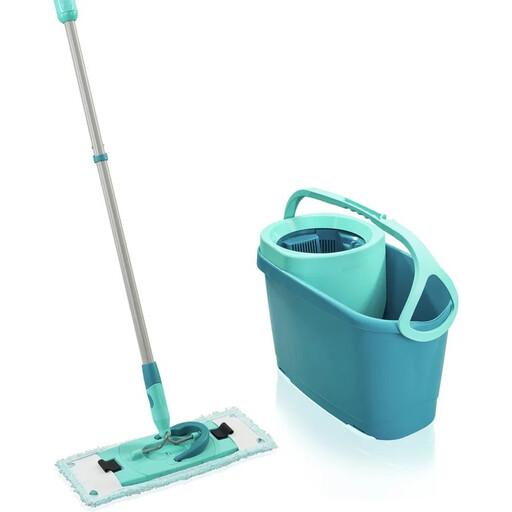
Why it's a match: Ideal for those who want to maintain full control over the cleaning process. Perfect for delicate wooden floors, as the moisture can be precisely controlled via the spin mechanism.
The 360° joint allows it to lay flat, bypassing the "limited reach" trap. Running costs are minimal thanks to the use of washable pads.
The patented in-handle spin technology allows for wringing without bending over and without putting your hands in dirty water. The spin-stop function enables individual moisture control.
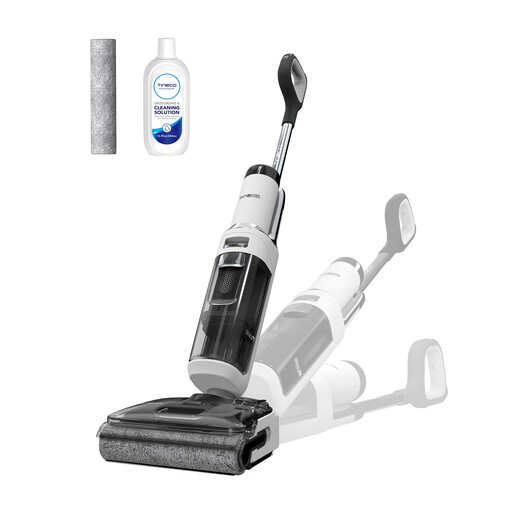
Why it's a match: For households seeking maximum efficiency and thoroughness. The combination of vacuuming, mopping, and the ability to lay completely flat solves the problem of cleaning under furniture.
The 180° lay-flat design, with a clearance height of just 13 cm, decisively solves the "limited reach" trap. The 5-minute FlashDry self-cleaning cycle with 70°C hot water minimises maintenance.
The 3-sided edge cleaning ensures clean results right up to walls and furniture. The long battery runtime of up to 40 minutes allows for cleaning large areas without interruption.
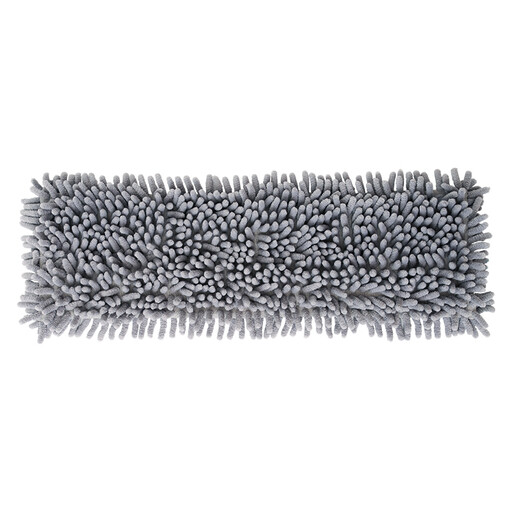
Why it's a match: A smart addition for owners of flat mops. Instead of relying on expensive brand-name pads, universal replacement heads ensure low long-term operating costs.
This is the direct answer to the "hidden costs" trap. The pad is machine-washable, reusable, and fits many standard flat mops, reducing dependency on a single manufacturer.
The dense chenille microfiber material (110g) offers high absorbency for wet cleaning and effective dust pickup for dry cleaning. The neutral grey colour hides dirt during use.
We have compiled a complete, up-to-date list of products that fully meet these strict selection criteria and all relevant safety regulations.
Yes, many modern vacuum mops for parquet and laminate are designed for this purpose. The key is good moisture control. Look for models where the water flow is adjustable or that explicitly offer a mode for delicate floors. With manual systems like the Leifheit Clean Twist, the spin function gives you full control over the residual moisture in the pad.
The lifespan depends heavily on the frequency of use and the quality of the device. Regular cleaning after each use is crucial. Many manufacturers recommend replacing the brush roller every 3-6 months and the HEPA filter every 4-6 months to ensure optimal suction power and hygiene. Models with effective self-cleaning and drying functions can extend the life of the roller.
No, a vacuum mop or wet-dry vacuum is designed exclusively for cleaning hard floors. The rotating, wet brush is unsuitable for carpet fibres and would soak and potentially damage them. For carpets, you need a classic dry vacuum cleaner.