
Lieferung heute & morgen

Qualitätsgarantie

Willkommens-Angebote freischalten: KOSTENLOSE Lieferung | Bis zu 80 % RABATT | Kostenlose 30-Tage-JoyPlus-Testphase
App herunterladen
The idea of vacuuming and mopping in a single step is tempting. A vacuum mop promises just that: significant time savings and sparkling floors with minimal effort. However, the market is flooded with devices whose real-world performance often falls short of their marketing promises. Before you make a purchase, it's crucial to understand the common pitfalls that can lead to frustration and unsatisfactory cleaning results.
As your Joybuy Product Recommendation Officer, I'm here to help you separate the good from the bad. In this guide, we'll highlight the critical features that define a quality device and show you the three common shortcomings you should absolutely avoid.
Many devices look convincing at first glance but only reveal their weaknesses during daily use. Pay close attention to these three points to avoid a bad buy:
To make the right choice, you should be guided by objective technical features, not marketing slogans. Here are the two most important aspects to check.
Not every device is suitable for every type of floor or dirt. The technology determines its effectiveness.
The way a device handles fresh and dirty water is critical for a hygienic result.
Based on these objective criteria, we have identified a few models that represent a smart choice for different user profiles and their specific requirements.
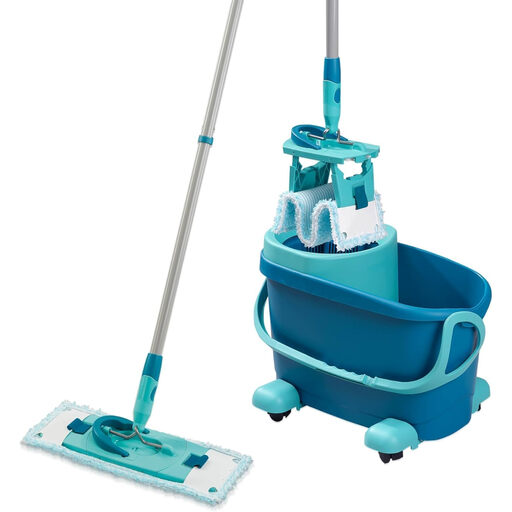
Why this product is a great fit: For anyone seeking a reliable and affordable solution without electronics. This Mop Set offers full control over moisture and the cleaning process, making it ideal for delicate floors like parquet or laminate.
This manual system has no battery issues or complex electronics that can fail. The spin mechanism in the bucket allows for precise moisture control, preventing oversaturation of the floor.
The patented spin technology and flat mop head enable efficient cleaning, even in corners and under furniture. The telescopic handle is ergonomically adjustable.
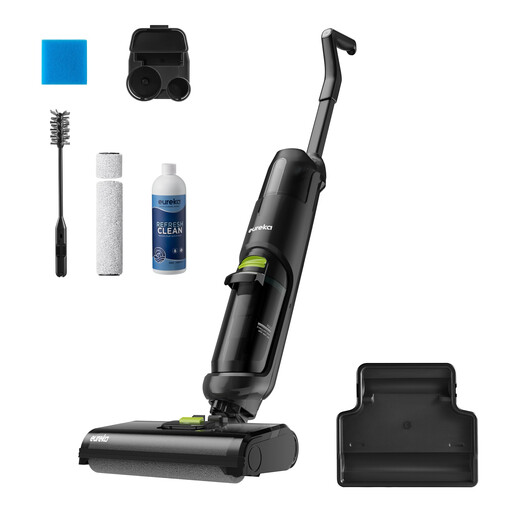
Why this product is a great fit: For households that need a fast and straightforward solution for daily wet and dry messes. Ideal for families and pet owners who prefer a cordless, all-in-one solution.
The device features a dual-tank system that separates clean and dirty water, thus avoiding the hygiene pitfall. The self-cleaning function automatically flushes the brush roller and internal tubes, reducing maintenance.
The self-propulsion feature makes it significantly easier to manoeuvre. The flexible brush head also allows for cleaning in hard-to-reach areas.
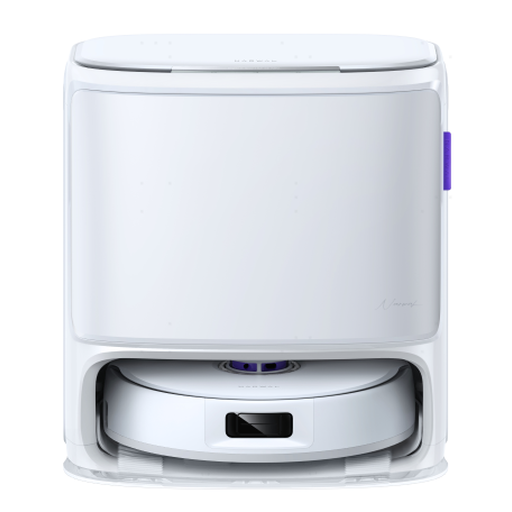
Why this product is a great fit: For users seeking a fully automated cleaning solution for large living spaces. This robot vacuum and mop handles vacuuming, mopping, and the complete maintenance of its mop pads autonomously.
The base station washes the mops with hot water and then dries them, effectively solving the unhygienic self-cleaning pitfall. The anti-tangle system prevents hair from getting tangled in the brushes, a common problem for pet owners.
Complete autonomy: The station empties the dustbin, washes and dries the mops, and refills the fresh water tank. The dynamic mop extension feature cleans corners and edges with exceptional thoroughness.
We've compiled a complete, up-to-date list of products that fully meet these strict selection criteria and UK safety regulations.
1. Can I use any cleaning solution in my vacuum mop? No, it's important to only use cleaning solutions recommended by the manufacturer or those explicitly designated for vacuum mops. Aggressive or high-foaming cleaners can damage the device's internal tubes, sensors, and pumps, and may void the warranty. Many manufacturers offer special, low-foaming concentrates.
2. Is a vacuum mop suitable for parquet and laminate floors? Yes, most modern vacuum mops are suitable for sealed hard floors, including sealed parquet and laminate. The key is control over the water output. Models with a function to regulate the water volume or a special mode for delicate floors are preferable here. For unsealed or oiled wood, it is not recommended to use a vacuum mop, as penetrating moisture can cause the wood to swell.
3. How often do I need to change the filter in a vacuum mop? The frequency of filter changes depends on the model, frequency of use, and the level of dirt. As a general rule, it is recommended to replace the HEPA filter every 3 to 6 months. Many filters are washable, which extends their lifespan. However, it is crucial to let the filter dry completely (at least 24 hours) after cleaning before reinserting it to prevent mould growth and a reduction in suction power.