
Lieferung heute & morgen

Qualitätsgarantie

Willkommens-Angebote freischalten: KOSTENLOSE Lieferung | Bis zu 80 % RABATT | Kostenlose 30-Tage-JoyPlus-Testphase
App herunterladen
The idea is tempting: a single device that vacuums and mops, saving you valuable time on household chores. But the vacuum mop market is saturated with marketing promises that often fail to deliver in practice. As a Joybuy Product Recommendation Officer, I see the daily pitfalls that lead to disappointment and unnecessary expenses. Before you make a decision, you should know the three most common flaws that can quickly render a promising device useless.
To avoid a bad purchase, don't let yourself be guided by pure marketing figures. Instead, focus on three core technical features that determine actual cleaning performance and user convenience.
The way a device mops is crucial for the cleaning result. Simple systems merely drag a damp cloth behind them, which has little effect on dried-on stains. More advanced models offer significantly more:
The efficiency of a robot vacuum is directly linked to its navigation technology. Cheaper models often navigate randomly (gyroscope navigation), which leads to missed spots and longer cleaning times. Higher-quality systems use more precise methods:
For a cordless vacuum, the battery life is the decisive factor for autonomy. Look for a runtime that matches the size of your living space and check if the battery is replaceable to extend the device's lifespan.
An auto-empty station can significantly increase convenience, but the details matter. A self-cleaning robot vacuum should do more than just empty the dustbin. Look for the following features:
Instead of making a one-size-fits-all recommendation, we have identified models that are particularly well-suited for specific lifestyles and living situations, and which successfully avoid the pitfalls mentioned earlier.
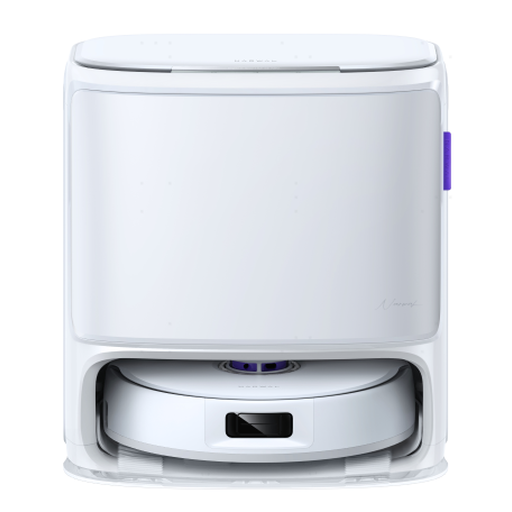
Why This Fits Their Persona: Ideal for households with pets due to its high suction power of 15,000 Pa and a system specifically designed to prevent hair from tangling in the brushes. The fully automatic station handles all mop maintenance.
The "DualFlow Tangle-Free System" counters the maintenance nightmare of tangled brushes. The station cleans and dries the mops with hot water, turning the "self-cleaning" fallacy into a reality.
The combination of 15,000 Pa suction power and a tangle-free brush system is engineered to pick up pet hair. The station stores dust for up to 120 days.
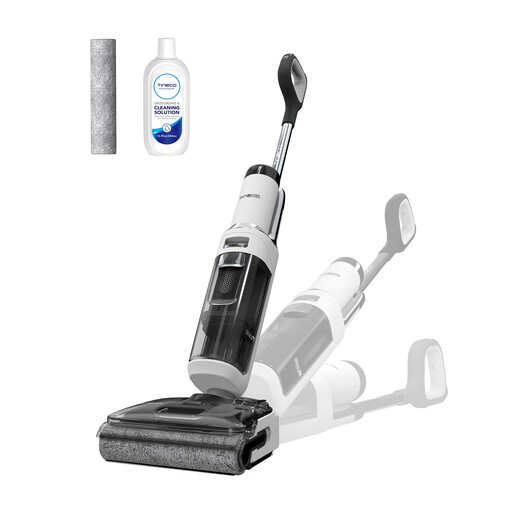
Why This Fits Their Persona: This wet and dry vacuum is designed for homes with lots of furniture. Its ability to lay completely flat at 180° allows it to clean under sofas, beds, and cabinets without you having to bend down.
It solves the problem of poor cleaning in hard-to-reach places by physically getting where robot vacuums and rigid cordless vacuums give up. The 3-sided edge cleaning design minimises dirt left along baseboards.
The 180° lay-flat design, with a height of only 13 cm, is its unique selling point. The FlashDry self-cleaning with 70°C hot water ensures hygienic maintenance of the brush roller.
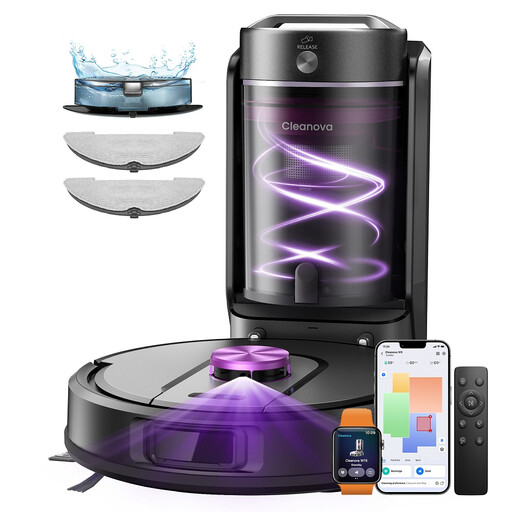
Why This Fits Their Persona: With a battery life of 180 minutes and cleaning coverage of up to 200 m?, this model is designed for large houses and apartments. The large, bagless auto-empty station maximises autonomy.
The 4-litre bagless station bypasses the recurring costs and hassle of buying replacement dust bags. The long runtime prevents the robot from constantly interrupting its cleaning cycle to recharge in large homes.
The combination of a 180-minute runtime, precise LiDAR navigation, and a bagless auto-empty station offers a high degree of autonomy and efficiency for large areas.
We have compiled a complete, up-to-date list of products that fully meet these strict selection criteria and UK/EU safety regulations.
1. Can a vacuum mop clean both carpets and hard floors? Yes, many modern devices are designed for this. Look for models with automatic carpet detection and a liftable mopping function. These devices stop the water supply and raise the mopping module as soon as they drive onto a carpet, often simultaneously increasing suction power for a deep clean of the carpet fibres.
2. How often does the auto-empty station of a vacuum mop need to be emptied? This depends heavily on the model, the size of the dust container in the station, and the amount of dirt in your household. Stations with dust bags typically hold dirt for 30 to 60 days. Large, bagless stations can go up to 90 days without needing to be emptied. In households with pets or multiple people, this interval may be shorter.
3. What impact does the navigation method (LiDAR vs. camera) have on cleaning performance? The navigation method is crucial for efficiency. LiDAR (Laser Navigation) creates a very precise, permanent map of your rooms. This allows for systematic and complete cleaning that works reliably even in the dark. Camera-based systems (vSLAM) are often slightly less accurate and require good lighting conditions. They are good for obstacle detection but are generally inferior to LiDAR technology for pure mapping and systematic coverage of areas.