
Lieferung heute & morgen

Qualitätsgarantie

Willkommens-Angebote freischalten: KOSTENLOSE Lieferung | Bis zu 80 % RABATT | Kostenlose 30-Tage-JoyPlus-Testphase
App herunterladen
The idea is tempting: vacuuming and mopping in a single step to save precious time on household chores. A vacuum mop promises just that. But the market is flooded with devices whose marketing promises often shine brighter than the floors they clean. Many users discover after purchase that their new device leaves dirty edges along baseboards, the self-cleaning function develops unpleasant odours, or the suction power quickly diminishes when dealing with pet hair.
As your Joybuy Product Recommendation Officer, I'll help you identify these common pitfalls. This guide focuses on the crucial technical features that define a good vacuum with a mopping function, so you can make an informed decision that fits your home and lifestyle.
Before you invest in a new device, you should be aware of the three most common issues that lead to dissatisfaction.
To avoid the problems mentioned, you should focus on three core aspects instead of being dazzled by raw performance numbers.
The method the device uses to mop is fundamental. Simple mopping pads that are merely dragged along often only remove surface-level dust. Systems that clean actively are more effective:
A modern cleaning station is more than just a charging dock. It's the key to low-maintenance operation. Look for the following features:
The physical shape of the device determines where it can and cannot clean.
Instead of making a one-size-fits-all recommendation, we have identified devices that offer specific solutions to the challenges mentioned above and cater to different user profiles.
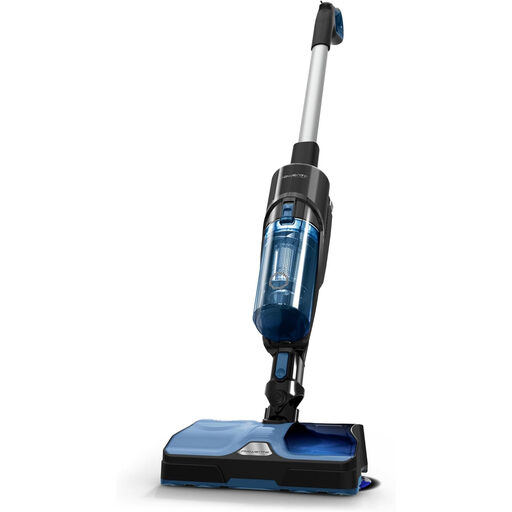
Why it's a good fit: Ideal for users looking for a straightforward and lightweight solution for daily hard floor maintenance. Weighing just 3.1 kg, this cordless vacuum mop is extremely handy and efficiently combines vacuuming with rotating mopping for quick, in-between cleans.
This device forgoes a complex self-cleaning station, instead relying on easy-to-swap, machine-washable mop pads. This prevents the odour build-up that occurs with poorly designed stations.
Its ultra-lightweight design and long battery life of up to 60 minutes make it a flexible tool for quick and effortless cord-free floor care.
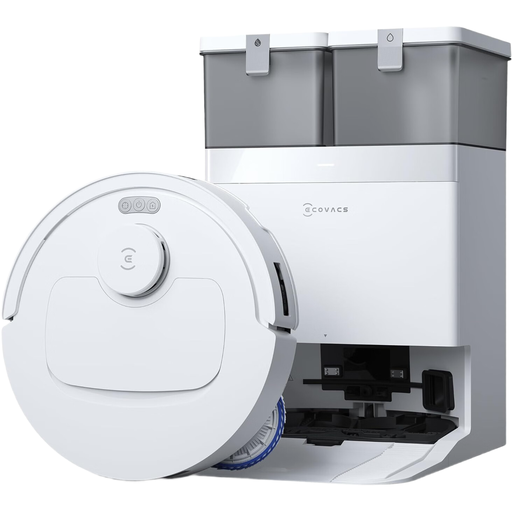
Why it's a good fit: This robot vacuum is designed for maximum autonomy and hygiene. It's an excellent choice for families with pets who are looking for a thorough and largely automated cleaning solution to reliably tackle pet hair and everyday dirt.
The ZeroTangle 3.0 technology actively combats hair tangling. The OMNI station washes the mops with 75°C hot water and then dries them with hot air, consistently avoiding the "self-cleaning trap" of odour and mould formation.
The combination of powerful suction (20,000 Pa according to the manufacturer), adaptive edge cleaning (TruEdge 2.0), and a fully automatic cleaning station delivers a high level of cleanliness with minimal manual intervention.
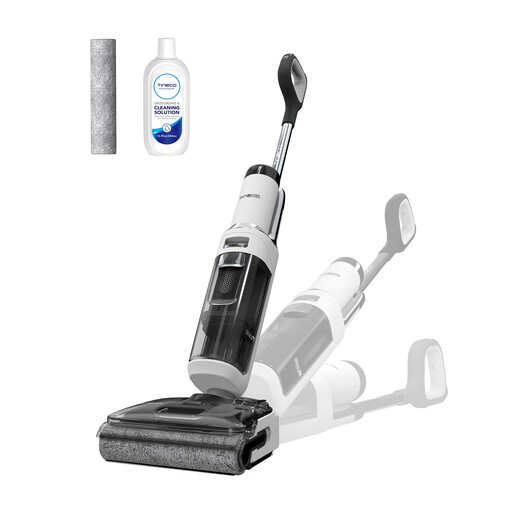
Why it's a good fit: This model is designed for homes with many hard-to-reach areas. If you're tired of your vacuum mop not fitting under the sofa or dresser, this offers a smart solution for a truly gap-free clean.
The 180° lay-flat design solves the problem of inaccessible areas under furniture (down to 13 cm in height). Additionally, the 3-sided edge cleaning ensures no dirt is left along baseboards—a direct counter to the pitfall of inadequate edge cleaning.
Its exceptional flexibility allows it to clean in places that are unreachable for most other stick and robot vacuums. The self-cleaning with 70°C hot water and drying is also a clear plus for hygiene.
We have compiled a complete, up-to-date list of products that fully meet these strict selection criteria and all relevant safety standards.
Most modern vacuum mops are designed for sealed hard floors like tile, vinyl, laminate, and sealed parquet. Caution is advised for unsealed wood, oiled, or waxed floors, as too much moisture can damage the material. Many devices offer special modes for delicate floors (e.g., "PARQUET Mode") that reduce water output. Always check the manufacturer's specifications for your specific flooring material.
Although a station significantly reduces daily effort, it is not completely maintenance-free. At regular intervals, you will need to:
The capacity of the tanks is a crucial factor. A typical cordless vacuum mop has a clean water tank of about 400-750 ml and a slightly smaller dirty water tank. This is usually enough to clean an area of 60-100 m?, depending on the set water level and the degree of soiling. For an average-sized home, this means the tanks will likely need to be emptied and refilled after each full cleaning session.