
Lieferung heute & morgen

Qualitätsgarantie

Willkommens-Angebote freischalten: KOSTENLOSE Lieferung | Bis zu 80 % RABATT | Kostenlose 30-Tage-JoyPlus-Testphase
App herunterladen
A vacuum cleaner with a mopping function can pick up dry dirt and damp-clean floors in one go. However, robot vacuum mops, cordless wet and dry vacuums and traditional mopping systems are very different. If you focus only on a high Pa rating or as many automatic features as possible, you could easily end up with a machine that isn’t right for your home.
Figures such as 25.000 Pa or 70 kPa describe the suction power stated by the manufacturer, but on their own they tell you little about the brush design, airflow, filter maintenance or how well the machine cleans corners. A vacuum cleaner with high suction power may have an advantage on carpets, while water control and contact with the floor are what matter most when mopping.
A robot vacuum and mop usually dampens rotating or pressure-applied mop pads. A cordless wet and dry vacuum, on the other hand, picks up dirty water through a roller. A cordless vacuum cleaner with a mopping function often has a separate water tank attached to the floor head. These systems aren’t interchangeable:
Depending on the model, a self-cleaning wet and dry vacuum rinses the roller and tubes. You’ll still need to empty, rinse and dry the dirty-water tank, filters, brushes and seals regularly. With a robot, you’ll also need to take the dust container, side brush, mop pads and docking station into account. If you overlook these ongoing costs and maintenance time, you may underestimate the effort involved.
For parquet, laminate and sealed wood, it’s important to be able to control the amount of water. The mop head shouldn’t release too much moisture continuously. For carpets, automatic mop lifting is useful, as it helps keep them dry during a combined cleaning cycle.
A hard floor cleaner is generally designed for sealed surfaces such as tiles, vinyl or treated wood. Follow the manufacturer’s guidance on suitable surfaces. Rough, unsealed or particularly delicate floors may not be suitable for wet cleaning.
With a cordless vacuum cleaner, it’s not just the maximum runtime that matters, but also how long it runs on the power setting you choose. Larger homes may benefit from a removable battery, a dust container of around 1.5 litres or more, or automatic emptying.
With wet and dry vacuums, the clean- and dirty-water tanks should be separate. This prevents dirty water from being spread over the floor again. For robot vacuums, mapping, obstacle detection, the height of thresholds and the size of the docking station also affect how practical they are for everyday use.
Pet hair often gets wrapped around rollers and side brushes. An anti-tangle design can reduce the amount of manual cleaning needed, but won’t eliminate maintenance altogether. For homes with pets, other important factors include an accessible brush roll, washable filters and readily available spare parts.
When using electrical appliances, follow the instruction manual, electrical safety information and the manufacturer’s guidance. Keep liquids away from the motor, charging station and electrical contacts.
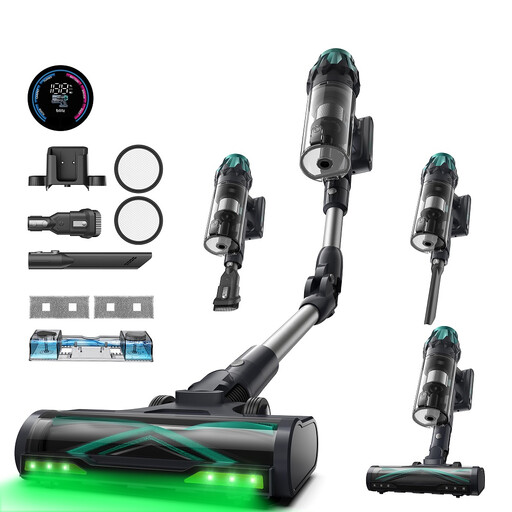
Why this product suits this type of user: This cordless vacuum cleaner combines dry vacuuming with optional mopping in one handheld appliance. It’s suited to homes where you want to clean specific areas as needed.
A runtime of up to 60 minutes, a removable water tank and an anti-tangle brush make its key features clear.
Three suction settings, a 1.5-litre dust container and a foldable tube for cleaning under low furniture.
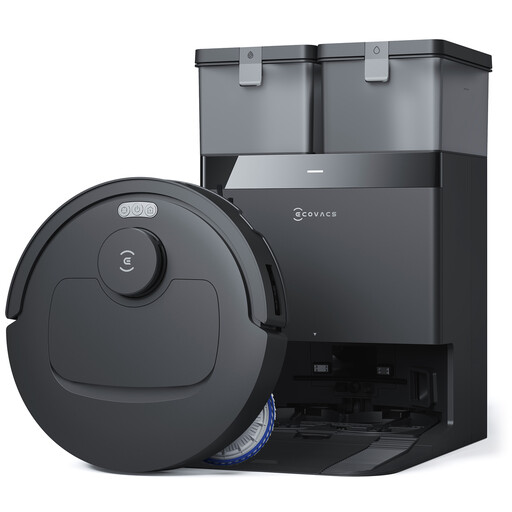
Why this product suits this type of user: This robot vacuum and mop handles scheduled cleaning routines and comes with a comprehensive docking station, making it a good fit for homes with several rooms.
Laser navigation, mop lifting on carpets and app-based room controls address common limitations of basic robot models.
According to the product specifications, it offers 25.000 Pa, up to 180 minutes of runtime, and a docking station with automatic dust emptying, 75-degree mop pad washing and warm-air drying.
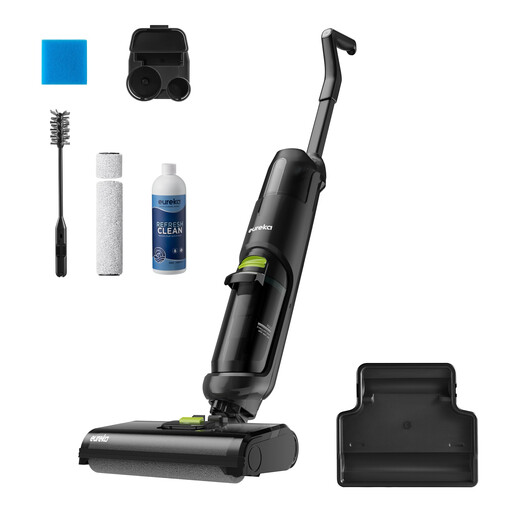
Why this product suits this type of user: This wet and dry vacuum is designed for sealed hard floors and picks up wet and dry messes directly.
The two-tank system keeps clean and dirty water separate. Its suitability for sealed hard floors is more clearly defined than that of appliances marketed as all-rounders.
Self-cleaning function, self-propelled movement and up to 30 minutes of cordless runtime.
We’ve put together a complete, regularly updated list of products that meet these strict selection criteria and fully comply with the safety regulations in force in the EU.
It depends on the appliance. A robot vacuum can often vacuum carpets dry and automatically lift its mop. A traditional wet and dry vacuum is generally designed for hard floors. Before buying, check the specifications for carpet detection, mop lifting and maximum moisture levels.
The runtime stated by the manufacturer often applies to a particular power setting. Higher suction power, carpets and the mopping function can all reduce the actual runtime. Removable batteries extend how long you can use the appliance, but may involve extra costs.
As well as electricity, you’ll need to budget for cleaning products, filters, brushes, mop rollers and dust bags. Before buying, check which spare parts are available and how often the manufacturer recommends cleaning. If the docking station empties automatically, remember to factor in the cost of compatible bags, too.