
Lieferung heute & morgen

Qualitätsgarantie

Willkommens-Angebote freischalten: KOSTENLOSE Lieferung | Bis zu 80 % RABATT | Kostenlose 30-Tage-JoyPlus-Testphase
App herunterladen
A vacuum mop promises to handle two chores—vacuuming and mopping—in a single step, saving valuable time on household chores. However, the market is filled with devices whose real-world performance often falls short of marketing promises. Before making a purchase, it's crucial to understand the common pitfalls that can lead to frustration and unnecessary expenses.
Many users report that their devices leave dirt behind despite high suction power ratings, or that the battery drains quickly under realistic usage. Three common flaws are particularly frustrating:
To avoid a bad buy, you should focus on objective technical parameters rather than advertising claims. Three criteria are crucial for the performance and longevity of a vacuum mop.
Suction power, often specified in Pascals (Pa), describes the vacuum pressure the device generates. While a higher Pa value is an indicator of stronger suction, it's not the only decisive factor. The design of the brush roll is just as important. For households with pets, a vacuum mop for pet hair with an anti-tangle brush is a smart feature, as it minimises the need to manually remove hair from the brush. Also, check whether the brush extends to the edge of the device head to ensure clean edge-to-edge cleaning.
Choosing the right type of device depends on your personal needs and living situation.
A hygienic cleaning result can only be achieved with a dual-tank system, where fresh and dirty water are kept strictly separate. The size of the tanks (specified in litres or millilitres) determines the area you can clean without interruption. An effective self-cleaning function should rinse the brush roll with fresh water in the station and ideally dry it to prevent odours and bacterial growth.
Instead of making a blanket recommendation, we have identified models tailored to specific user profiles that avoid the pitfalls mentioned earlier.
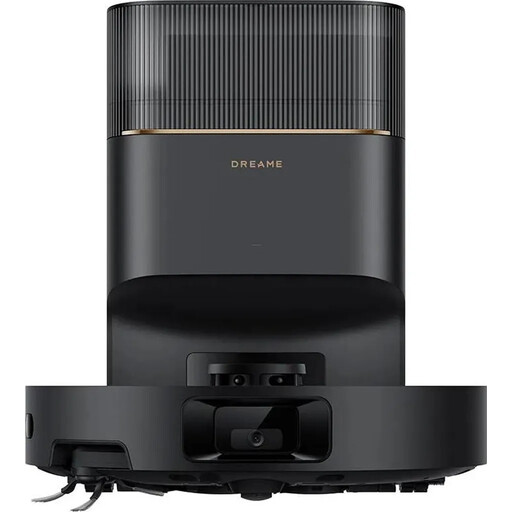
Why This Fits Their Persona: This model is designed as a robot vacuum with a mopping function for autonomous cleaning. It is suitable for users looking for a low-maintenance solution for large living spaces and the challenges posed by pet hair.
According to the manufacturer, the HyperStream Detangling DuoBrush is designed to prevent hair tangling. The base station, with its 5-litre dust bag, allows for automatic emptying for up to 150 days, minimising maintenance.
High suction power of up to 13,000 Pa (according to Dreame) to pick up dirt and pet hair. The 3D structured light obstacle avoidance helps reduce collisions with furniture and objects.
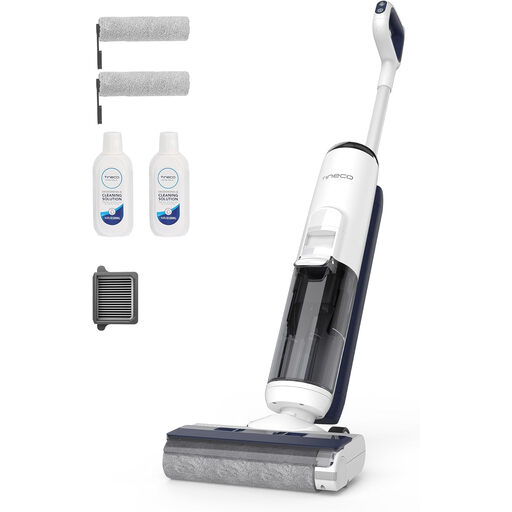
Why This Fits Their Persona: This cordless vacuum mop is a great choice for users seeking a straightforward and efficient solution for daily hard floor cleaning and who value ease of use.
The design is optimised for edge cleaning to reduce dirty borders along walls (with a gap of <0.5 cm, according to Tineco). The self-cleaning function in the station rinses the brush and tubing, simplifying manual maintenance.
Combines vacuuming and mopping in one step. Its low weight of 4.3 kg makes it easy to handle. The device comes with additional accessories like replacement brushes and cleaning solution.
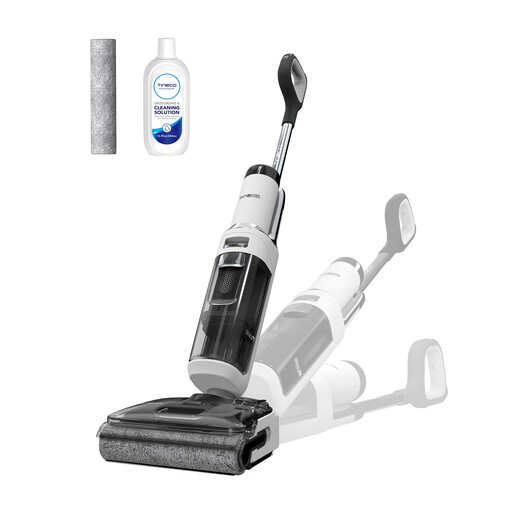
Why This Fits Their Persona: Ideal for tech-savvy users looking for a solution for hard-to-reach areas. Anyone who frequently needs to clean under sofas, beds, or cabinets will benefit from this model's special design.
The 180° lay-flat design allows for cleaning under furniture as low as 13 cm. The 3-sided edge cleaning addresses the problem of dirty edges on both sides of the cleaning head.
According to Tineco, the FlashDry self-cleaning uses 70°C hot water and then dries the brush to prevent odours. The battery life of up to 40 minutes is designed for cleaning larger apartments.
We have compiled a complete, up-to-date list of products that meet these strict selection criteria and German safety regulations.
1. Can a vacuum mop also clean carpets? Most vacuum mops are primarily designed as hard floor cleaners for sealed floors like parquet, laminate, tile, and vinyl. Some models have a special mode or brush for refreshing low-pile carpets, where the water supply is stopped. However, they are generally not suitable for deep cleaning carpets. Always check the manufacturer's specifications for the specific model.
2. How often do filters and brushes on a vacuum mop need to be replaced? The lifespan of consumables like filters and brush rolls varies depending on the manufacturer and frequency of use. As a general rule, it is recommended to replace HEPA filters every 3 to 6 months. Brush rolls are more durable but should be replaced when they show visible wear to maintain cleaning performance. Many manufacturers offer replacement part kits.
3. Is the self-cleaning function truly maintenance-free? No, a self-cleaning function is not completely maintenance-free. It significantly reduces effort by automatically rinsing the brush roll. However, the dirty water tank must be manually emptied and rinsed after each use to prevent odours. The station itself and the filters also require regular inspection and cleaning according to the user manual.