
Lieferung heute & morgen

Qualitätsgarantie

Willkommens-Angebote freischalten: KOSTENLOSE Lieferung | Bis zu 80 % RABATT | Kostenlose 30-Tage-JoyPlus-Testphase
App herunterladen
Reducing food waste, extending the freshness of your pantry staples, and making the most of bulk purchases are common goals in modern households. An effective way to achieve this is by vacuum sealing food. However, the key to success lies in choosing the right vacuum sealer bags. This guide provides objective criteria and a selection of products to simplify your decision and ensure your food is optimally protected.
The variety of vacuum sealer bags is vast. To make an informed decision, consider three essential aspects that determine functionality and safety.
The effectiveness of the vacuum sealing process largely depends on the bag's construction. Look for multi-layer films, typically made of Polyamide (PA) and Polyethylene (PE). This combination ensures high tear resistance and a reliable oxygen barrier.
A crucial feature is the film's texture. Most standard household vacuum sealers (known as external or suction sealers) require bags for vacuum sealers with an embossed or ribbed inner texture. These fine channels allow the machine to completely extract the air. Smooth bags generally only work with professional chamber vacuum sealers. Also, check if the bags are labeled as freezer-safe to effectively prevent freezer burn.
The choice between predefined bag sizes and a flexible vacuum sealer roll depends on your individual needs.
If you plan to cook food directly in the bag, heat resistance is a critical criterion. Not every vacuum bag is designed for high temperatures. For low-temperature cooking, you need special sous vide bags that are marked as boil-safe. Check the manufacturer's specifications for the maximum temperature rating to ensure no harmful substances leach into your food.
Based on functionality and use cases, we've curated a selection of products that cater to different needs.
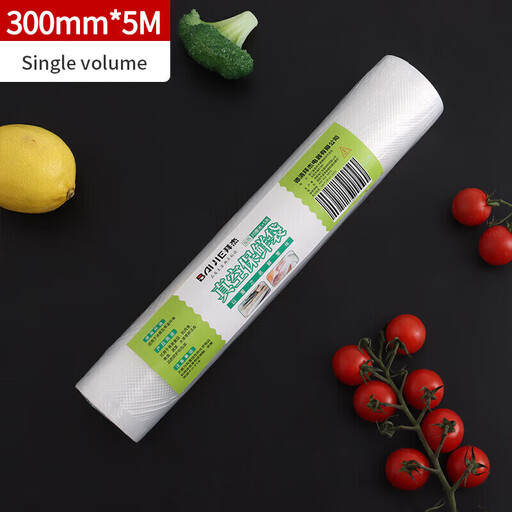
Why This Product Stands Out: This vacuum sealer roll offers great flexibility with its customizable length. With a width of 30 cm, it's suitable for a wide variety of foods, from smaller portions to larger cuts.
Benefits:
Who It's For: Households that regularly vacuum seal different-sized foods and value maximum flexibility and minimal film waste.
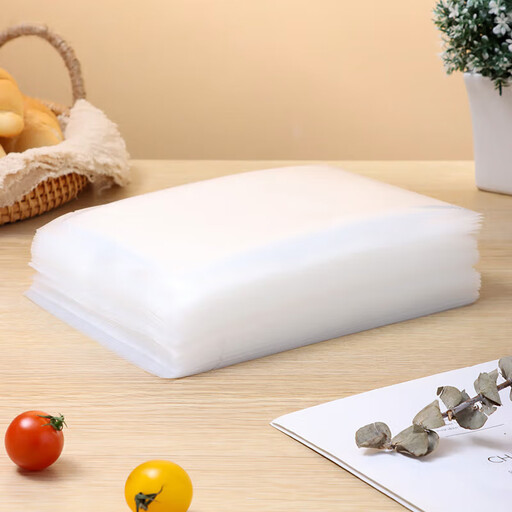
Why This Product Stands Out: This set of 50 pre-cut bags in a generous 30 x 40 cm size is designed for storing bulkier food items. The bags are ready to use, saving you the step of cutting and sealing one side.
Benefits:
Who It's For: Individuals who often process large quantities or bulky foods, such as hunters, anglers, gardeners, or families who buy in bulk.
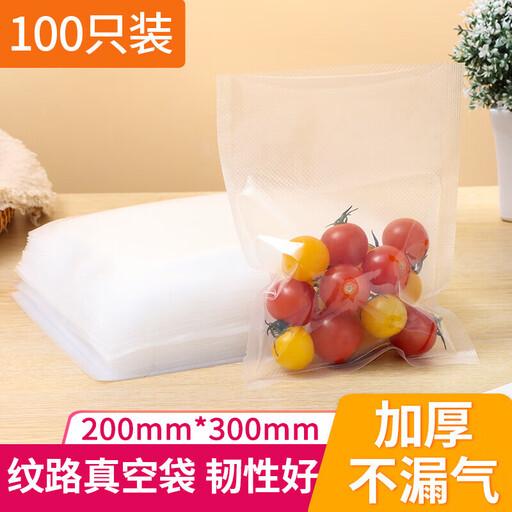
Why This Product Stands Out: With 100 bags in the standard 20 x 30 cm size, this package provides a solid supply for everyday use. The format is ideal for portioning meat, fish, vegetables, or for meal prepping.
Benefits:
Who It's For: Home cooks and meal preppers who regularly vacuum seal food in standard portions and appreciate having a convenient supply on hand.
Vacuum sealing is a key step in optimal food storage. To further improve the organization in your refrigerator, specialized organization systems are available.
If you're looking for more ways to store vegetables, fruits, and other fresh goods neatly and within easy reach, discover our selection of refrigerator vegetable organizers.
The reusability of vacuum sealer bags depends on what was previously stored in them. Bags that held dry foods like nuts or cereal can often be reused after a thorough cleaning. For bags that contained raw meat, fish, or greasy foods, reuse is not recommended for hygienic reasons, as it is difficult to completely remove all bacteria and grease residue.
Textured (also known as embossed or ribbed) vacuum sealer bags have a patterned inner surface. These fine air channels are essential for external vacuum sealers, which are common in most households, as they allow air to be suctioned out of the bag. Smooth bags lack this texture and are intended for use in chamber vacuum sealers, where the entire bag is placed inside a chamber to create the vacuum.
By removing oxygen, the growth of bacteria and mold is significantly slowed, which dramatically extends shelf life. The exact duration depends on the food and storage temperature. In the freezer, vacuum sealing can extend the shelf life of meat, for example, from about 6 months to 2–3 years, while also effectively protecting it from freezer burn. Cheese stored in the refrigerator will last for several weeks when vacuum-sealed, instead of just a few days.